

- Home
- All Recent Focus
20260325_Education 40_Transforming Higher Education
Transforming Higher Education: How AI Tutors Bridge the Gap Between Traditional Teaching and Personalised Learning
The landscape of higher education stands at a juncture where traditional teaching methods struggle to meet the diverse needs of modern students. At PolyU, Professor Haitian Lu from the School of Accounting and Finance is pioneering a transformative solution through AI-Tutor Agents that promise to address longstanding educational challenges while enhancing the learning experience for both students and educators.
After two decades of teaching experience, Prof Lu has identified fundamental pain points that plague conventional education systems. “In large classes, one-size-fits-all instruction fails to accommodate individual learning speeds,” Prof Lu explains. “Teachers spend too much time on administrative tasks, reducing opportunities for personalised instruction, while students often wait days or weeks for feedback, which significantly impacts their engagement and motivation.”
Addressing Student Pain Points Through Innovation
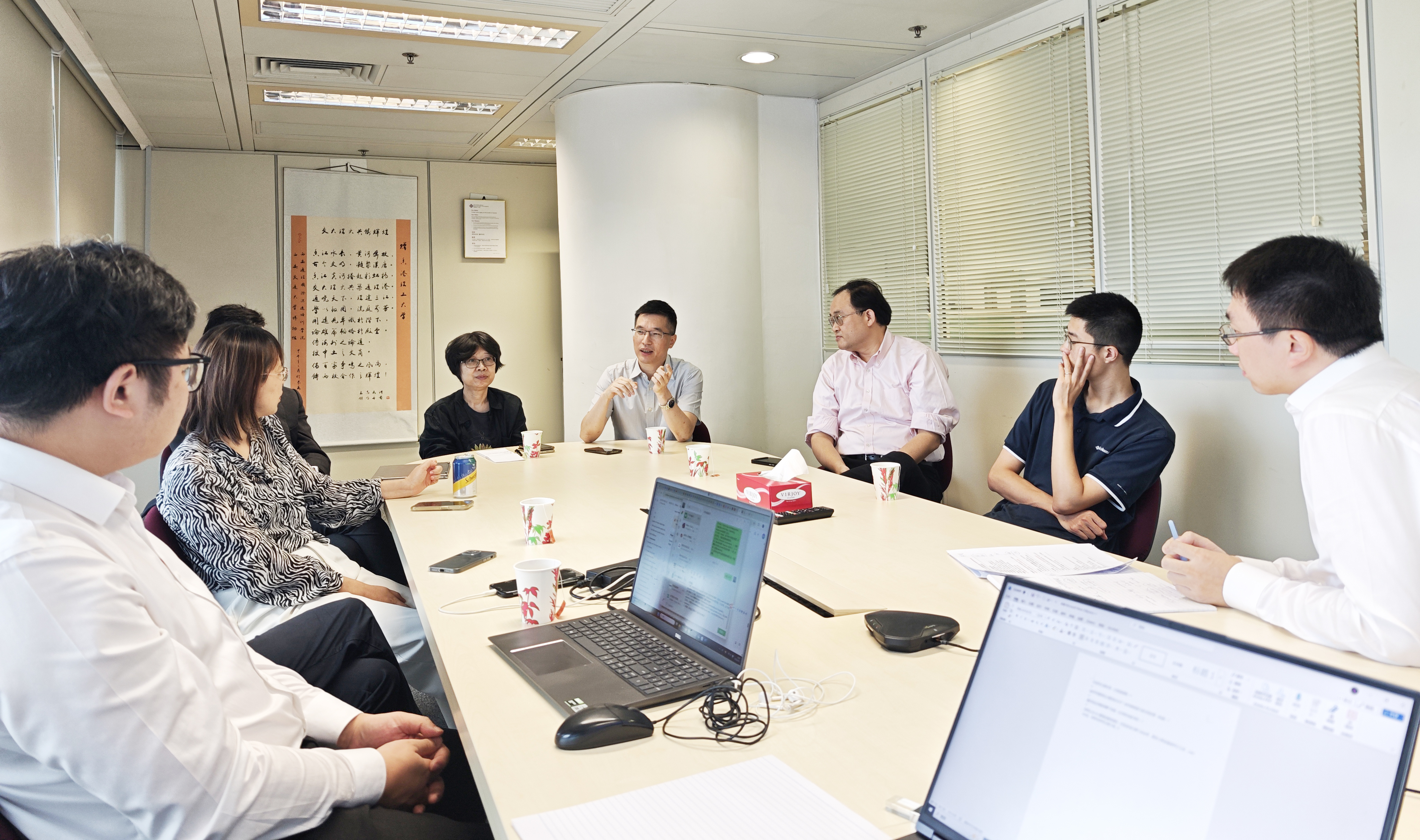 Recent research consistently demonstrates significant improvements in student performance through AI tutoring systems, with studies showing enhanced learning outcomes through personalised and adaptive mechanisms. Building on this foundation, Prof Lu’s team conducted extensive interviews with 55 PolyU students across various academic disciplines to understand local challenges. The survey revealed specific issues resonating with daily learning experiences: incomplete comprehension of key concepts, limited questioning opportunities during class, demand for instant clarification, and language barriers affecting 80% of Chinese Mainland students.
These findings highlight the urgent need for accessible, immediate academic support complementing traditional classroom instruction. Students frequently reported falling behind in understanding fundamental concepts, with many hesitant to approach professors after class due to time constraints or crowds of active students.
The AI-Tutor Agent Product Solution addresses these challenges through core features designed specifically for higher education contexts. First, the solution operates as a course-specific platform, trained exclusively on individual subject materials including syllabi, lecture slides, reading materials, past exam papers, and extended readings. This focused approach ensures responses remain relevant and aligned with specific course objectives.
Second, the solution provides intelligent question-answering capabilities with complete source traceability. When students ask questions, the AI-Tutor Agent provides accurate answers whilst tracing responses back to specific course materials, citing exact lecture slides, page numbers, or highlighted passages. This feature builds trust and enables independent verification.
Third, comprehensive analytics analyse student performance patterns and identify common weak points, providing valuable data for educators seeking to understand student struggles and adjust teaching strategies accordingly.
Proven Results Drive Cross-Faculty Adoption
Initial pilot testing demonstrated practical effectiveness. Over 80% of participating students reported satisfaction with the AI-Tutor Agent, highlighting accuracy and helpfulness in understanding difficult concepts. The solution’s 24/7 bilingual support proved particularly valuable for international students facing language barriers.T
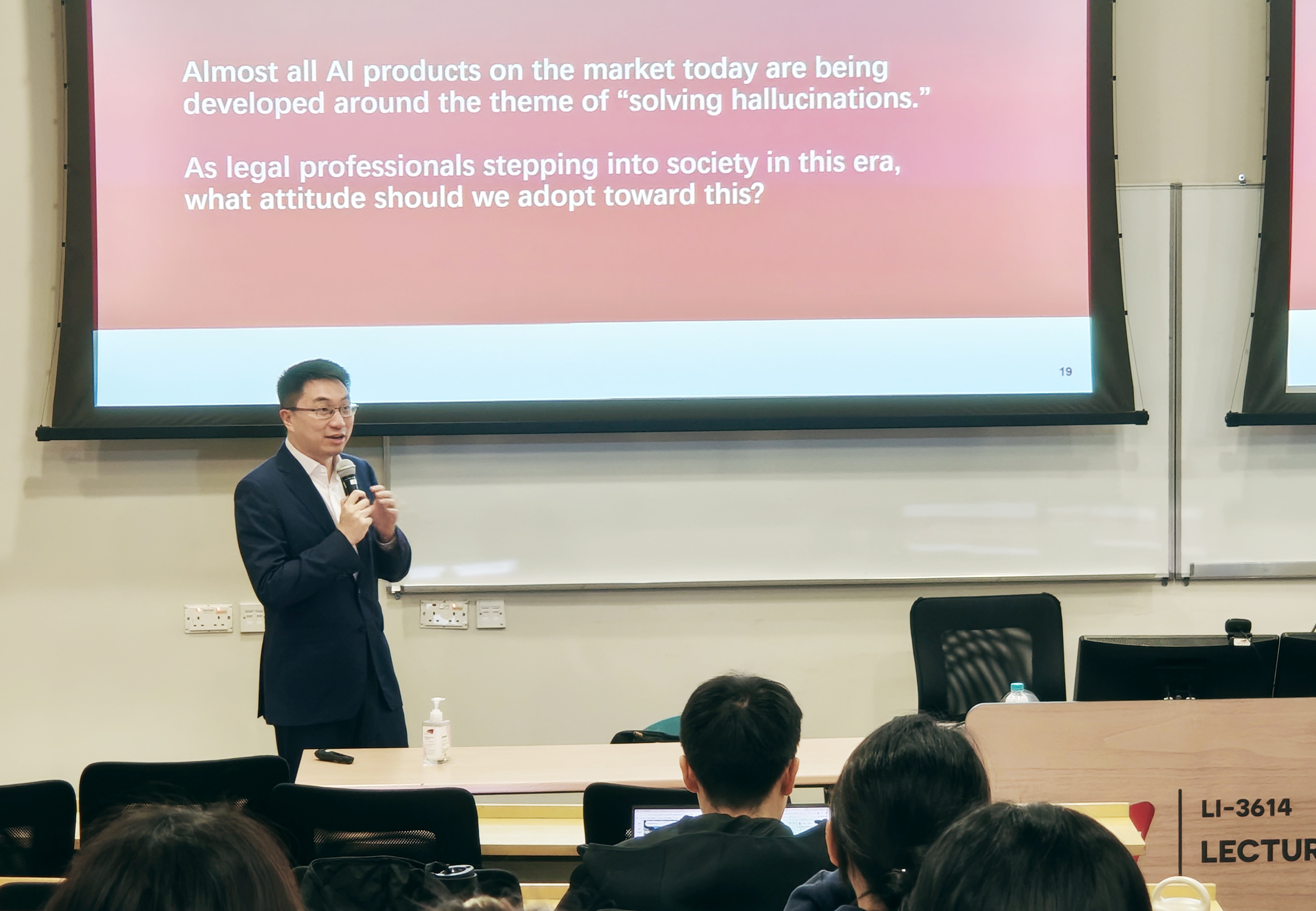 he success, recognised as Hong Kong’s first university AI tutor, prompted broader implementation plans. Prof Lu secured funding from the Teaching Development Grant in the Theme-based Projects category for a comprehensive two-year cross-faculty pilot programme at PolyU, designed to test effectiveness across diverse academic disciplines.
"We position educators as co-creators and assessors rather than passive technology adopters,” Prof Lu emphasises. “Staff members contribute by selecting pilot courses, providing teaching materials, clarifying course requirements, and participating in reviewing AI outputs through a human-in-the-loop approach.”
This collaborative process involves rigorous validation mechanisms where educators evaluate AI-generated answers alongside student questions and auto-generated queries. The goal establishes confidence levels where academic staff feel comfortable allowing AI tutors to answer student questions independently. Some professors reported that after reviewing 200 AI responses, they felt confident the solution could achieve B+ grade performance in their subjects.
The two-year pilot programme aims to complete studies across ten subjects initially, with expansion plans based on successful outcomes. The cross-faculty approach intentionally tests effectiveness across different academic domains, recognising that humanities solutions may require different approaches in science and engineering fields.
“True innovation lies in creating subject-specific knowledge databases scalable across university-wide implementation,” Prof Lu notes. “This approach establishes a paradigm where AI amplifies human teaching rather than replacing it, ensuring educational technology enhances rather than diminishes essential human elements.”
As higher education continues evolving in response to technological advancement and changing student needs, PolyU’s AI-Tutor Agent initiative represents a thoughtful, evidence-based approach to integrating artificial intelligence into academic environments. By focusing on collaboration, validation, and continuous improvement, this initiative offers a sustainable model for other institutions seeking to enhance educational outcomes through intelligent technology integration.
This article is part of PolyU’s Education 4.0 (E4.0) series, which showcases how the University is responding to rapid AI advancements and a changing educational landscape. Through E4.0, PolyU is transforming learning and teaching by integrating AI and smart technologies into a student-centred approach that fosters innovation, expands the use of educational technologies, and prepares students for the future.
