- Home
- Research
- Research Centres and Laboratories
- JC STEM Lab of Innovative Light Therapy for Eye Diseases
- Dry Eye
- Low-Level Light Therapy for Dry Eye
Low-Level Light Therapy for Dry Eye
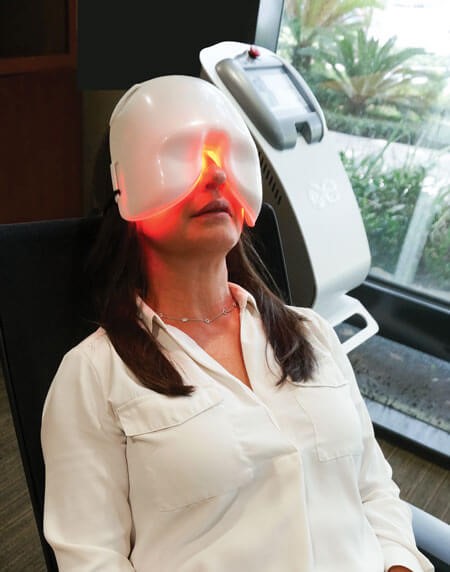
Introduction
Dry eye disease, a condition characterized by insufficient lubrication and comfort of the ocular surface, affects millions worldwide, causing discomfort and visual disturbances. The traditional approach to managing dry eye involves the use of artificial tears, ointments, and in severe cases, oral medications or surgical interventions. However, a revolutionary treatment is emerging from an unexpected source - the light therapy. This article delves into the clinical aspects, mechanisms, efficacy, safety, and availability of Low-Level Light Therapy (LLLT) for dry eye, providing clinicians with a comprehensive understanding of this innovative approach. (Fig 1. Dry eye disease)

Fig 1. Dry eye disease
(https://goldenvision2020.com/what-is-low-level-light-therapy-for-dry-eye/)
Mechanisms of LLLT
LLLT, also known as photobiomodulation, utilizes the power of specific light wavelengths to stimulate cellular processes and improve ocular surface health. The therapy is based on the principle that light energy absorbed by cellular chromophores can stimulate a series of photochemical reactions, leading to increased adenosine triphosphate (ATP) production and subsequent enhancement of cellular functions (1).
In the context of dry eye, LLLT targets the meibomian glands, which are responsible for producing the lipid layer of the tear film. These glands can become clogged or dysfunctional, leading to rapid tear evaporation and the symptoms associated with dry eye. LLLT has been shown to increase the temperature of the meibomian glands, effectively unclogging them and stimulating the release of lipids necessary for maintaining a healthy tear film (2).
Efficacy of LLLT
Clinical trials have demonstrated the efficacy of LLLT in improving dry eye symptoms. A study published in Ophthalmology Times reported significant improvements in tear break-up time, a key indicator of dry eye severity, in over 90% of patients treated with red light technology (3). Similarly, a prospective clinical trial detailed on Medical News Today showed substantial improvements in patient-reported dry eye symptoms and objective measures of tear film stability following LLLT (4).
These findings are echoed by numerous other studies and clinical practice reports, which suggest that LLLT not only provides short-term relief but may also offer long-lasting benefits. A review article on Dry Eye Care highlighted an 85% success rate in patients who received a single application of LLLT, with the majority experiencing noticeable improvements after just one session (5).
Safety of LLLT
One of the significant advantages of LLLT is its safety profile. As detailed on the Vision Center of Lake Norman website, LLLT is a non-invasive, pain-free procedure with minimal to no side effects, making it an appealing treatment option for patients (6). The use of low-level light energy minimizes the risk of thermal injury to the ocular surface, and the treatment sessions are short, typically lasting around 15 minutes.
Furthermore, LLLT does not require the use of any medications or invasive procedures, reducing the potential for adverse reactions or complications. The therapy is considered safe for adults and children, and it can be performed in a clinical setting, making it accessible to a wide range of patients.
Case Studies
Clinical case studies provide valuable insights into the real-world application of LLLT for dry eye. Healthline, for instance, presents a case where a patient with moderate to severe dry eye symptoms experienced significant relief following a series of LLLT sessions (7). The patient reported reduced eye irritation, improved comfort, and better contact lens tolerance after the treatment.
Availability
LLLT is increasingly becoming available to dry eye sufferers. Clinics and eye care centers across the United States, such as those mentioned on the Dry Eye Care and Vision Center of Lake Norman websites, are now offering LLLT as part of their dry eye treatment services (5)(6). The therapy is typically provided as part of a comprehensive dry eye management plan, which may include lifestyle modifications, dietary advice, and the use of artificial tears or ointments.
Conclusion
LLLT represents a significant advancement in the treatment of dry eye syndrome. Its mechanism of action, targeting the meibomian glands to improve tear film stability, offers a novel approach to managing this chronic condition. The efficacy of LLLT is supported by clinical trials and case studies, which demonstrate significant improvements in both symptoms and objective measures of ocular health. Moreover, the safety and non-invasive nature of LLLT make it an attractive option for patients seeking relief from dry eye discomfort.
As LLLT becomes more widely available, it is crucial for clinicians to understand its potential benefits and limitations. Incorporating LLLT into clinical practice may provide patients with a much-needed alternative or complement to traditional dry eye treatments, improving their quality of life and ocular comfort.
References
1. Lynch, D. P., & Carroll, L. P. (2020). Light therapy for dry eyes. Medical News Today. Retrieved from https://www.medicalnewstoday.com/articles/light-therapy-for-dry-eyes
2. Dry Eye Care.(2021). Low Level Light Treatment for Dry Eyes. Retrieved from https://www.dryeyecare.net/dry-eye-optometrist/dry-eye-treatments/intense-pulsed-light-therapy-ipl/low-level-light-treatment-for-dry-eyes/
3. Charters, L.(2020). Red light technology increases tear break-up time in dry eye patients. Ophthalmology Times. Retrieved from https://www.ophthalmologytimes.com/view/red-light-technology-increases-tear-break-time-dry-eye-patients
4. Medical News Today.(2020). Light therapy for dry eyes shows promise. Retrieved from https://www.medicalnewstoday.com/articles/light-therapy-for-dry-eyes
5. Dry Eye Care.(2021). Equinox Low Level Light Therapy. Retrieved from https://www.dryeyecare.net/dry-eye-optometrist/dry-eye-treatments/intense-pulsed-light-therapy-ipl/low-level-light-treatment-for-dry-eyes/
6. Vision Center of Lake Norman.(2022). Low Level Light Therapy treatment for dry eye. Retrieved from https://visioncenterlkn.com/dry-eye-mooresville/low-level-light-therapy-treatment-for-dry-eye/
7. Healthline.(2021). Low-level light therapy for dry eye: What to know. Retrieved from https://www.healthline.com/health/dry-eye/low-level-light-therapy-dry-eye#procedure