- Home
- Research
- Research Centres and Laboratories
- JC STEM Lab of Innovative Light Therapy for Eye Diseases
- Age-related Macular Degeneration
- For Patients
- Light Therapy for Age-Related Macular Degeneration
Light Therapy for Age-Related Macular Degeneration
(Title figure, https://www.alliedeye.com/blog/redlighttherapy)
Introduction
Age-related macular degeneration (AMD) is a leading cause of vision loss among people age 50 and older. This condition can progress to severe impairment, impacting daily life activities such as reading, driving, and even recognizing faces. The race against AMD has led scientists to explore innovative treatments, one of which is light therapy. But how does light therapy fit into the complex puzzle of AMD treatment, and does it hold promise for patients?
What is AMD?
AMD primarily affects the macula, the central part of the retina responsible for detailed central vision. It is characterized by the accumulation of drusen (yellow deposits) and thinning of the retina, which can eventually lead to the formation of new, abnormal blood vessels (wet AMD) or geographic atrophy (dry AMD). These changes result in a gradual or sudden decline in vision.
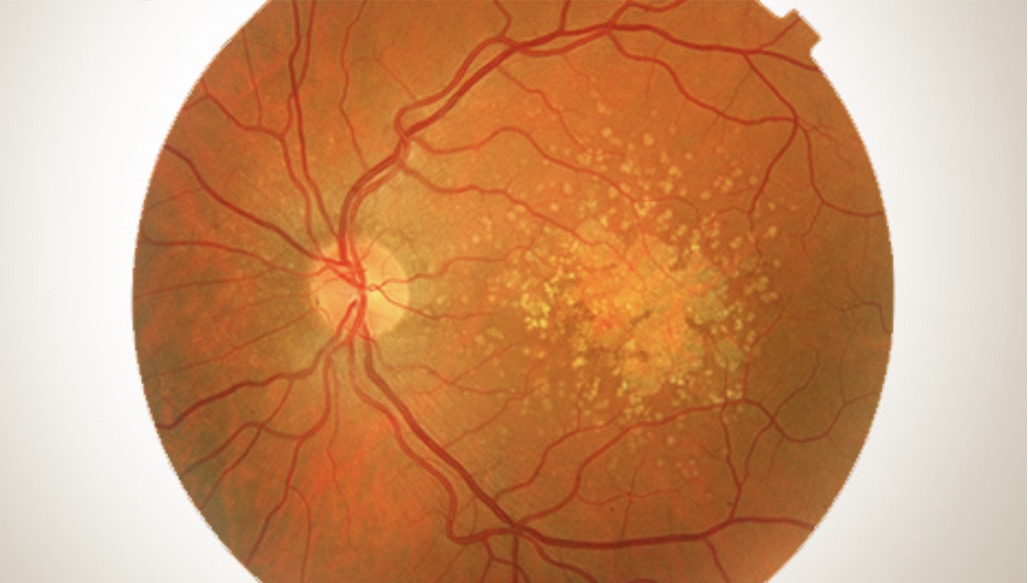
Fig.1 Age-related macular degeneration
(https://corkeyeclinic.ie/page/art/648/0)
Conventional Treatments: Photodynamic Therapy
Photodynamic therapy (PDT) is an established treatment for wet AMD, using a combination of a drug (verteporfin) and non-thermal laser light. Verteporfin, when activated by a specific wavelength of light, can help close off leaking blood vessels and reduce inflammation[1]. However, PDT is not a cure and may need to be repeated to maintain its benefits.

Fig.2 PDT for Wet AMD
(https://www.wkhs.com/health-resources/wk-health-library/medical-procedures-tests-care-and-management/a-z/photodynamic-therapy-%28pdt%29-for-wet-amd)
Emerging Hope: Photobiomodulation
Photobiomodulation (PBM) is a novel, non-invasive approach that uses light-emitting diodes (LEDs) or lasers to deliver red or near-infrared light. PBM targets the retina's mitochondria, enhancing ATP production, reducing oxidative stress, and promoting anti-inflammatory effects [2]. This therapy aims to slow the progression of AMD, particularly dry AMD, where treatment options are limited.
The Role of Red Light Therapy
Red light therapy, a subset of PBM, has gained attention for its potential to improve mitochondrial function and reduce oxidative stress in retinal cells[2]. A small study suggested that daily, brief exposure to deep red light (670 nm) could enhance color contrast sensitivity in elderly individuals with AMD[3]. The mechanism is thought to involve the "recharging" of mitochondria in retinal cells, similar to recharging a battery.
Clinical trials, such as the LIGHTSITE III study[4], have shown that multi-wavelength PBM can slow the progression of geographic atrophy in AMD. Although the effects were not drastic, patients receiving PBM experienced a significant reduction in the rate of disease progression compared to the control group.

Fig 3. Wavelengths of red light
(https://platinumtherapylights.com/blogs/news/red-vs-infrared-and-nir-light-therapy)
Safety and Precautions
While the prospects of light therapy are exciting, it is crucial for patients to understand the current status of research. Red light therapy is not yet an approved treatment for AMD, and the U.S. Food and Drug Administration has not evaluated its safety and efficacy[5]. Patients are advised to approach commercial devices with caution and consult with their eye care professionals before starting any new treatment.
Future of Light Therapy
The results from preliminary studies are promising, but more extensive research is required. Future studies should focus on determining optimal light wavelengths, dosages, and treatment durations. If proven effective through rigorous clinical trials, light therapy may become a mainstream, non-invasive treatment for AMD.
Conclusion
Light therapy, and specifically red light therapy, is an emerging area in AMD treatment. By targeting the root causes of AMD, it aims to slow or even reverse some of the vision loss associated with this disease. As research continues, patients and healthcare providers alike await the potential for a new treatment paradigm in managing AMD.
In conclusion, while AMD continues to pose a significant challenge to vision health, the advent of light therapy offers a promising avenue for treatment. As our understanding of its mechanisms and efficacy grows, the future may hold a ray of light for those affected by AMD.
References
1. "Photodynamic Therapy for Age-Related Macular Degeneration." Johns Hopkins Medicine. https://www.hopkinsmedicine.org/health/treatment-tests-and-therapies/photodynamic-therapy-for-agerelated-macular-degeneration
2. "What You Should Know About Using Red Light Therapy for Ocular Conditions." UCAnschutz. https://news.cuanschutz.edu/ophthalmology/what-you-should-know-about-using-red-light-therapy-for-ocular-conditions
3. "Does Red Light Protect Aging Eyes?" American Academy of Ophthalmology. https://www.aao.org/eye-health/news/red-light-protect-aging-eyes-rlt-pbm-near-infrared
4. "Are we a step closer to treating AMD with red light?" Macular Society. https://www.macularsociety.org/about/media/news/2023/september/are-we-a-step-closer-to-treating-amd-with-red-light/
5. "Red Light Therapy Could Improve Age-Related Vision Decline." Allied Eye. https://www.alliedeye.com/blog/redlighttherapy
6. "Red Light Therapy for Macular Degeneration: Does It Work?" Healthline. https://www.healthline.com/health/eye-health/red-light-therapy-for-macular-degeneration
7. "Red Light Therapy for Macular Degeneration." Medical News Today. https://www.medicalnewstoday.com/articles/red-light-therapy-for-macular-degeneration