Advancing National Priorities through Innovation, Education and Connection
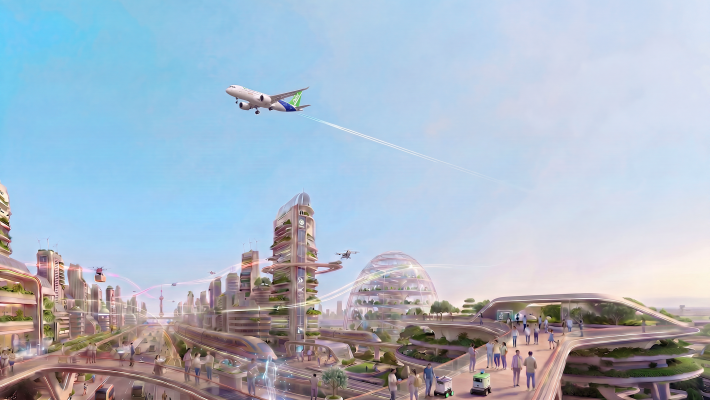
PolyU leverages its scholarly strengths and international standing to support the Nation’s academic and sci-tech ascent on the global stage.
In March 2026, China unveiled a new national blueprint that will shape how the country innovates, grows and competes over the coming years. The 15th Five-Year Plan is not just another policy document—it is a high-octane roadmap towards a "Beautiful China". Instead of just chasing raw growth numbers, the focus has shifted to high-quality development.
At the core of the Plan lies a powerful idea: the deep integration of education, science and technology, and talent development. Universities are called upon to become engines of innovation—linking research breakthroughs to industrial needs and cultivating people who can turn ideas into impact. This is where PolyU steps firmly into the spotlight—translating academic excellence into tangible national value, and linking international academia with China’s development priorities.
Reaching for the stars: aerospace and aviation innovations
China’s ambition to become a leading space power is one of the most visible expressions of its technological rise. The national aerospace roadmap aims to establish China as a space science power and to advance the development of a robust commercial space ecosystem.
For more than three decades, PolyU has been a trusted research partner in this journey. Perhaps the most iconic contribution came through the Chang’e lunar exploration programme. In collaboration with the China Academy of Space Technology (CAST), PolyU led the development of the Surface Sampling and Packing System for Chang’e 5, enabling China’s first lunar sample return in 2020. Four years later, the University once again played a crucial role in Chang’e 6, the world’s first mission to collect samples from the far side of the Moon—an unprecedented scientific achievement.
PolyU’s expertise also extended to China’s first Mars mission, Tianwen 1. From topographic mapping and landing site selection to advanced instrumentation, PolyU researchers contributed decisively to one of the most complex planetary missions China has ever undertaken.
In 2026, PolyU reached another milestone closer to home. Researchers from the Department of Aeronautical and Aviation Engineering (AAE) successfully developed and launched Hong Kong’s first low Earth orbit (LEO) communication navigation integrated satellite payload, known as LEO CNAV. Carried into orbit aboard the Yuxing 3 No.05 satellite from the Jiuquan Satellite Launch Centre in Gansu, the payload is now undergoing in orbit testing—marking a historic step for Hong Kong’s participation in satellite technology and space applications.
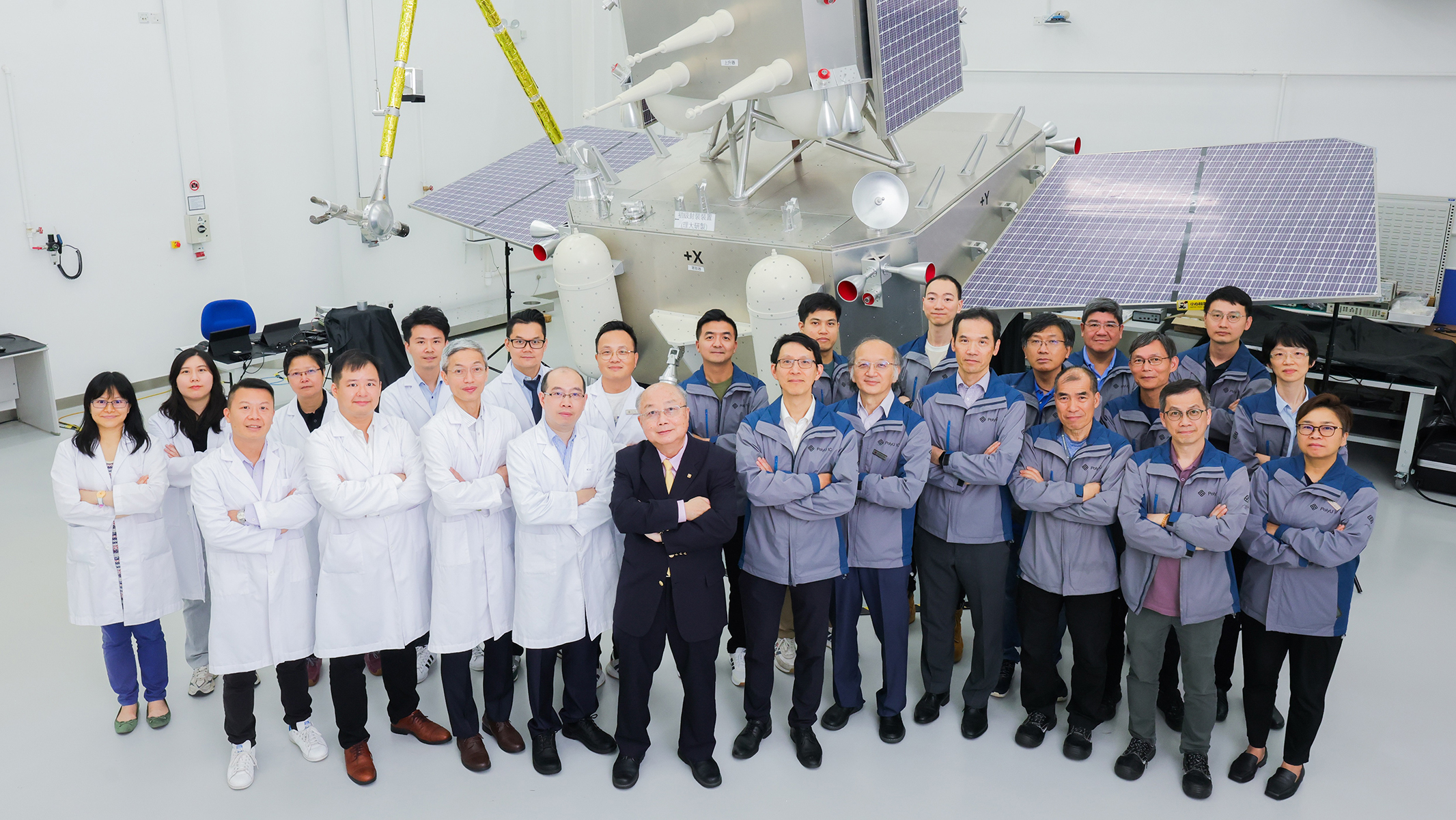
PolyU researchers and engineers have provided pivotal support for the Nation’s multiple space missions.
PolyU’s aerospace engagement goes beyond missions. As a major local partner of the Centre for Space Manufacturing Technology under the InnoHK research clusters, the University will contribute expertise in advanced manufacturing and materials science, supporting breakthroughs in space technology.
In April 2026, PolyU further strengthened Hong Kong’s role in the national aerospace ecosystem by co-hosting the China Space Conference "Flying to Deep Space" International Forum—the first such event held in Hong Kong. Bringing together national agencies, international experts and industry leaders, the forum fostered global exchange and strengthened the Greater Bay Area’s position in aerospace innovation.
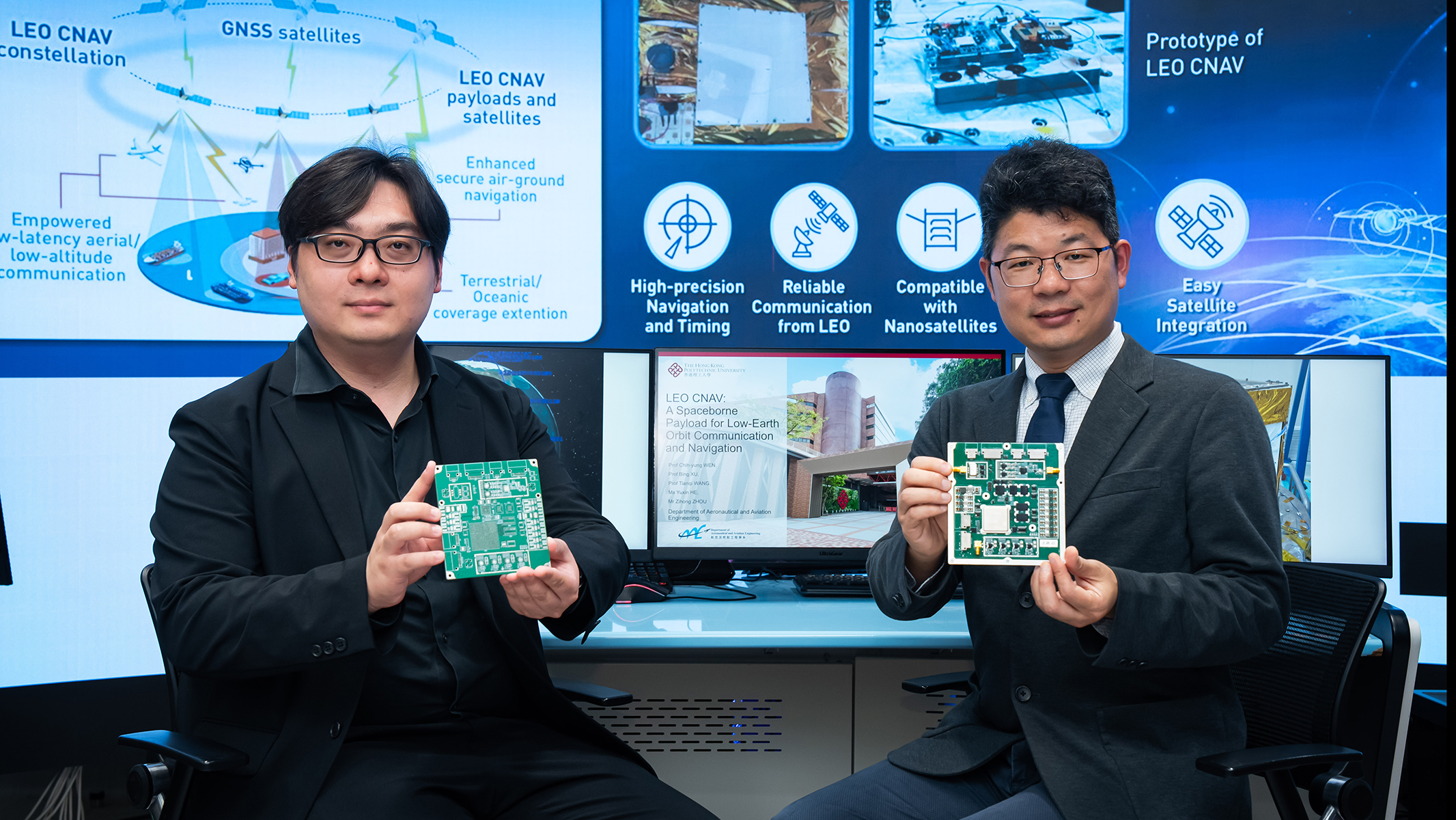
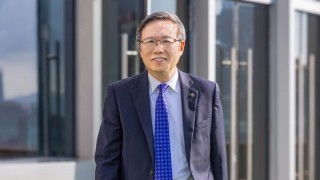
The “LEO CNAV” research team is led by Professor Wen Chih-yung, Chair Professor of Aeronautical Engineering of AAE. Professor Xu Bing, Assistant Professor (right) and Dr Wang Tianqi, Research Assistant Professor (left), serve respectively as the satellite payload designer and the person-in-charge of system integration and testing.
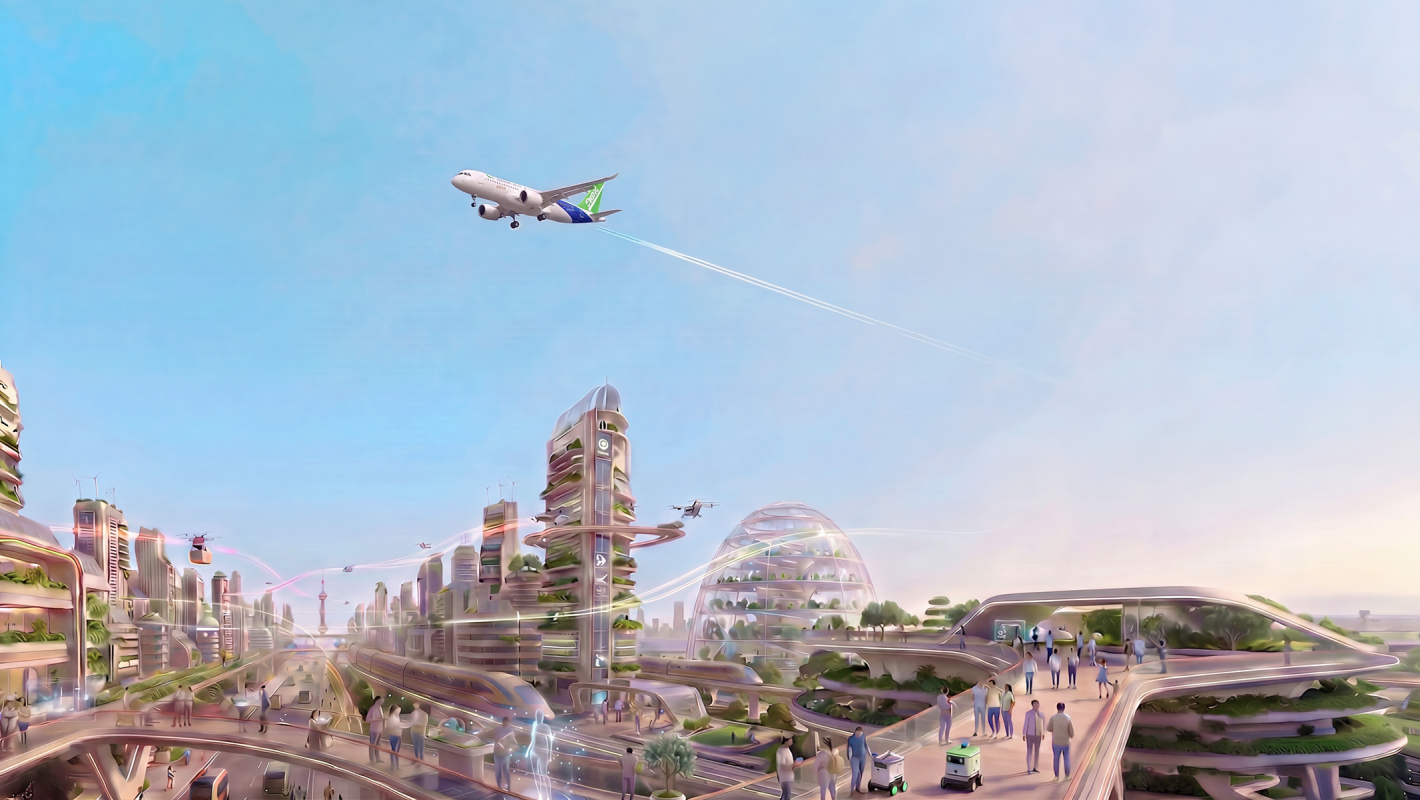
In aviation, PolyU is equally committed to serving national priorities. The COMAC-PolyU Research Institute for Large Aircraft, co-estabished in 2024 with the Commercial Aircraft Corporation of China (COMAC), supports innovation across aircraft design, digital engineering and advanced manufacturing—contributing to China’s goal of building world-class commercial aircraft.
To further its excellence in aerospace and aviation innovation, the University will establish the PolyU Aerospace Research Academy (PARA) this year. PARA will bring together interdisciplinary expertise with industry and international partners to advance frontier research, cultivate high level talent and accelerate technology transfer. Through close collaboration, PARA will enhance innovation capacity in civil aviation, space technology and advanced manufacturing, supporting national aerospace strategies and global competitiveness.
Artifificial Intelligence: From algorithms to applications
Artificial intelligence (AI) is a pillar of China’s digital transformation—and one where PolyU is moving at full speed.
Launched in 2025, the PolyU Academy for Artificial Intelligence (PAAI) serves as a new powerhouse for AI research and applications. Instead of focusing on generic tools alone, PAAI emphasises domain-specific AI models, embedding intelligence into fields such as healthcare, engineering and industry operations. In doing so, PolyU contributes to Hong Kong’s emergence as a hub for Generative AI and federated learning, while supporting the national AI strategy.
On the Chinese Mainland, PolyU’s AI engagement is both targeted and impactful. In Huizhou, the University partnered with the local government to establish the Artificial Intelligence Research Centre under the PolyU-Daya Bay Technology and Innovation Research Institute. The Centre leverages PolyU’s strengths in data science and intelligent algorithms to support Huizhou’s smart industrial transformation—deepening Hong Kong–Mainland technology integration.
Meanwhile, in Beijing’s Chaoyang District, PolyU’s Creative Technology Centre (Beijing) has become a focal point for industry–academia cooperation. Focusing on AI and the metaverse, the Centre supports talent development, student exchange, technology incubation and pilot application—accelerating the journey from laboratory research to market adoption. It also promotes global collaboration between Beijing and Hong Kong.
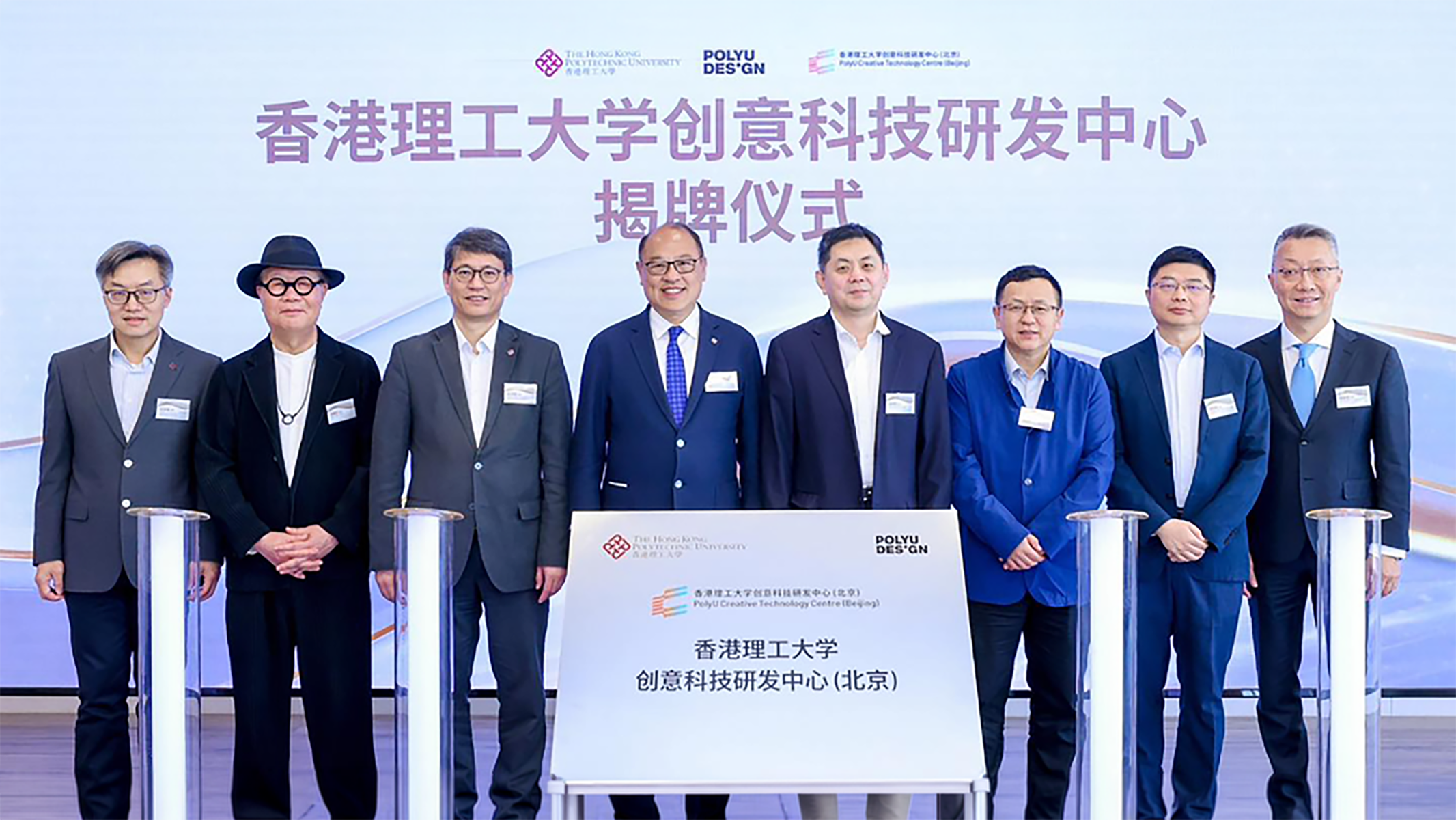
The unveiling ceremony for The PolyU Creative Technology Centre (Beijing) marks a major step forward in HK-Beijing collaboration across various aspects of creative technology.
Enabling the Low-Altitude Economy
China’s rapidly emerging low-altitude economy (LAE)—spanning drones, urban air mobility and autonomous systems—is another frontier where PolyU contributes impactful solutions.
PolyU researchers are advancing technologies that underpin LAE development, from Unmanned Aerial Vehicles communication systems and high precision positioning to next-generation wireless networks. In 2024, the University established the Research Centre for Low-Altitude Economy to advance interdisciplinary research that drives technological advancements in the field.
In October 2025, the University organised the International Low-Altitude Economy Summit, bringing together local, Chinese Mainland and overseas representatives from government, industry, academia and research sectors to exchange insights on LAE policy, innovation, industry development, and urban applications, while showcasing cutting-edge technologies.
A strategic partnership with China Tower Corporation exemplifies PolyU’s translational approach. By combining research strengths with real infrastructure, the collaboration accelerates innovation in LAE and next-generation networks while nurturing high calibre technology talent.
Recently, PolyU has taken this engagement a step further by launching a Joint Laboratory with Tianlu Flying-auto. Focused on electric vertical takeoff and landing aircraft, the lab targets applications such as high-rise firefighting and smart city logistics. Using Hong Kong’s Regulatory Sandbox, technologies are being tested across the city’s islands and dense skyline.
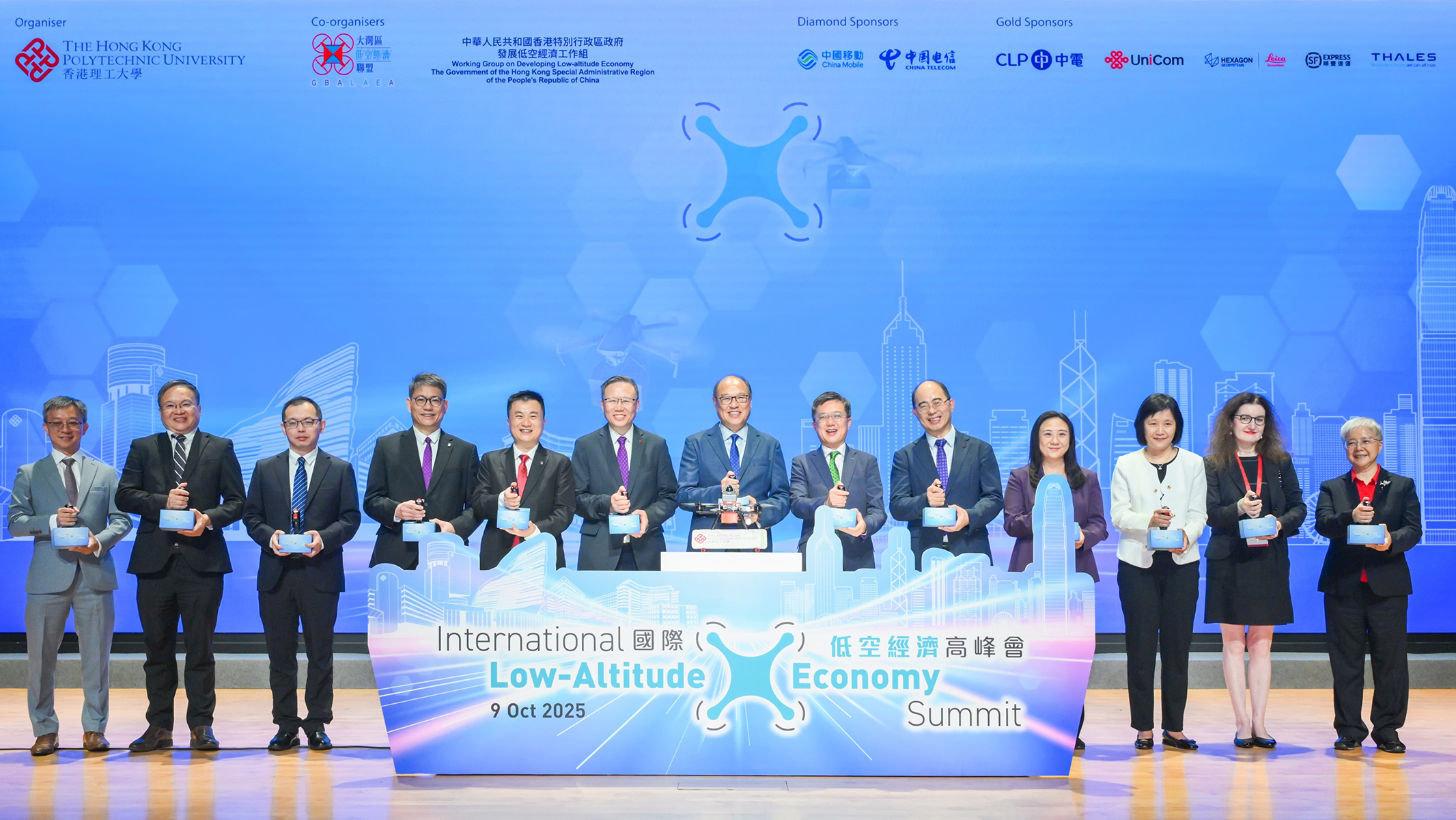
Addressing the International Low-Altitude Economy Summit, PolyU Council Chairman Dr Lam Tai-fai (centre) said PolyU will leverage its strengths in interdisciplinary research and education to help the entire Greater Bay Area seize the opportunities in the emerging field.
Transforming healthcare through medicine-engineering integration
Healthcare innovation is a central pillar of China’s long-term development strategy, particularly in response to an ageing population. PolyU contributes by translating engineering breakthroughs into clinical solutions through deep collaboration with leading Chinese Mainland institutions.
One of the most striking recent breakthroughs is PolyU’s all-acoustics brain–computer interface (BCI) system, offering a non-invasive approach to treating Parkinson’s disease and other neurological disorders. Using precise ultrasound neuromodulation, the system represents a new frontier in neurotechnology. Clinical research has begun in collaboration with Huashan Hospital in Shanghai and Zhujiang Hospital of Southern Medical University, linking PolyU’s engineering innovation with the Chinese Mainland’s clinical expertise to accelerate translation from research to therapy.
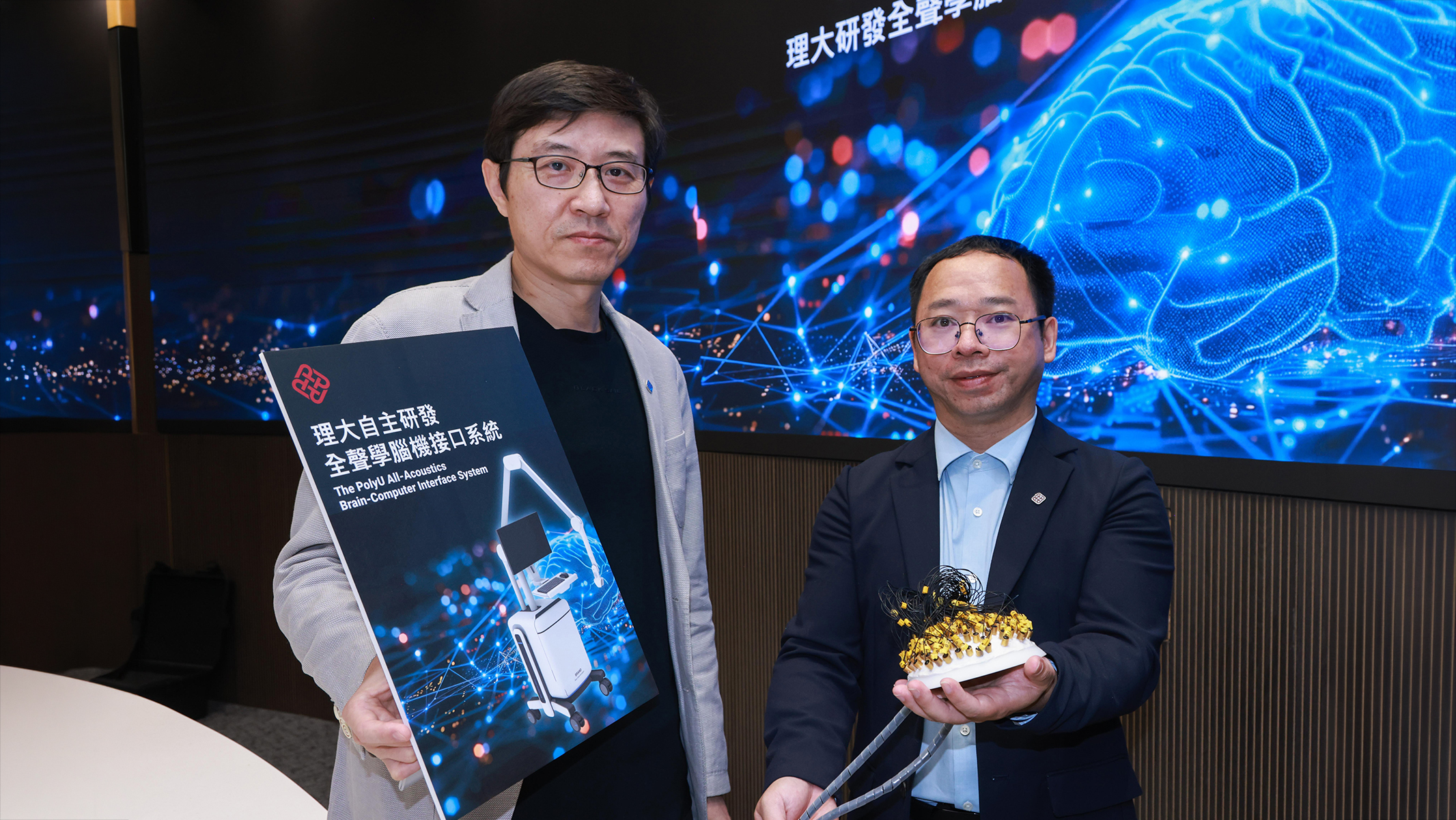
The All-Acoustics BCI System is developed by Professor Sun Lei (left), Professor of the Department of Biomedical Engineering and Director of the Research Centre for Non-invasive Brain Computer Interface at PolyU, and Professor Qiu Zhihai (right), a PhD graduate of the department. The System presents a promising new therapeutic approach for Parkinson’s disease.
Recently, PolyU has partnered with Qiangnao Technology to roll out an exciting programme to bring Qiangnao’s world-leading core technologies in intelligent bionic hands and bionic knee joints for the configuration and amputees’ use in Hong Kong, with the University providing local implementation, promotion, and scientific research support. The collaboration will drive the integration of scientific research and clinical application, facilitating the practical transformation of cutting-edge medical technology to tangible benefits for the disabled community.
Furthermore, PolyU’s partnerships with overseas institutions allow researchers in China to tap into global expertise, while helping PolyU contribute to the Nation’s ambitions in technology and health. With Stanford Medicine, PolyU has established the PolyU-Stanford Joint Collaboratory for Longitudinal Deep Omics to advance medical research. Discussions with the University of Toronto are paving the way for a new Joint Research Centre on Healthy Ageing and AgeTech to promote the development and application of gerontechnology, and enhance the quality of life and care for older adults.
Advancing Carbon Neutrality
The Nation’s Plan seeks to deepen the clean-energy transition by embedding climate and energy targets into national development. It aims to secure energy supply, support technological leadership, and guide China towards carbon peaking by 2030 and eventual carbon neutrality.
PolyU is actively supporting this vision through several initiatives. In partnership with the Hong Kong University of Science and Technology, PolyU launched the State Key Laboratory of Climate Resilience for Coastal Cities, focusing on early-warning systems, infrastructure resilience, and urban sustainability.
Specialised centres such as the Research Centre for Resources Engineering towards Carbon Neutrality, the Research Institute for Smart Energy, the Research Institute for Artificial Intelligence of Things, and the PolyU Research Centre for Intelligent GRID and Energy Technologies are developing green technologies and solutions. By harnessing interdisciplinary expertise, these units advance low-carbon materials, waste valorisation, smart energy systems, AI-driven efficiency, and resilient urban planning.
Together, PolyU’s efforts are making tangible contributions towards China’s strategic goals in climate action, clean energy innovation, and sustainable urban development.
Matching research excellence with industry needs
Beyond laboratories, PolyU has long believed that research excellence achieves its highest value when it meets real world needs.
PolyU’s collaboration with ANTA, China’s leading sportswear company, showcases how academic research can reshape everyday products. Through the PolyU–Jinjiang Technology and Innovation Research Institute, researchers work with ANTA on sports technology, textile science and intelligent wearables—strengthening China’s ambition to become a global sports powerhouse.
The collaboration extends into advanced robotics. At the PolyU-Nanjing Technology and Innovation Research Institute, PolyU joined forces with ANTA and Unitree Robotics to establish a Humanoid Robot Sports Science Joint Research Base. By using robots to simulate human movement, the partnership enables more precise sports equipment testing and performance analysis.
In June 2025, PolyU signed a strategic cooperation agreement with Huawei Cloud, focusing on AI driven innovation, technology commercialisation and startup incubation. Leveraging Huawei’s global cloud ecosystem, the partnership accelerates the deployment of PolyU’s research achievements worldwide, strengthens talent development and supports startups in expanding into overseas markets.
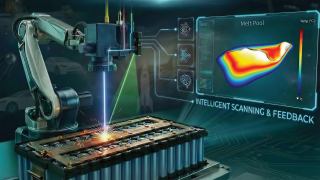
Sustainable mobility is another national priority—and one where PolyU’s materials science and engineering expertise plays a key role. In collaboration with Shanghai NIO, PolyU launched a joint initiative on next-generation electric vehicle battery technologies. A flagship project focuses on ultrathin, lightweight composite current collectors for lithium ion and future solid state batteries, aiming to improve energy density.
PolyU’s partnership with China Railway Electrification Engineering Group (CREEG) further demonstrates its research impact. A strategic cooperation agreement signed in 2025 led to the establishment of a joint research laboratory in Beijing, with an aim to establish a global hub for rail transit innovation and a model for industry-academic integration. Supporting China’s “Transportation Powerhouse” strategy, the collaboration also focuses on cultivating high calibre engineering talent.
Collectively, these partnerships show how PolyU connects research excellence with industry needs, turning technological trends into solutions that affect millions of people.
Linking learning, innovation and talent
Education remains the foundation of PolyU’s national engagement—but it is education designed for impact.
The Master of Technology Entrepreneurship (MTE) programme is a prime example. Aspiring tech leaders spend at least half of their studies at PolyU before undertaking immersive placements at one of PolyU’s Mainland Translational Research Institutes (MTRIs) across the country. There, academic learning meets marketing opportunities, preparing graduates to turn cutting-edge technologies into globally competitive startups.
Beyond entrepreneurship, PolyU is strengthening the research-talent pipeline through a growing network of Dual PhD Degree Programmes, which allow doctoral students to train under joint supervision and graduate with degrees from PolyU and partner universities. Recent agreements with leading Chinese Mainland universities, including the Beijing Institute of Technology and Shanghai Jiao Tong University, mark a significant step in nurturing high-level scientific talent aligned with national priorities, while maintaining strong global standards.
Complementing formal programmes is the International Future Challenge (IFC)—PolyU’s large scale innovation competition held across Hong Kong and Chinese Mainland cities. Integrating education, research translation, incubation and investment, the 2025 Challenge attracted over 700 teams worldwide. Winning teams gain access to funding pathways, pilot adoption opportunities and incubation at MTRIs—extending innovation beyond the campus.
Anchoring all these initiatives are PolyU’s MTRIs. Acting as regional innovation hubs, the MTRIs align PolyU’s research strengths with local industrial and societal needs, nurture startups emerging from the MTE and IFC, and serve as gateways for PolyU technologies to reach global markets. By proving success in China’s diverse and demanding environment, PolyU innovations are better positioned for international adoption.
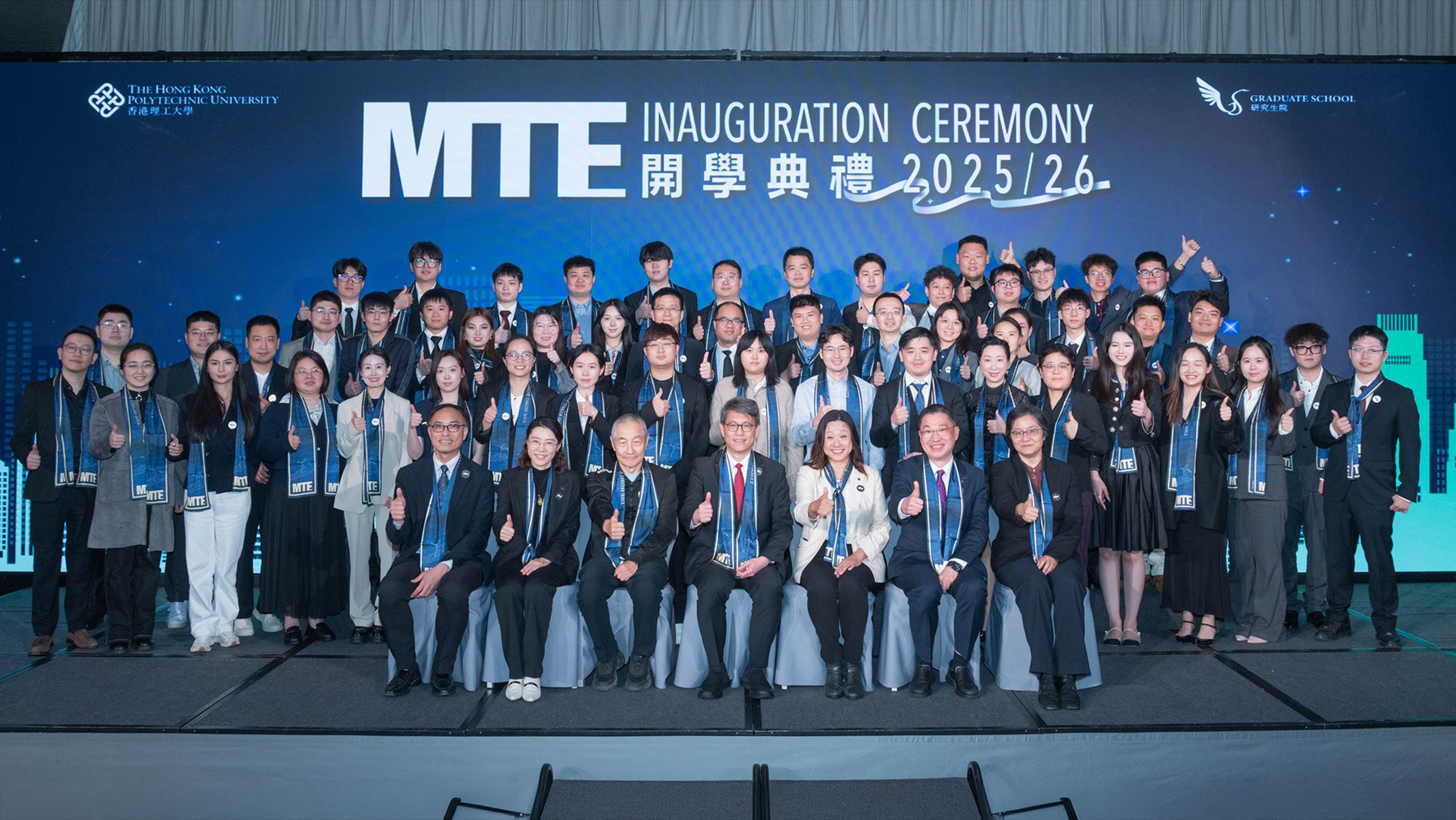
Through PolyU’s MTRIs established in major cities across the Chinese Mainland, the MTE programme enables students to implement entrepreneurial projects and transform innovative ideas and cutting-edge research into successful startups.
Connecting China with the world
In an increasingly interconnected world, PolyU plays a unique role in China’s journey towards greater academic internationalisation. Positioned at the crossroads of East and West, the University acts as a two‑way bridge—linking China’s researchers with world‑leading institutions, while helping global partners engage more closely with China’s dynamic innovation ecosystem.
Since the first official visit of the institution to renowned universities in the Chinese Mainland in 1978, PolyU has gradually developed strong links with the Nation, featuring a wide-reaching network of strategic importance. On this strong foundation, PolyU has helped shape international collaboration at a broader scale. It co-founded and leads several global alliances, including the International Strategic Technology Alliance, which links 31 renowned universities in China and the world in fostering applied R&D and technology transfer.
Along the Belt and Road (B&R), where China places growing emphasis on its innovation‑led development through academic exchange, joint research and talent cultivation, PolyU has established the Faculty of Business Belt and Road Centre, driving policy research, digital economy dialogue, and industry engagement. To foster exchange and collaboration among energy professionals and scholars, the University has been providing a global stage for the “Belt and Road Advanced Programme in Power and Energy” since 2018. It also offers funding and mobility schemes, including the PolyU B&R Network Initiative Scheme and K.C. Wong Visiting Fellowships to promote academic exchange.
Furthermore, PolyU helped initiate the founding of the University Social Responsibility Network (USRN), a global alliance of 24 leading universities, including Peking University and Sichuan University. Serving as the Chair of USRN’s Executive Committee and hosting its Secretariat, PolyU demonstrates leadership in steering societal impact in China as well as globally through research, student engagement, and capacity building.
PolyU has built one of Hong Kong’s strongest international academic networks. Today, the University works with more than 390 partner institutions across over 45 countries and regions, supported by over 600 international collaboration agreements.
Together, these efforts show how PolyU goes beyond traditional academic roles. By connecting research with industry, education with talent, and China with the world, the University is helping turn the aspirations of the 15th Five-Year Plan into tangible outcomes—supporting sustainable, innovation led development for the Nation and beyond.