Nurturing Tomorrow’s Interdisciplinary Visionaries
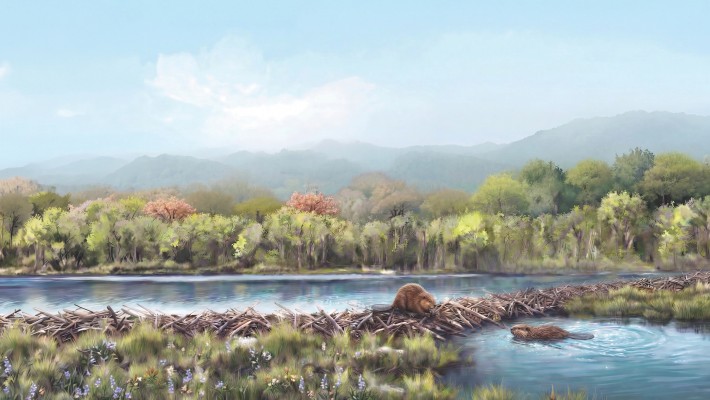
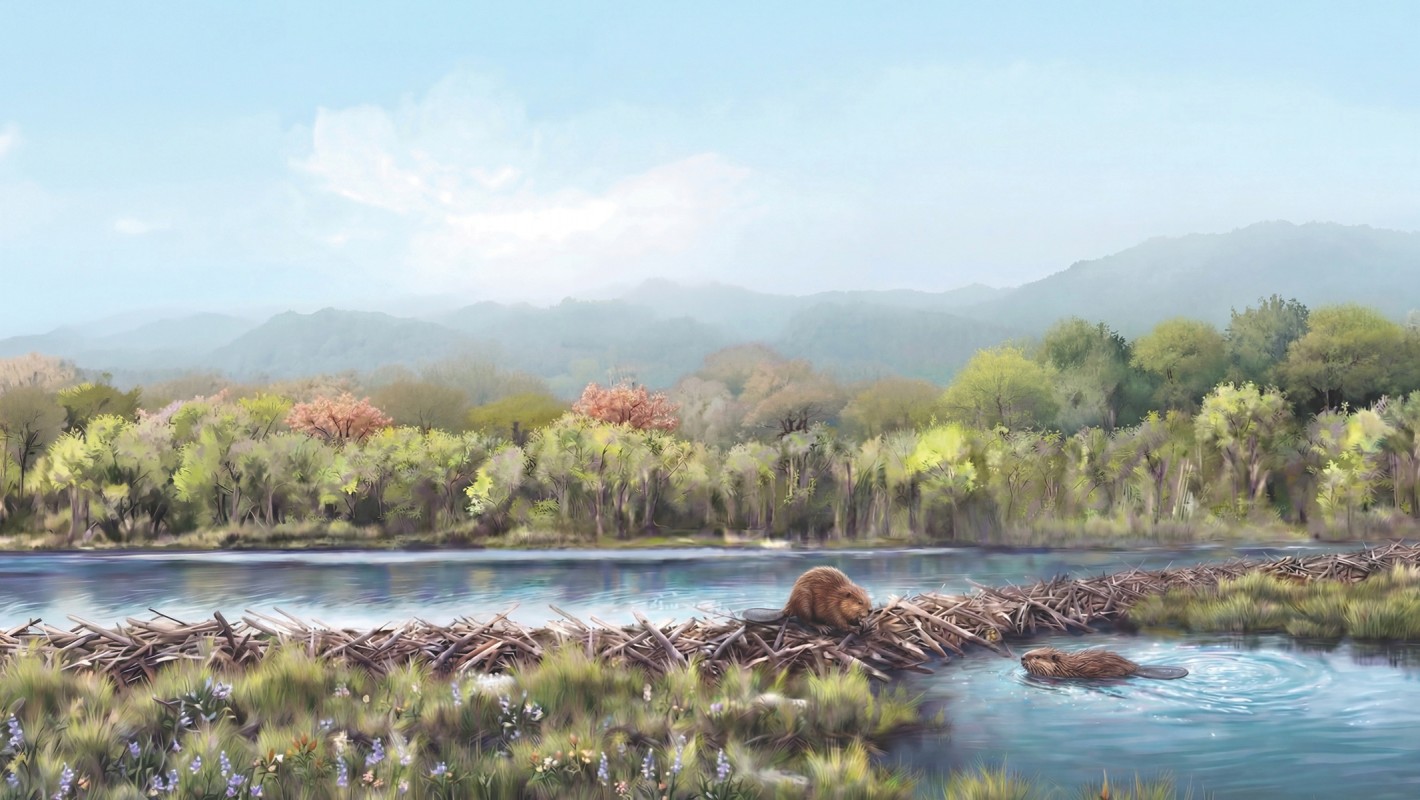
In the quiet corners of the natural world, a masterclass in professional versatility is unfolding. The beaver, often dismissed as a mere builder of dams, is in fact nature’s premier “interdisciplinary engineer”. By instinctively managing water flow, beavers create ponds that filter pollutants and establish vital habitats, making them the perfect mascot for interdisciplinary study.
This multi-hyphenate professional simultaneously serves as a hydrologist, architect, and project manager. Through niche construction, beavers transform simple streams into productive wetlands where entire ecosystems thrive. This mirrors the modern professional: a visionary who understands the whole pond, and creates value by connecting individual domains to improve the overall social ecosystem.
Nurturing “human beavers”
Professor Daniel Shek, Associate Vice President (Undergraduate Programme) and Dean of the College of Undergraduate Studies (CUS) at PolyU, believes the beaver story illustrates the importance of interdisciplinary education which PolyU is enthusiastically advocating. Flagship initiatives include the new Bachelor’s Degree Scheme in Interdisciplinary Studies (BDSIS), launched at the beginning of the 2025/26 academic year.
Professor Shek emphasises that, in an increasingly complex world, future leaders require more than just technical expertise; they need a robust toolkit of interdisciplinary knowledge and diverse skill sets. He notes that a deep understanding of human needs and aspirations is essential for navigating the challenges of tomorrow. Furthermore, as information and knowledge become easily accessible anywhere and anytime, self-learning skills are more critical than ever.
Equipping students with these self-learning capabilities is a core mission of PolyU’s Education 4.0 initiatives, ensuring graduates remain agile even as Generative AI disrupts traditional repetitive and whitecollar careers. The goal to nurture ‘human beavers’ has never been more important.
~ Professor Daniel Shek
BDSIS: A bespoke path for the global elite
The rise of advanced technology often creates ethical or social dilemmas that data or technical competence alone cannot solve, such as the life-and-death ethics governing self-driving car algorithm developments. Consequently, the BDSIS programme is designed to train future leaders who possess wisdom and judgement, rooted in a deep understanding of human behaviour and the social systems that sustain our world. Positioned as one of PolyU’s most prestigious and flexible programmes, it is reserved for top-performing students from both local and international backgrounds.
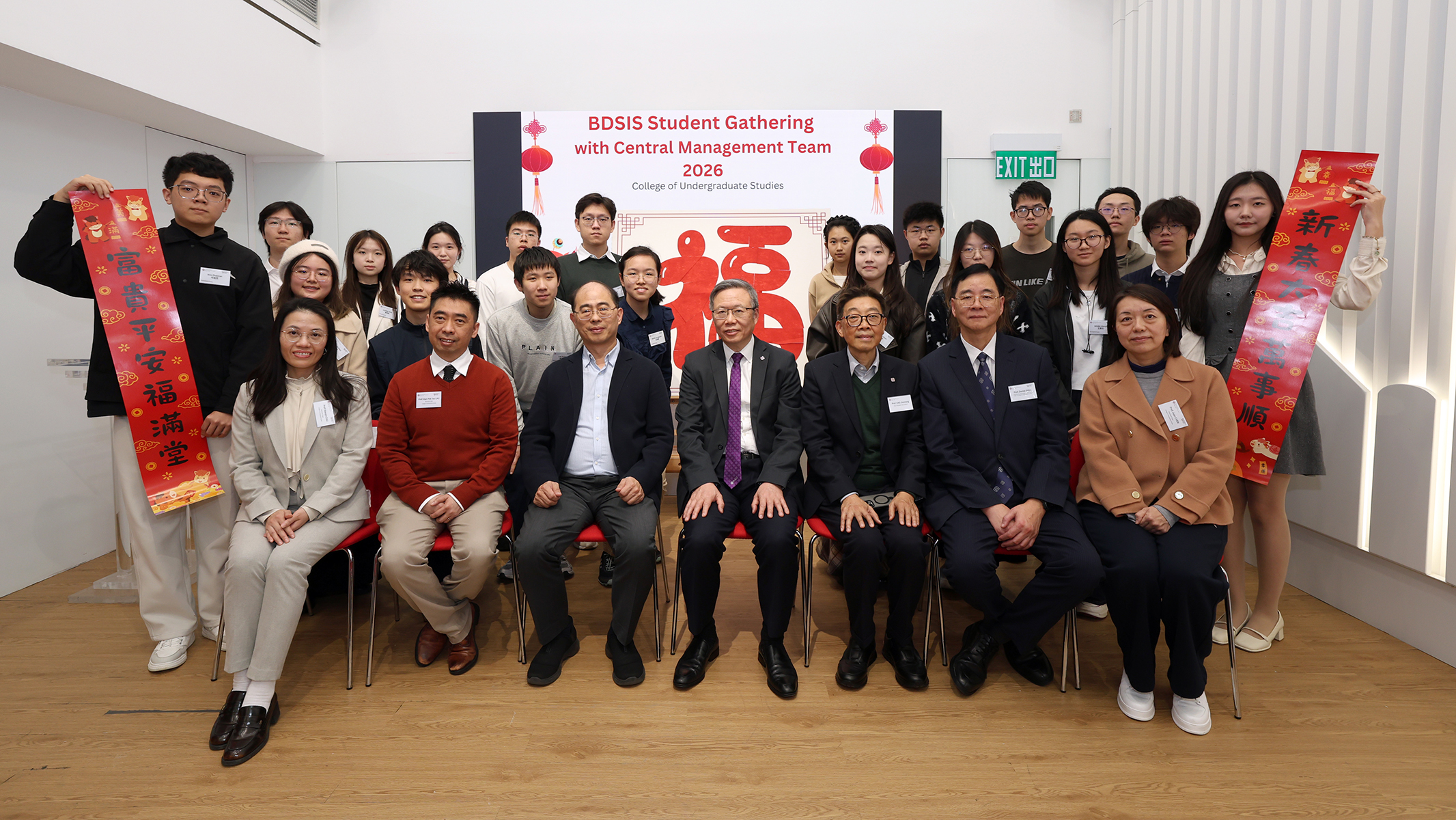
BDSIS students have the opportunities to meet with PolyU’s senior management regularly for guidance and care.
Professor Alan Lau, Associate Dean of CUS and Programme Leader of BDSIS, highlights the programme’s profound personalisation, noting that its uniqueness begins the moment a student joins the PolyU family. Rather than being ushered into a rigid, predefined major, students are met by specialised colleagues from CUS to engage in deep discussions regarding their aspirations.
These diagnostic sessions uncover what a student truly wants to achieve, allowing the University to help them co-create a bespoke, tailor-made curriculum. Current combinations chosen by the cohort range from integrating the technical rigour of artificial intelligence (AI) with the strategic depth of fintech, to interpreting the human-centric world of hospitality through the lens of psychology and personal behaviours.
To ensure these elite students reach their full potential, each individual is assigned a Personal Academic Mentor—typically an accomplished senior professor or a renowned scholar. This one-on-one guidance is supplemented by regular, direct communications with PolyU’s senior management, including the President and Vice Presidents.
The programme’s resources go significantly beyond standard offerings, including two years of guaranteed on-campus residential housing and participation in the Undergraduate Research and Innovation Scheme (URIS). A prestigious initiative, URIS aims to nurture the next generation of intellectuals by providing funding and support for high-level research, and effectively placing BDSIS students at the frontier of academic inquiry from day one. This vision has already attracted a vibrant, international cohort, with top-tier applications from Chinese Mainland, Romania and Canada.
The journey of He Xiaoxian, a student from Zhejiang, reflects this purpose-driven model of education. Initially attracted by the freedom to explore, Xiaoxian has learned to treat applied mathematics, physics, engineering, and design as an integrated system. Under the guidance of Professor Shek, she has transitioned from merely learning subjects to understanding the meaning of “knowledge transfer”, applying chemical engineering to waste management, and using computational models to simulate social behaviour. She recalls from her mentorship sessions that good research should lead to a change in one’s way of thinking, highlighting the programme’s success in fostering a truly interdisciplinary mindset.
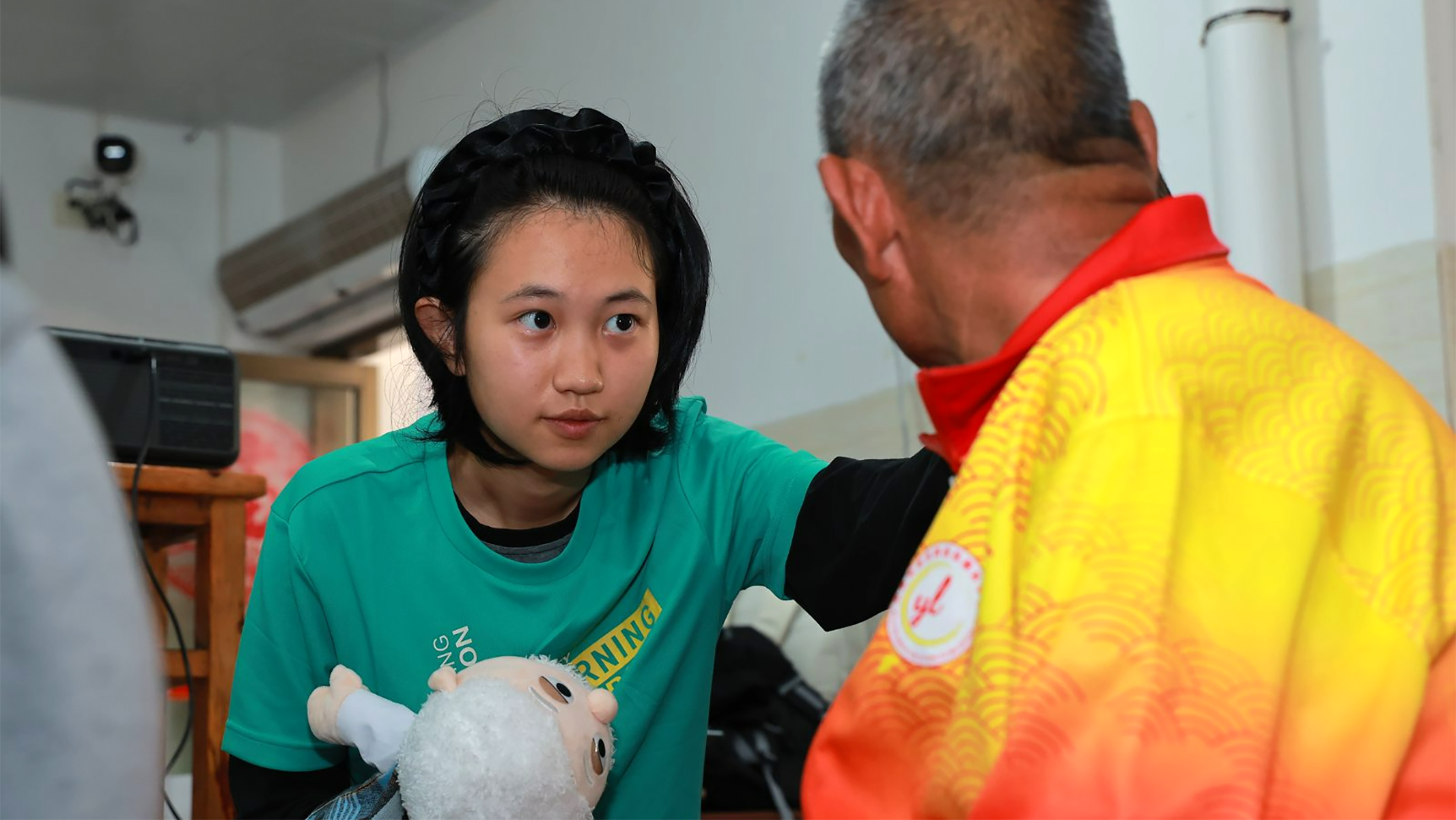
Xiaoxian collected personal stories from local elders in Yunnan, and created digital avatars to preserve their precious memories.
Architecture: The interdisciplinary design of the future
While BDSIS fosters broad systemic thinking, the Architectural Studies Programme applies this interdisciplinary rigour to the physical world. The new Department of Architecture, scheduled for launch on 1 July 2026, will be the final piece of the puzzle. Sitting within the Faculty of Construction and Environment, it will join other building and real estate-related departments to provide a holistic view of the built environment.
Professor Tris Kee, Associate Professor and Programme Leader for Architectural Studies, emphasises that under PolyU's approach, students This ensures that students do not view buildings solely as artistic statements; they learn that a structure must be both aesthetically pleasing and functional for real-world use.
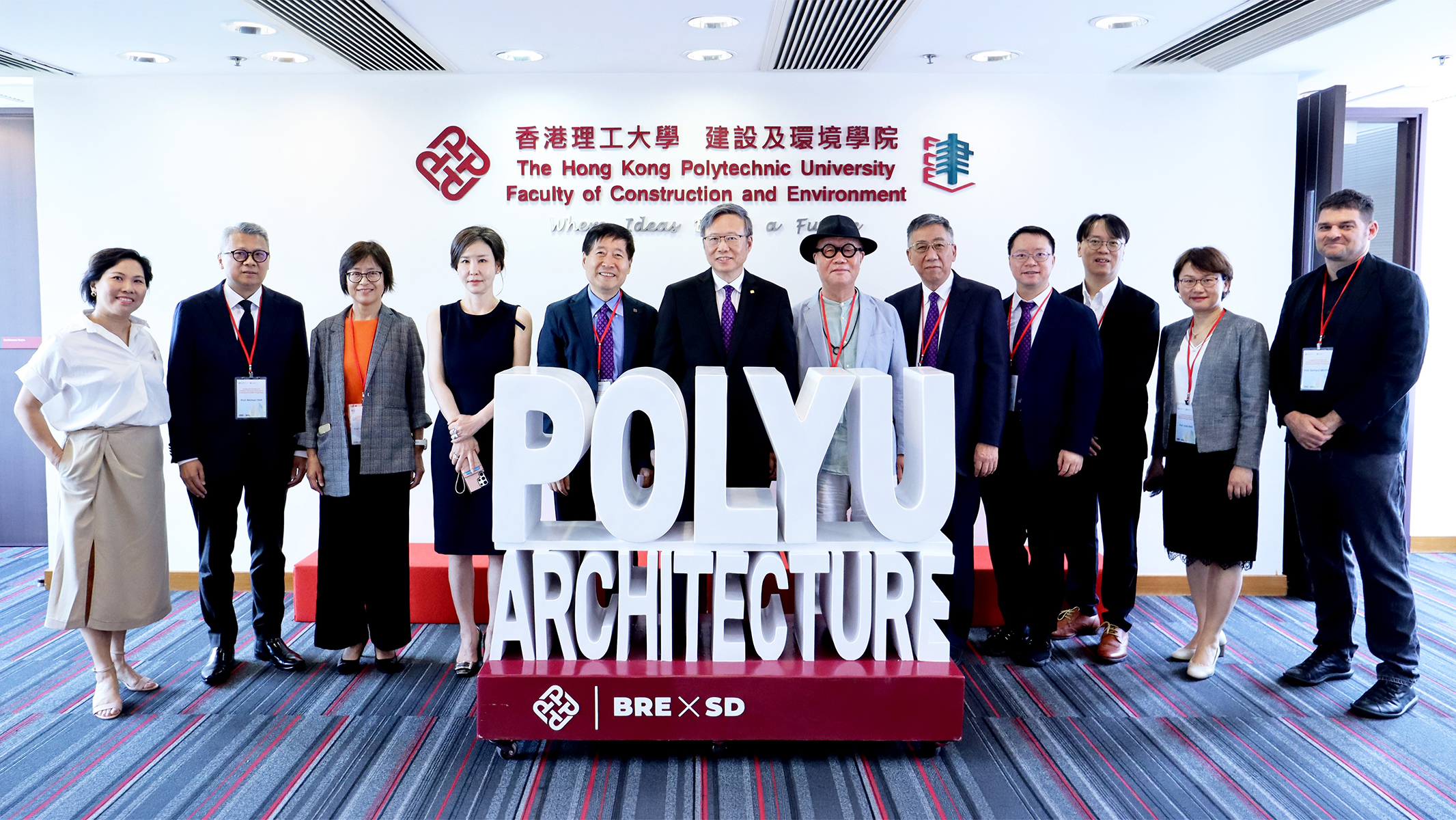
The new interdisciplinary programmes of architectural studies will adopt advanced technologies and innovation to cultivate students’ critical thinking and a research spirit in architectural design.
Crucially, this interdisciplinary teaching ensures that graduates are not limited to traditional roles, but are equipped to become curators, stage designers, or digital space strategists. The curriculum treats architecture as high-level training in problem-solving, rather than just another discipline that involves drawing.
Under the banner of PolyU Education 4.0, the programme has deeply integrated AI as a creative partner across five different levels. They range from sparking conceptual inspiration and automating repetitive parameters to accelerating visualisation work, providing faster feedback, and navigating the digital ethics of creation. Professor Kee added, “By delegating minor, repetitive tasks to AI, students are freed to engage in the complex critical thinking that the modern world demands, effectively propelling our learning and teaching to the next higher level.”
In a testament to its innovation, PolyU is already planning new programmes integrating AI and Architecture as a direct response to the pulse of the industry. This forward-looking focus has sparked a 125% increase in undergraduate applications for the upcoming academic year, attracting bright minds from Kazakhstan, Belarus, Myanmar, Indonesia, and India.
For international student Annabelle Wibowo from Indonesia, the programme is the perfect bridge between mathematical logic and artistic imagination. She explains that students can acquire both technical knowledge and aesthetics from the programme. This experience is bolstered by interactions with professionals at the Hong Kong Shenzhen Bi-City Biennale of Urbanism\Architecture (UABB).
Similarly, local student and dedicated urban sketcher Yolanda Tam echoes the sentiment that architecture is about solving human problems. While she embraces cutting-edge tools like AR/VR and Building Information Modeling, she remains a staunch advocate for the “hand-made”, noting that building physical models helps students truly understand structure and stability in ways digital tools alone cannot.
During their first year, study trips to Guangzhou and Zhongshan deepened students’ appreciation for the social responsibilities of the architect. These experiences reinforced the principle that great design must be both functional and responsive to the community it serves.
Shaping a more thoughtful world
The common thread running through BDSIS and the new Department of Architecture is the belief that the most pressing problems of our time cannot be solved by one discipline alone. Whether it is an interdisciplinary student using computational models to simulate behaviour, or an architecture student designing a functional, techenhanced pavilion, PolyU is training a generation that is not constrained by traditional boundaries.
By fostering an interdisciplinary environment fuelled by AI and digital transformation, PolyU nurtures a generation of ecosystem engineers. Beyond simply building the digital and physical systems of tomorrow, these individuals are trained to look through a broader lens, ensuring they have the foresight to understand how every innovation impacts the equilibrium of the whole pond.
As the University prepares for continued innovation in pedagogy, it remains committed to the idea that innovation is born at the crossroads of different fields. In other words, it is ensuring that PolyU graduates lead the way in shaping a more resilient, innovative, and human-centric future.
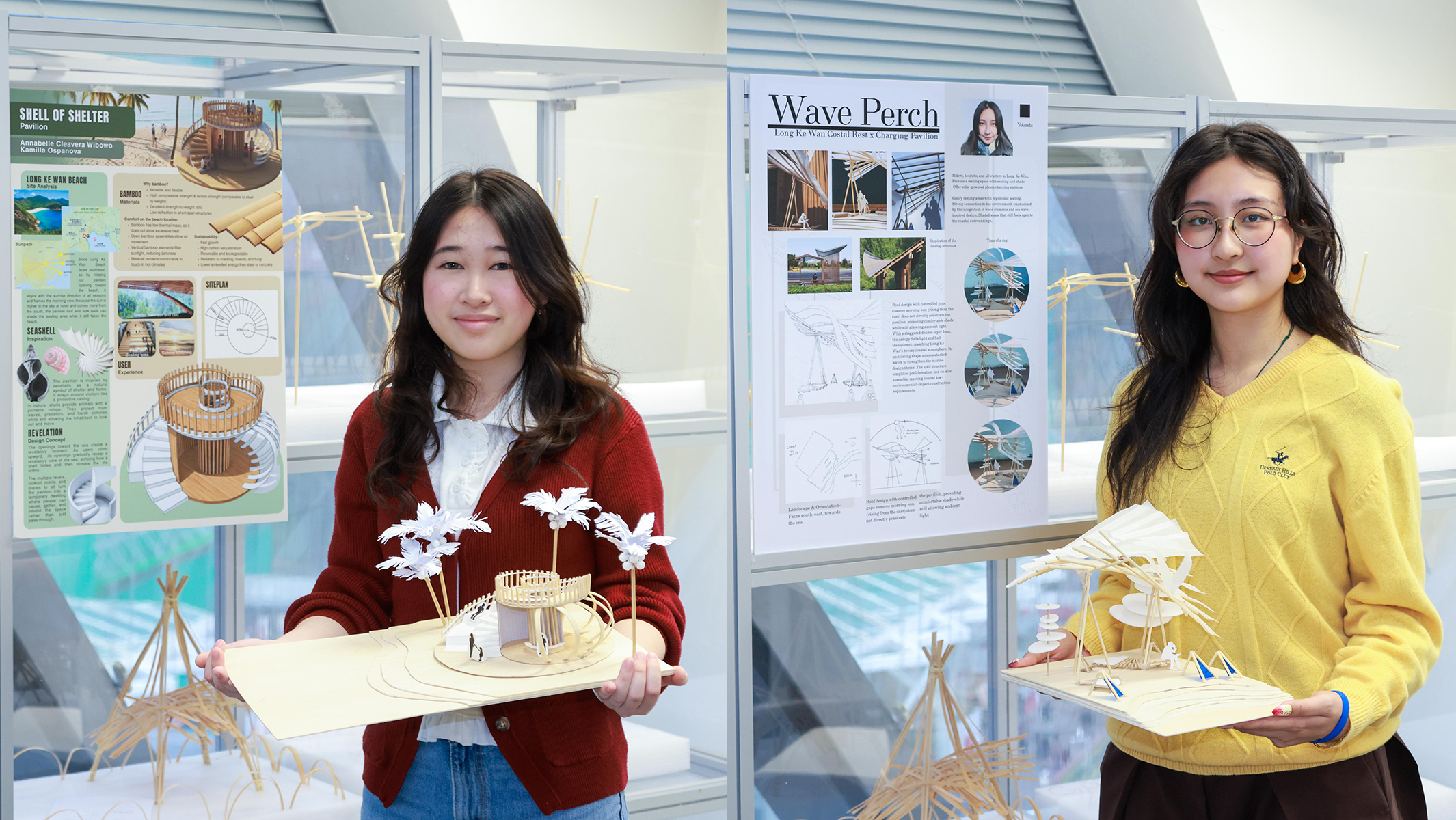
Annabelle Wibowo (left) and Yolanda Tam (right) took part in the student-led installation exhibited at UABB and subsequently showcased on the PolyU campus.