Elevating the Art of Hospitality: A Look Inside Asia’s Leading Tourism Education
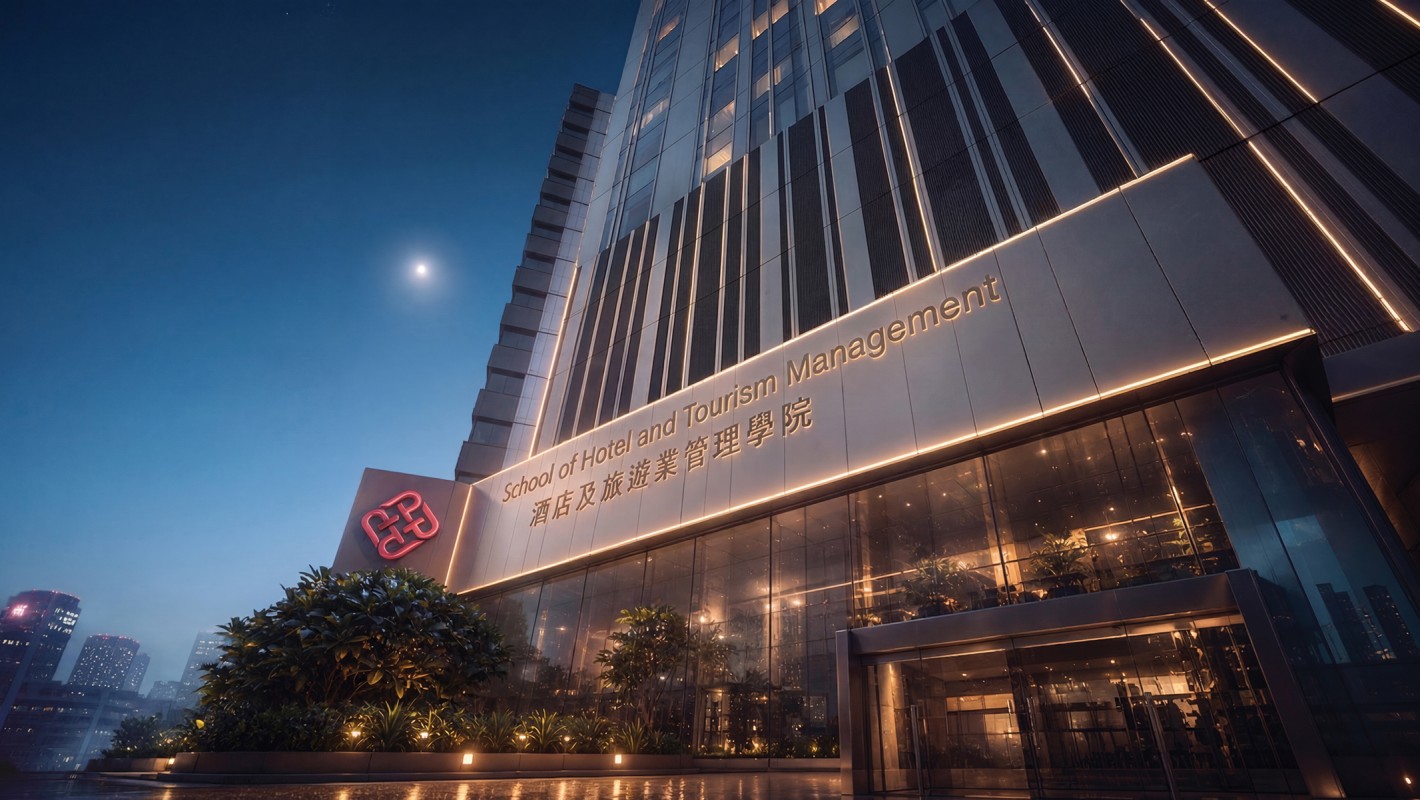
From its humble beginnings in 1979, PolyU’s School of Hotel and Tourism Management has evolved into a global centre of excellence in hospitality and tourism education and research. By fusing innovation with empathy-driven talent and utilising Hotel ICON as a “living laboratory”, it remains at the cutting edge of the industry.
In ancient Greece, the concept of Philoxenia—literally “friend to the stranger”—described a spirit that elevates hospitality from mere service to forging profound human connections. This ethos of embracing the unknown with grace remains the animating force behind the hospitality industry’s enduring success and serves as the foundational principle for PolyU’s School of Hotel and Tourism Management (SHTM). Over its 47-year history, SHTM has evolved into a global cradle for hospitality leaders, transmitting ancient tradition into modern excellence.
The global hotel and tourism sector has faced a period of relentless volatility, from the challenges of the pandemic to the disruptive emergence of artificial intelligence (AI). Yet, amid these trials, Asia has emerged as the world’s hospitality powerhouse, fuelled by rising affluence, a growing openness to new experiences, and an infrastructure boom. Positioned at the heart of this regional ascent, SHTM has become a leading force in innovation, navigating these trials with a focus on high-impact solutions.
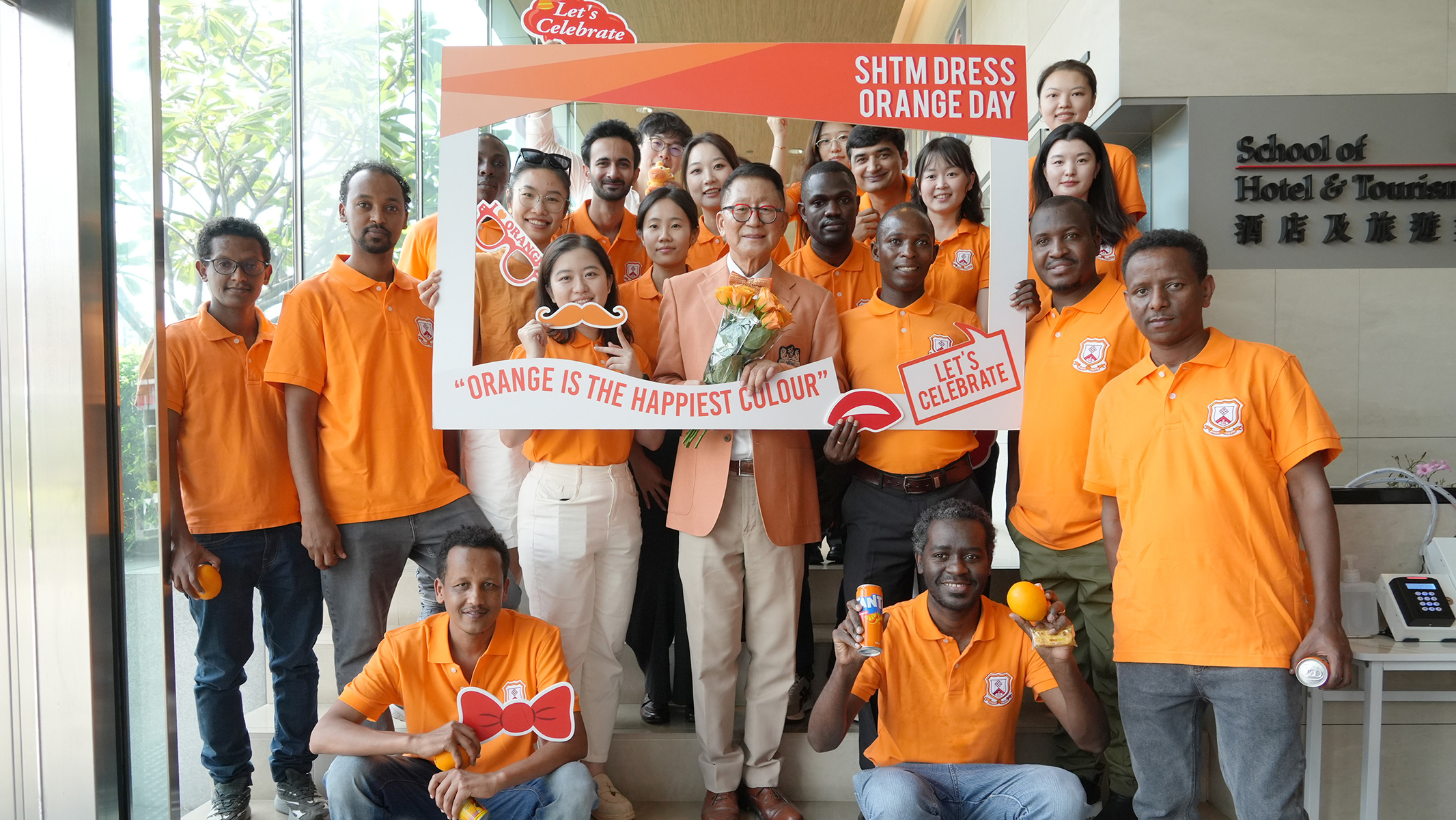
Dress Orange Day is organised annually by SHTM to celebrate the World Tourism Day championed by UN Tourism. On this occasion, SHTM staff and students wear orange, the School’s colour, to demonstrate their unity and support for global tourism, and take part in the “Dress Orange Fashion Show”—a vibrant showcase of creativity, diversity, and talent that brings the School community together.
The architect of a global vision
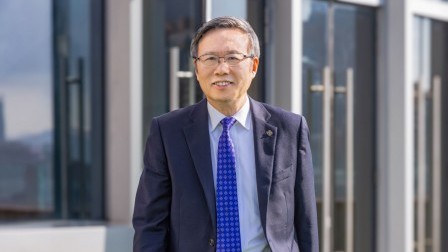
For 26 years, Professor Kaye Chon—Dean and Chair Professor of SHTM; Walter & Wendy Kwok Family Foundation Professor in International Hospitality Management—has served as the visionary architect of the School’s transformative rise.
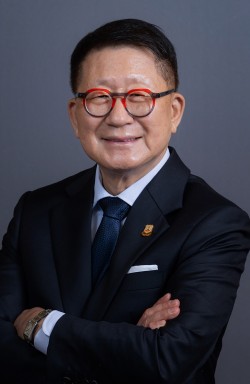
Professor Kaye Chon
Dean and Chair Professor, School of Hotel and Tourism Management
Walter & Wendy Kwok Family Foundation Professor in International Hospitality Management
Early in his deanship, Professor Chon led the School to realise its foundational mandate, “Leading Asia in Hospitality and Tourism”, before swiftly propelling the institution towards a more audacious global horizon: “Leading Hospitality and Tourism”.
Steering the School through a series of defining milestones, Professor Chon oversaw the 2011 debut of Hotel ICON—Asia’s first full-scale teaching and research hotel—and cemented SHTM’s status as a global powerhouse. For nearly a decade, the School has held the top spot in “Hospitality and Tourism Management” in the ShanghaiRanking Global Ranking of Academic Subjects, an achievement further bolstered by being ranked No. 1 in Hong Kong for “Hospitality and Leisure Management” in the 2026 QS World University Rankings.
For Professor Chon, however, true leadership is a mindset rather than a metric. “Leading, to me, is not just being ranked number one,” he notes.
Leading means pioneering every aspect—education and research—with a new paradigm of thinking.
~ Professor Kaye Chon
This proven formula rests on a quartet of strengths: world-class academic staff, talented students, deep-rooted industry partnerships, and the vital backing of PolyU.
An Asian model takes shape
Central to Professor Chon’s vision was the “Asian Paradigm”—a rejection of “pouring new wine into old bottles”. When he first joined PolyU, Professor Chon recognised that while Asia’s tourism sector was surging, its educational models remained tethered to Western blueprints. “There were no institutions here to rival the renowned programmes in the United States or Switzerland. We needed our own model,” he recalls. This led to the development of a curriculum uniquely attuned to the nuances of the Asian market, ensuring SHTM graduates possess a perspective that is both globally sophisticated and regionally expert.
The School’s “dream team” of nearly 100 full-time academics includes 18 of the world’s top 2% most-cited scientists in the latest ranking compiled by Stanford University in 2024, making SHTM a true hub of hospitality talent. Globally recruited, these scholars do more than teach; they empower a student body that now hails from 52 nations and regions. This is particularly transformative for Hong Kong’s brilliant yet traditionally modest students. Though historically influenced by cultural norms of humility and a scarcity of local role models—when industry leadership was largely dominated by European expatriates —these students are now inspired to claim their place at the forefront of the global arena.
At its heart, SHTM is driven by a vibrant community spirit. The School takes pride in cultivating an environment where unity, collaboration, and harmony thrive between staff and students. By upholding these values, the School breathes life into PolyU’s broader mission of shaping socially responsible professionals and leaders who step into the world with a deep sense of pride and belonging. This academic rigour is matched by an unprecedented level of industry synergy. SHTM pioneered an admission process where hotel general managers co-interview candidates, a practice rooted in the philosophy that these industry leaders are the ultimate users of the school’s graduates. This creates a sense of genuine professional ownership that is deepened by high-level mentorships and internships. Professor Chon likens this collaborative ecosystem to a master chef inviting a VIP guest into the kitchen, “Guests love the food because they helped create it.” Today, the industry champions SHTM graduates not merely as employees, but as their own.
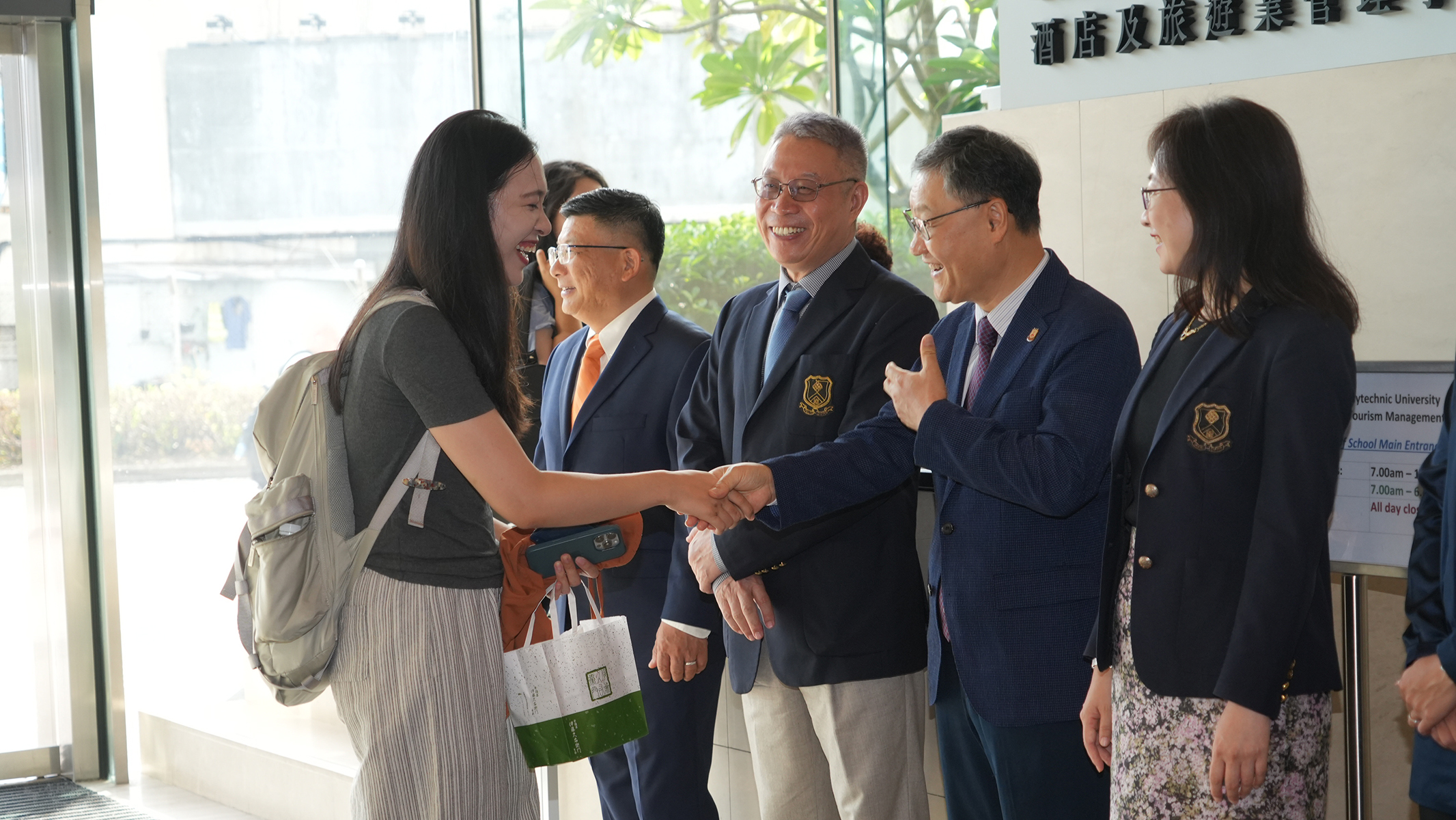
As a proud tradition of SHTM, all staff members come together to extend a warm and heartfelt welcome to students on the first day of school.
This commitment to immersion culminated in PolyU’s support for Hotel ICON—a campus landmark, a “living laboratory”, and one of the only nine Hong Kong hotels to earn One MICHELIN Key in the inaugural 2025 MICHELIN Guide Hotel Selection. When visitors see Hotel ICON, they see the School, Professor Chon notes. “It is our most powerful advertisement, drawing students and scholars from across the globe to Hong Kong.”
Learning that lives
The inception of Hotel ICON was an ambitious move, as the concept was untested in Asia. However, visionaries like Professor Chon and then-PolyU President Professor Poon Chung-kwong championed the project with unwavering faith. Their conviction was established in a singular goal: to instil students with the confidence that comes from professional mastery.
Today, Hotel ICON stands as a global benchmark for hospitality education. Its creation required a total pedagogical overhaul, seamlessly integrating live hotel operations into a large number of distinct subjects across all degree levels. In this environment, textbooks are complemented by real-time data. Students studying revenue management analyse live financial figures—data typically guarded as trade secrets. As Professor Chon notes, “Other hotels won’t show you. This is confidential.” Meanwhile, accounting students test their financial projections against the unpredictable, high-stakes realities of a five-star operation.
The living laboratory in motion
For Professor Chon, a world-class institution lies in its ability to translate theory into industry-wide transformation.
Research is not just about publishing a paper; it is about creating impactful solutions.
~ Professor Kaye Chon
As a living laboratory, Hotel ICON enjoys the experimental freedom corporate hotels lack, turning guest pain points into hospitality triumphs.
A premier example is the abolition of the traditional minibar—a primary source of dissatisfaction due to billing disputes. Reimagining it as a complimentary gesture, the hotel added a witty sign: “You are not seeing double, the minibar is free.” When students noted competitors were copying the idea, Professor Chon was undeterred, “That is exactly why we built this hotel. Let them copy; it forces us to remain innovative.”
Research also identified a gap in tourism data: long-haul flights arriving hours before standard check-in. To support exhausted travellers, Hotel ICON created the Timeless Lounge, a sanctuary to shower and recalibrate. This human-centric approach extends to technology; the Hotel pioneered RFID key cards and intelligent motion sensors that maximise energy efficiency by keeping only essential power running when guests leave the room.
The digital frontier
While post-pandemic theories centred on a fleeting “new normal”, Professor Chon remained sceptical of temporary behavioural shifts. To him, the true permanent transformation is a systemic digital evolution—one driven by labour shortages, technological leaps, and a tech-native generation.
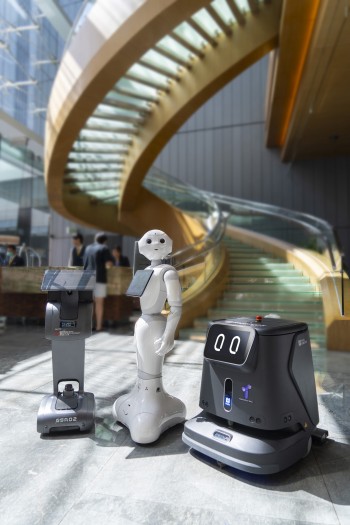
Hotel ICON introduces smarter guest experience solutions, delivering personalised services that enhance comfort and overall satisfaction.
To lead this shift, PolyU probably became the first university globally to require an Artificial Intelligence and Data Analytics course for all students. SHTM has further strengthened this commitment by drawing on the insights of the Research Centre for Digital Transformation of Tourism, ensuring that innovation remains grounded in high-impact research.
The School’s curriculum is equally disruptive, featuring the world’s first Master of Science in AI in Hospitality and an undergraduate specialism in smart tourism. By merging hightech literacy with the ancient spirit of hospitality, SHTM ensures its graduates stay ahead of the curve, not merely reacting to the future, but actively engineering it. As Professor Chon notes, this forward-thinking approach is “transforming the industry completely”.
Expanding the landscape of service talent
Beyond the traditional tourism sector, SHTM graduates have become the sought-after talents and leaders of service for the world’s most prestigious brands. “We are not just selling products; we are selling human services,” Professor Chon explains. From luxury retail and insurance to big tech and world-class hotels, SHTM talent is highly valued for their unique ability to blend high-tech efficiency with high-touch empathy.
At SHTM, the entrepreneurial spirit is lived, not merely taught. Such a culture of innovation inspires students to look beyond traditional employment towards actively shaping the future. “They are thinking of starting their own ventures,” Professor Chon observes. By bridging the ancient virtue of Philoxenia with innovative research, SHTM does more than teach a discipline; it empowers a new generation to lead and redefine the global service landscape.
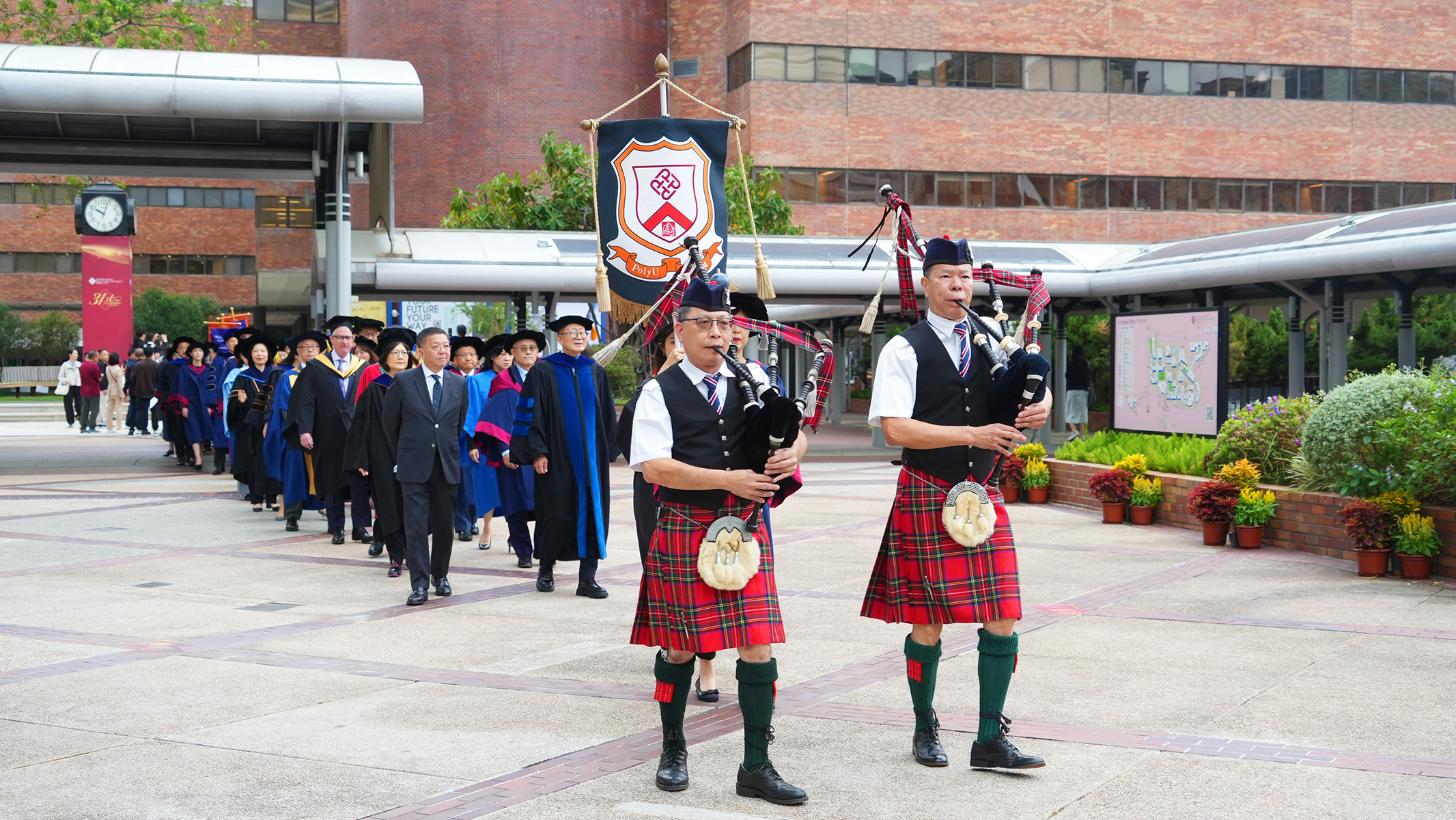
As a long-standing tradition of SHTM, graduates, together with the Dean and faculty members, march into the Jockey Club Auditorium to the sound of a pipe band playing ceremonial music, celebrating their academic achievements and the beginning of a new chapter.