Self-guiding Robot Reinvents Power Generators Inspection
An award-winning project addresses industry pain points, offering electricity providers a way to minimise disruptive downtime and save time, money, and manpower.
The boundary between a university classroom and the high-stakes industry front line is becoming increasingly blurred. For Professor Tam Hwa-yaw, Chair Professor of Photonics of the Department of Electrical and Electronic Engineering and Associate Director of the Photonics Research Institute, the ultimate goal of academia is no longer confined to the laboratory or a published study. Instead, he envisions a seamless integration of cuttingedge research, hands-on education, and real-world knowledge transfer for commercialisation.
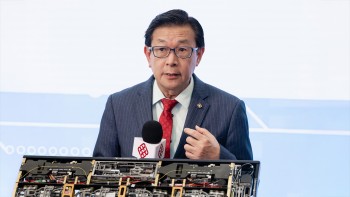
Professor Tam Hwa-yaw
Chair Professor of Photonics, Department of Electrical and Electronic Engineering
Associate Director, Photonics Research Institute
By bringing his students out of the lab and into the heart of the industry, Professor Tam is proving that undergraduates can be more than just learners; they can become entrepreneurs who eradicate the pain points in global infrastructure. A cornerstone of this vision is the team’s latest award-winning innovation: a baffle-compatible autonomous robot designed for power generator inspection. This project was jointly developed by PolyU and CLP Power Hong Kong Limited (CLP), representing a strategic collaboration aimed at addressing the specific operational and maintenance challenges faced by CLP in ensuring a stable and reliable power supply for Hong Kong.
Revolutionising power generator inspection
Power reliability is the lifeblood of modern society. According to the U.S. National Energy Technology Laboratory, generator issues account for 14% of power plant equipment failures. Traditionally, the maintenance process is a high-stakes, labour-intensive operation that involves extracting a generator rotor weighing as much as 50 tons to perform a detailed inspection. This conventional procedure presents significant hurdles, as lifting such an immense component requires specialised machinery and introduces substantial operational hazards. Furthermore, the process demands extreme accuracy, as any lack of precision during the manoeuver can cause serious structural damage to the generator. Consequently, these complexities mean the entire maintenance cycle typically takes approximately 40 days to complete.
Professor Tam’s team recently unveiled an ingenious, self-guiding robot capable of inspecting the interior of electrical generators without dismantling them. It can shorten the maintenance cycle by a week, which means big savings in time, money, and manpower. It also eliminates potential health and safety hazards for technicians working in extremely tight spaces that sometimes measure a metre or less.
Entitled “Revolutionising Power Generator Inspection: The Baffle-compatible Autonomous Robot”, the project won the Thailand Award for the Best International Invention & Innovation and a Gold Medal at the 51st International Exhibition of Inventions Geneva.
It was one of 32 PolyU innovations that received 37 different accolades—a remarkable achievement that demonstrates the University’s research excellence and global influence on the frontier of technology development.
Cutting downtime and eliminating human error
At just 36mm thick, the new low-profile robot is slim enough to slip through the gap between the stator body and the rotor assembly. A rotating launch platform, mounted on the generator’s retaining ring, positions the robot around the interior, and moves it precisely from one inspection slot to the next.
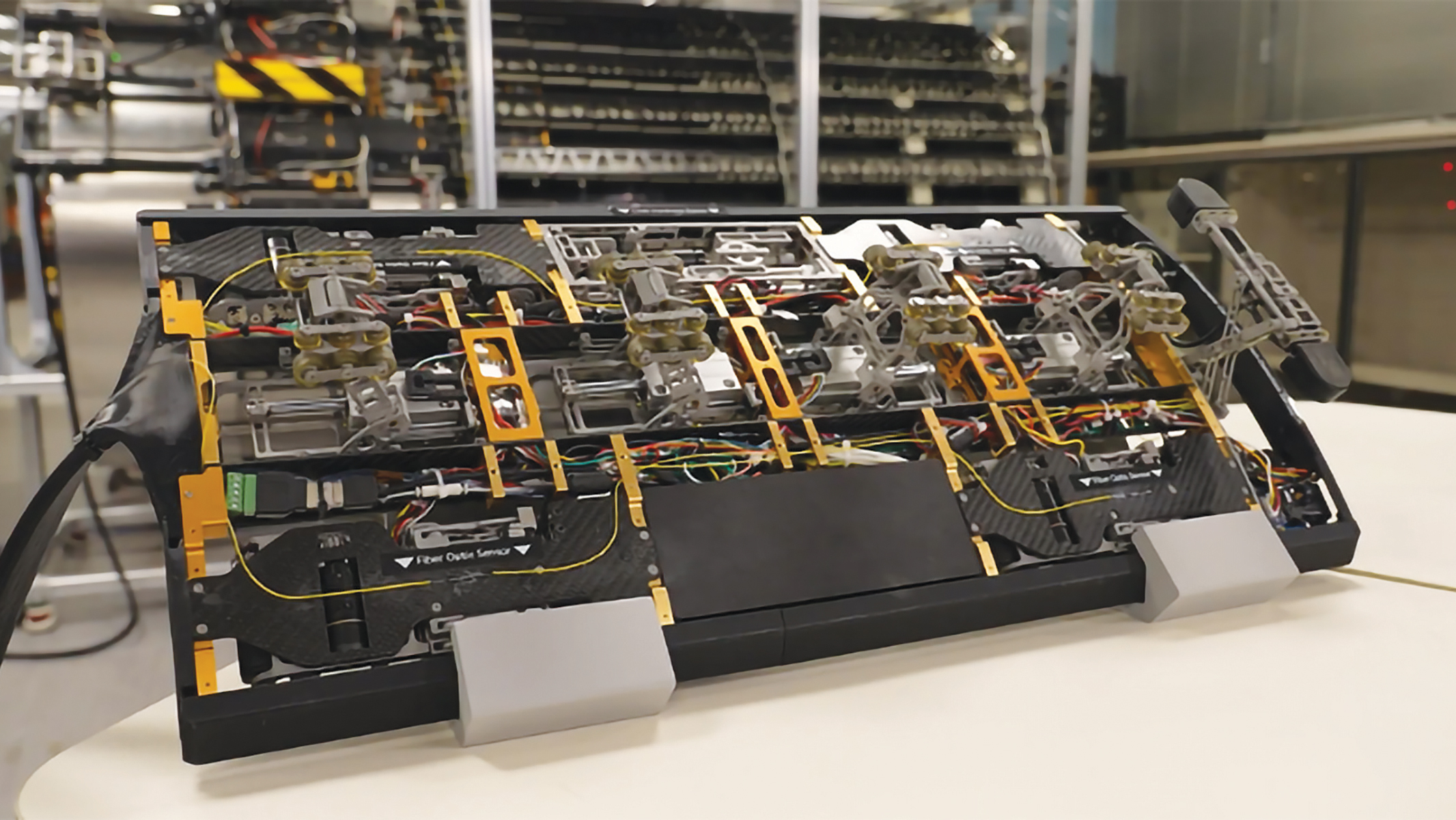
The award-winning autonomous robot is designed for power generator inspection.
Retractable legs and wheels, and an autonomous mobility system enable it to navigate the internal baffles, the complex structural dividers inside a generator, and winding passages that were previously inaccessible to anything but a full dismantling of the rotor. Furthermore, the system is designed with high-stakes environments in mind. It includes continuous position tracking and a fail-safe retrieval mechanism, ensuring that the robot can be recovered under any conditions, preventing it from becoming an “internal defect” itself.
The compact and efficient unit integrates a number of inspection tasks, including:
Visual inspection: to inspect ventilation ducts for oil stains, foreign objects or any other physical defects using a camera
Electromagnetic core imperfection detection: to induce a controlled magnetic flux in the motor core to detect any shorted laminations
Wedge tightness test: to assess the tightness of coils by tapping the wedges to ensure the integrity of the generator
“Using a robot to perform all of these essential inspections inside a fully-assembled generator speeds up the process, reduces costs, and cuts downtime,” says Professor Tam.
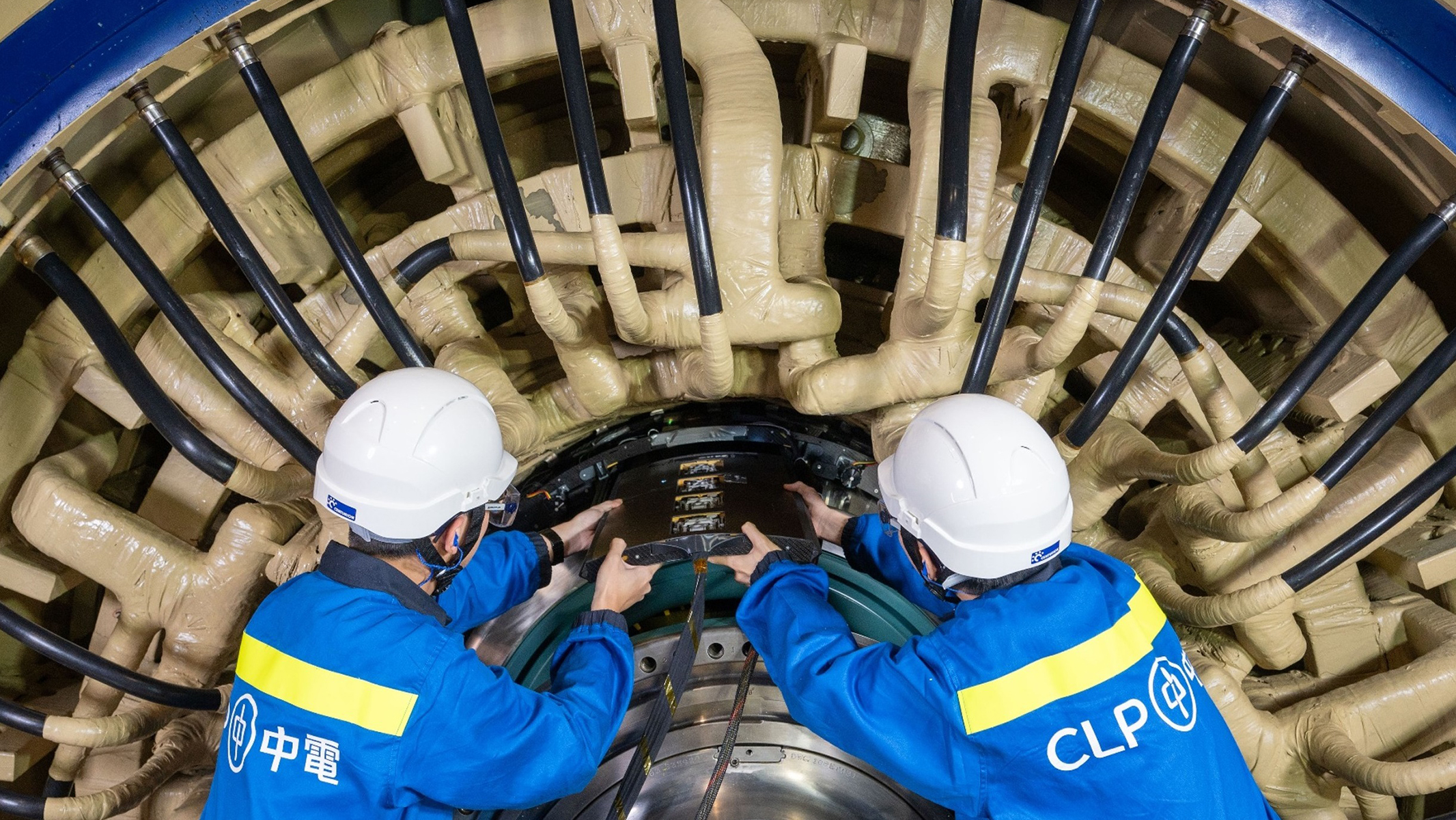
The slim robot is equipped with designs and mechanisms that enable it to ‘crawl over’ the baffles and complete the inspection automatically.
For example, the tightness test is traditionally done by hand, with technicians hammering on the wedges, and making a judgement call based on the resulting sound and their own experience. PolyU’s new robot doesn’t have a standard hammer. Instead, it fires a metal ball at the wedge, and measures the rebound speed to calculate wedge tightness.
“All data are recorded by the robot and analysed scientifically. The potential for human error through inexperience is eliminated. Additionally, the robot carries a fibre-optic condition monitoring system that continuously assesses the health of critical components. This provides early indication of component condition trends, supporting proactive maintenance and enhancing generator reliability,” he says.
Cultivating the Next Generation of Entrepreneurs
The project team included more than 40 undergraduates from the Engineering Entrepreneurship Club (EEC), who were closely involved in designing and creating the robot.
Professor Tam established the EEC in 2019 to provide students with hands-on experience, develop a practical understanding of industry needs, and inspire their entrepreneurial spirit. Each year, the club brings together roughly 200 students from different backgrounds, who learn to collaborate effectively through activities such as on-campus and international robot competitions.
Enthusiastic EEC member Mr Victor Leung joined the power generator inspection project as a Year-1 electrical and electronic engineering student, driven by a passion for building and assembling robotics. For Victor, the EEC is more than a club; it is a platform that allows him to transition from ideas to hands-on engineering. His commitment was so profound that he continued working on the initiative as a research assistant after graduation, having played a role in nearly every stage of the robot’s development—from intricate electronic integration and mechanical design to overall project management.
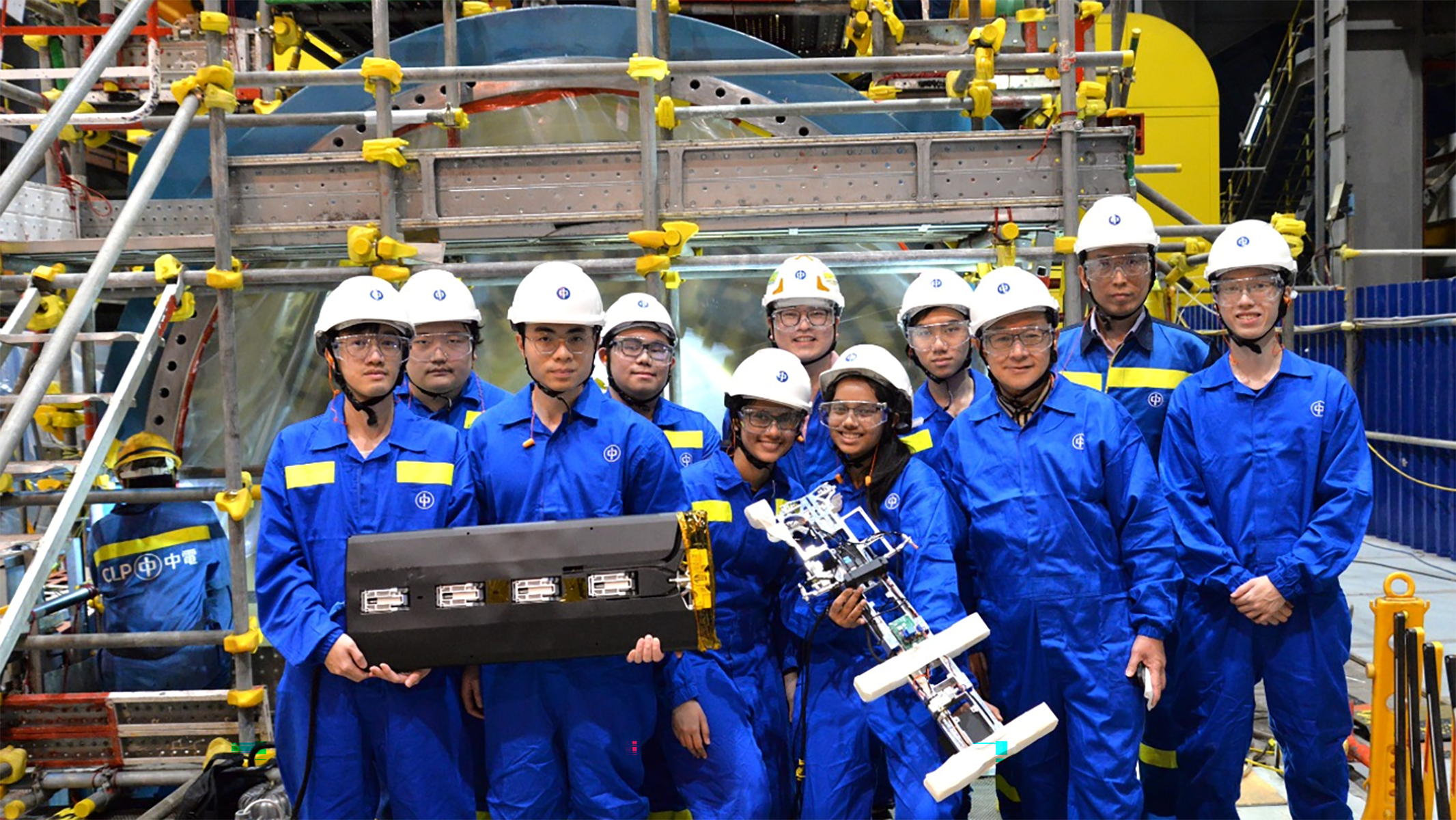
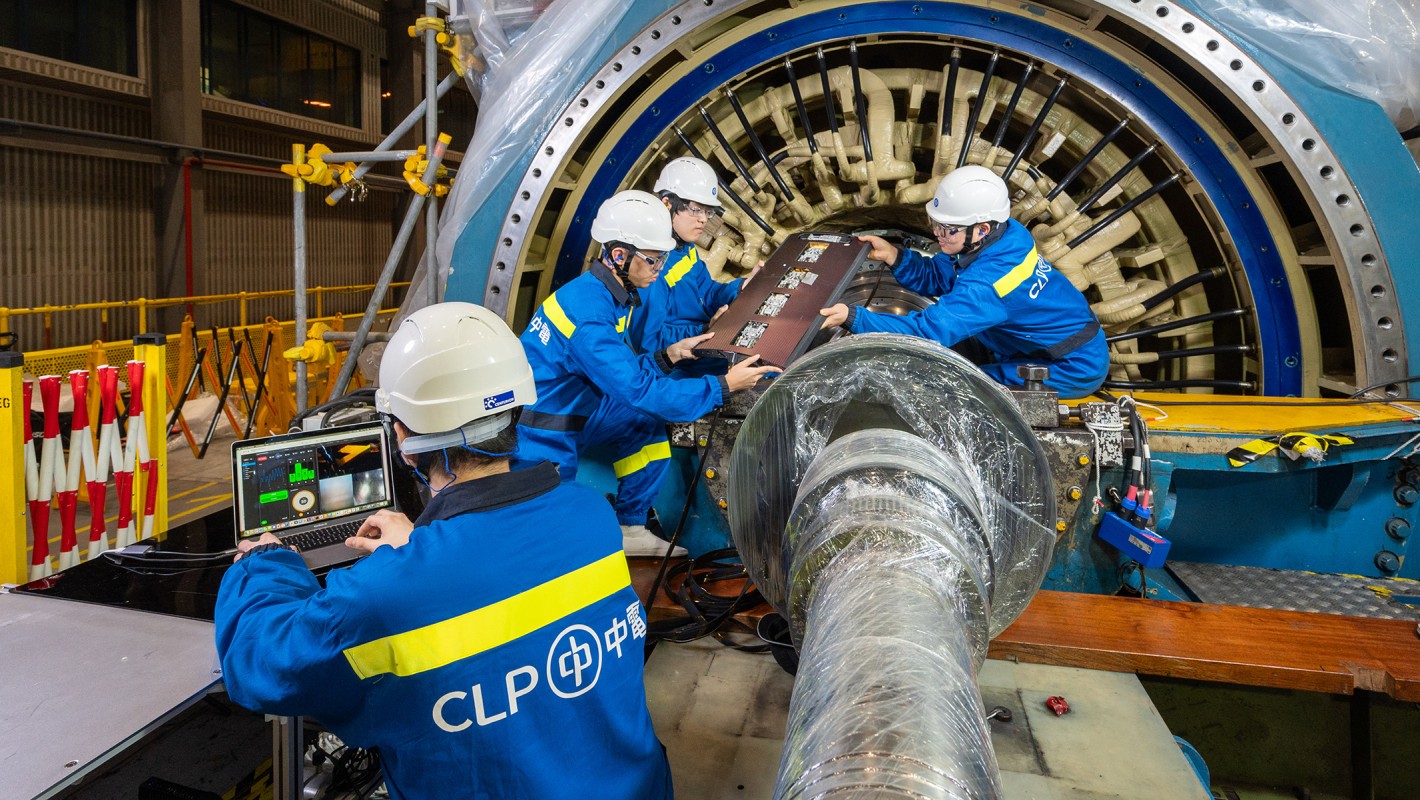
The collaboration with CLP allows the PolyU team to test the robot on a real-life size generator.
“The biggest reward in this project has been the improvement of my design and problem-solving skills. Because I was involved in everything from the mechanical hardware to the electronics and management, I gained a holistic view of what it takes to bring a concept to life,” says Victor.
Reflecting on the technical hurdles faced during the whole project, he adds: “There were many moments where the challenges seemed insurmountable, but the determination to never give up is what allowed our team to overcome every obstacle. I am incredibly proud to see the final deployment of the robot, and I plan to carry this same resilience into my future career in R&D.”
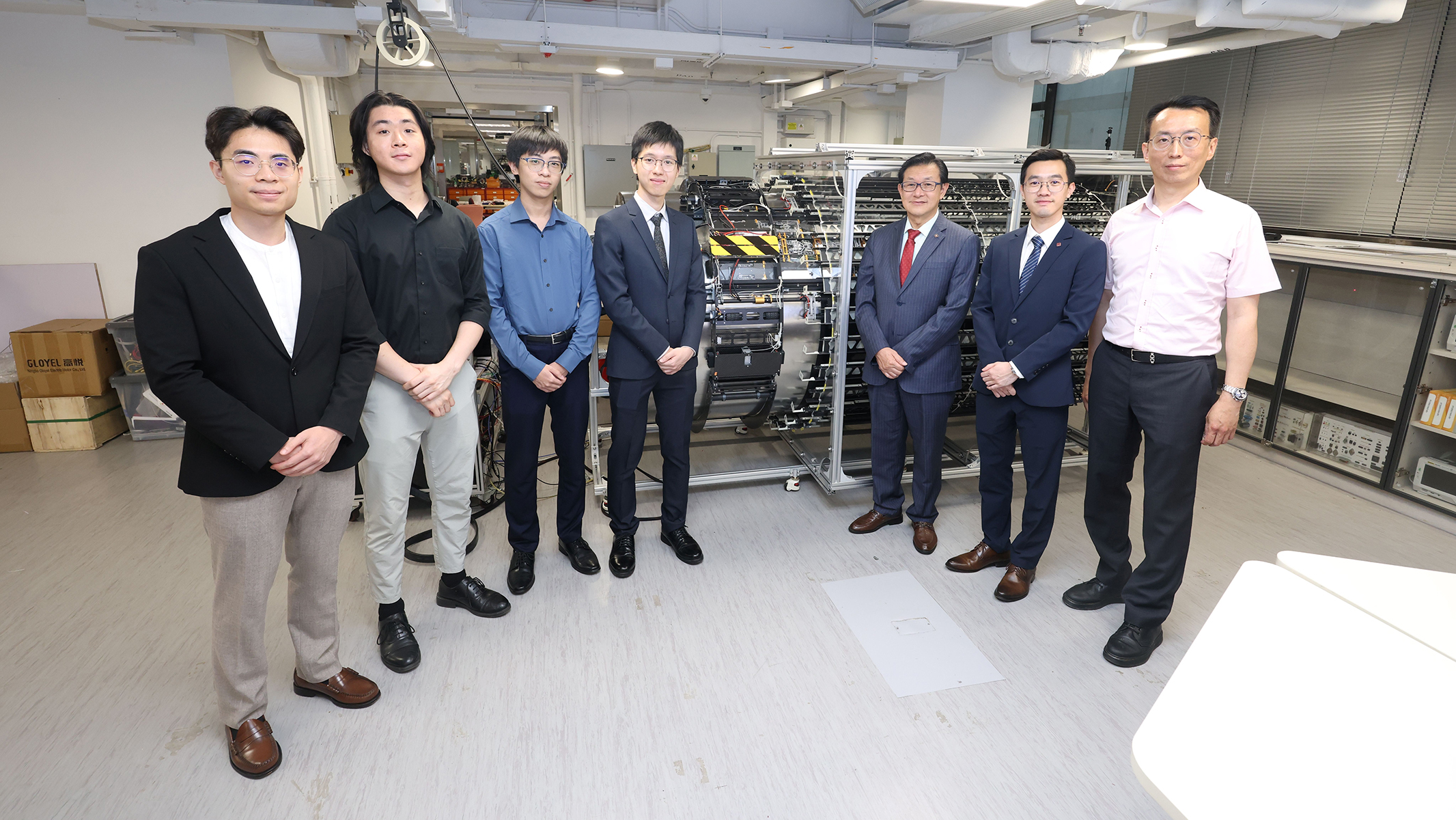
Professor Tam (third from right), Mr Victor Leung (second from right) and the team formed by other EEC members and researchers spent five years successfully developing the robot. To facilitate testing, a generator model was built in the lab according to the specification of a real-life generator.
Building a smarter, healthier, and more sustainable future
Following initial proof-of-concept and successful off-line performance testing at CLP’s Black Point Power Station in early 2025, Professor Tam expects to build on this milestone to launch a production-ready version before the end of 2026.
The professor already has another ingenious project in the pipeline. In collaboration with the Aviation Services Research Centre of PolyU, this snake-like, continuum robot system is designed to navigate the hard-to-reach, highly compartmentalised fuel tanks in aircraft. Much like the generator robot, the system helps eliminate dangerous manual operations in hazardous, confined environments, while also saving airlines significant costs by reducing the time aircraft must spend on the ground.
Professor Tam views these projects as the ultimate fruit of industry-academia-research collaboration. By focusing on challenges for which no market solutions exist, PolyU is driving the translation of research into solid benefits for society.
These projects demonstrate strong potential to address some of the world’s most pressing challenges, create a tangible impact for society, and build a smarter, healthier, and more sustainable future.
~ Professor Tam Hwa-yaw
Through the combination of industrial expertise and PolyU’s research excellence, Hong Kong is cementing its role as an international innovation and technology hub. In the process, a new generation of engineers is learning that the most powerful tools aren’t just found in textbooks—they are built to solve the problems of the real world.