When Digital Painting Meets Dementia Care Support
Other Articles

PolyU EPPS Platform Offers Caregivers a Flexible Creative Outlet
Study conducted by Prof. Angela Man Yee LEUNG  and her research team
Dementia affects not only the individual diagnosed, but also the family members who provide daily care. For family caregivers of persons with dementia, the demands are often intense, prolonged and unpredictable. They may need to manage wandering, mood changes, sleep disruption, communication difficulties and increasing dependence in everyday activities.
Compared with many other caregiving roles, dementia care can place a particularly heavy emotional burden on caregivers because symptoms evolve over time and often affect behaviour as much as physical function. Many caregivers experience anxiety, depression, exhaustion and social isolation, yet may struggle to attend face-to-face support programmes because they cannot easily leave the person they care for unattended.
Digital art therapy offers one possible response. Painting has long been used as a means of emotional expression and stress relief, while mobile technology makes creative activity practicable at home and on demand. For caregivers with little uninterrupted time, a digital platform can provide a simple, self-paced way to relax, reflect and reconnect.
This was the rationale behind the electronic painting and peer supportive (EPPS) platform (Figure 1), developed by Prof. Angela Man Yee LEUNG, Associate Head (Research) and Professor of the School of Nursing at The Hong Kong Polytechnic University (PolyU), and her research team.
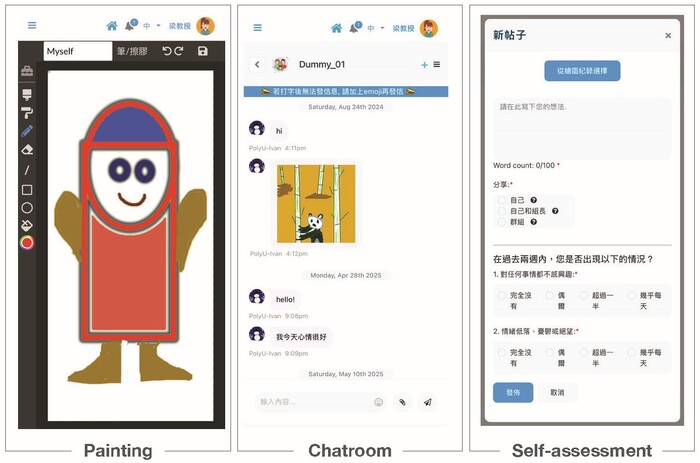
Figure 1. Layout and selected functions of EPPS app
Designed for family caregivers of persons with dementia, the app combines electronic painting with peer communication and basic self-monitoring. Users can create paintings on a smartphone or tablet using different brushes and colours, share their work with others, interact through a chatroom, view announcements and complete self-assessments. Background music was also added to make the experience more soothing. A study published in Healthcare [1] illustrated the design of the app and examined whether caregivers would use such a platform at home, whether they found it acceptable and whether it showed preliminary benefits for their well-being.
The research used a two-phase mixed-methods design. Phase 1 focused on app development. Before the platform was finalised, 22 caregivers took part in focus group interviews to discuss their preferences and training needs. This co-design stage was central to the project. Rather than developing the platform in isolation, the team built it with input from intended users. Participants suggested features such as background music, a wider range of colours, mood-related functions and demonstrations to guide painting. They also said hands-on practice would be helpful before using the app independently, particularly for downloading the app, navigating functions, and uploading or sharing images.
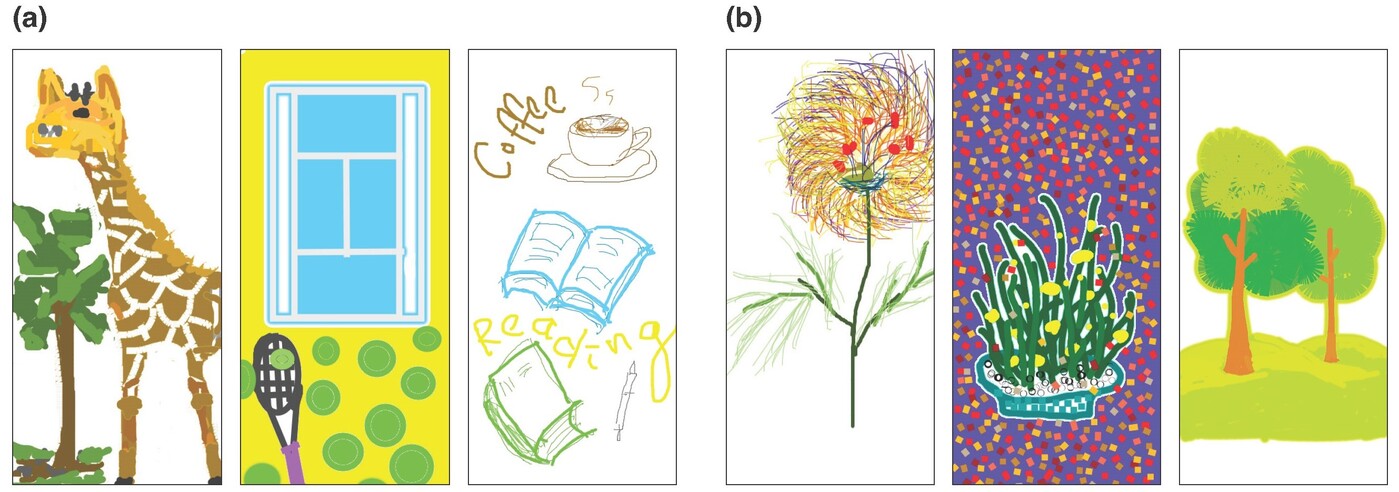
Figure 2. Paintings by participants
(a) On the topic "A place I want to go when I am free"
(b) On the topic "A plant I like"
Their feedback shaped the revised version of the platform used in Phase 2 of the research. In this second stage, 28 family caregivers were invited to use the EPPS platform over eight weeks. Participants were encouraged to create at least two paintings per week, though they were free to paint more. They could also share their paintings with friends or relatives, use the chatroom, and complete self-assessments at the start and end of the intervention. To encourage engagement, the app administrator posted weekly themes through the announcement function (Figure 2).
To evaluate the platform, the team collected both quantitative and qualitative data. Caregiver burden, depressive symptoms, self-rated health and social support were measured before and after the intervention. Post-intervention interviews explored how participants experienced the app and what role it played in their daily lives. This mixed-methods approach was well suited to an early-stage digital health study, allowing the team to look beyond metrics alone and capture the lived meaning of use.
Usage data help to show how the EPPS platform fitted into caregivers’ routines. Across the intervention, participants produced a total of 116 pictures. The average number of logins was 6.89, though usage varied considerably. Most participants logged in between one and eight times, while two high-frequency users logged in 20 and 23 times respectively. Sharing behaviour was also notable. Most participants shared their paintings with friends or relatives, and login frequency was strongly correlated with the sharing of paintings (r = 0.72, p < 0.001). This indicates that more active use of the platform was closely linked to its social dimension.
Patterns of use over time were also revealing. App usage and picture sharing peaked in Week 1, when 45 login sessions and 54 shared pictures were recorded. Activity then declined after Week 2, reached a low point in Week 6, rose sharply again in Week 7, and tapered towards Week 8. This trajectory reflects a common pattern in digital interventions: strong initial engagement, followed by fluctuation as use competes with daily responsibilities. Even so, some participants continued using the platform after the formal eight-week period, suggesting that the app retained personal value beyond the study timetable.
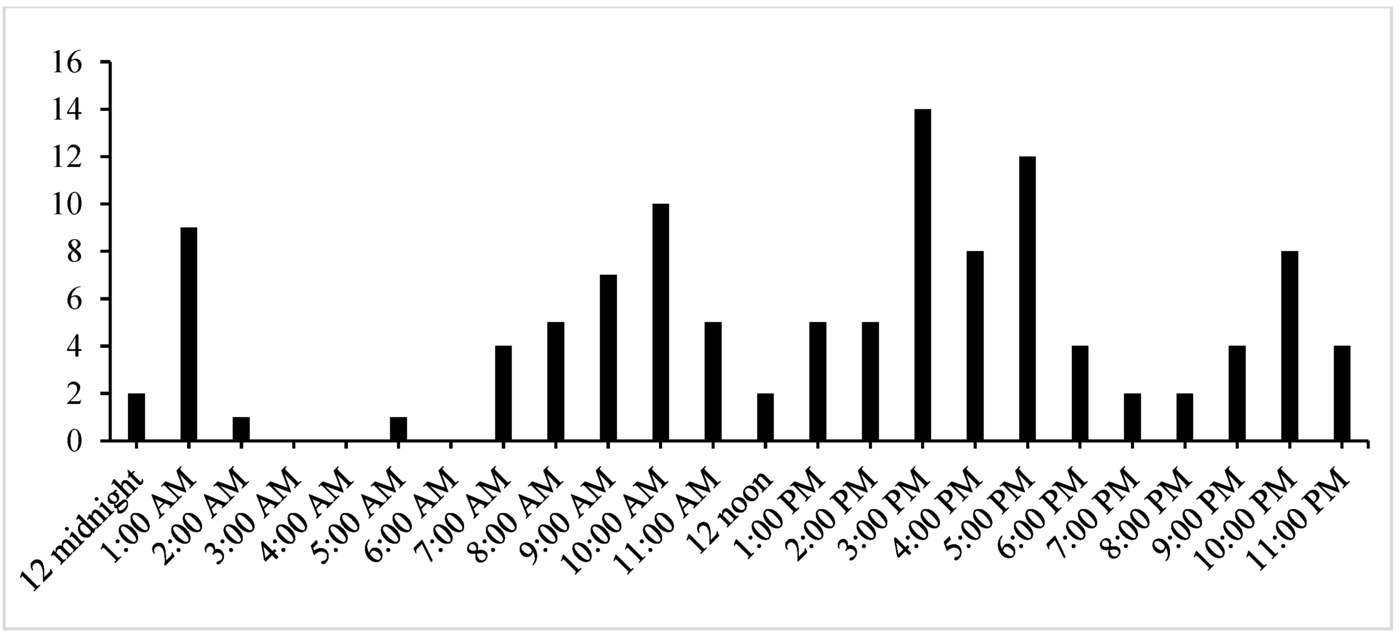
Figure 3. Participants' usage and timing of using the EPPS platform
Particularly interesting was the timing of app use. Five peak hours emerged: 1 am, 10 am, 3 pm, 5 pm and 10 pm (Figure 3). These are not conventional service hours. They are the leftover hours of caregiving life. The late evening and early morning peaks suggest that some caregivers used the app after the person with dementia had settled for the night or during periods of wakefulness and stress. Daytime peaks may reflect brief windows of respite.
The qualitative findings provide a fuller picture of what the EPPS platform meant to users. Four themes were identified: satisfaction and enjoyment in using the app; the app as a channel to ventilate emotions; the app making users feel connected; and caregivers’ efforts to cope with the challenges of dementia care.
Participants generally found the app easy to use, convenient and enjoyable. They appreciated the simplicity of digital painting. If they were unhappy with a drawing, they could erase it and start again, which reduced the pressure that some may associate with traditional painting. This low-barrier format appears to have made creative participation more approachable, even for users without prior artistic experience.
Perhaps more important was the app's emotional function. Caregivers described painting as a way to release frustration, stabilise their mood and briefly step away from the pressures of care. One participant said, “Whenever I paint, I feel like I’m brushing away all the negative events." Another explained, "Painting can soothe my bad mood … I see it as a way to let go of bad feelings." Such comments suggest that the platform supported emotional regulation by offering a quiet and private means of self-expression.
The peer-support element also emerged as a meaningful feature. Several participants described limited support from family members and a lack of understanding from others. Some also referred to stigma around dementia and caregiving stress, which made it difficult to speak openly in everyday life. Within the app, however, they could see others’ paintings, exchange messages and feel that someone else understood similar experiences. The chatroom and shared artwork therefore helped to create a sense of connection among users who might otherwise feel alone.
These findings are particularly relevant for the nursing sector because they show that value in digital caregiving tools does not come only from efficiency or monitoring. Emotional resonance, simplicity and social recognition also matter. In the case of EPPS, the combination of painting and peer contact appears to have made the platform more than a digital pastime. It became a small supportive space within an otherwise demanding caregiving environment.

Table 1. Psychosocial Assessment before and after the use of EPPS
The quantitative findings on psychosocial well-being were more measured (Table 1). There were no significant changes in depressive symptoms, self-rated health or perceived social support after the eight-week intervention. Caregiver burden increased significantly, with a mean difference of 2.86 (t = 3.10, p = 0.004). Yet these outcome measures sit alongside qualitative evidence showing that participants valued the app as enjoyable, emotionally expressive and socially connecting. It suggests that the platform’s contribution may lie less in generating rapid changes in broad psychosocial indicators and more in providing an accessible, user-centred form of support that caregivers can turn to in stressful moments.
This study offers several important lessons. First, family caregivers of persons with dementia are willing to engage with digital psychosocial interventions when these are designed around their real circumstances. Second, co-design matters: features such as music, colour variety and guided support emerged from user input, not from technical assumption. Third, engagement is closely linked to flexibility. The irregular hours of use underscore the importance of digital tools that are available whenever caregivers have time, not only when services are scheduled.
The EPPS platform demonstrates how digital health innovation can support caregivers in a more humane and responsive way. By combining creative expression, peer interaction and mobile accessibility, it provided family caregivers of persons with dementia with a practical outlet for emotion and connection. In a field often dominated by conversations about efficiency, surveillance and clinical outcomes, EPPS points to another dimension of smart ageing: technologies that support the inner lives of caregivers as well as in the practical demands they face.
Following the trial, the platform received support under the Mental Health Initiatives Funding Scheme (Round 2), with funding of HK$2 million. The scope of the programme was subsequently extended to include caregivers of people with dementia, frail older adults and individuals with disabilities, benefiting approximately 800 users between 2023 and 2025. The outcomes of this extended implementation further support the findings reported in this article. In 2026, PolyU was granted the intellectual property rights by the HKSAR Government, enabling patent application and commercialisation of the system. These developments indicate the platform’s potential for sustained translation into community-based digital mental health support.
Prof. Leung was recognised by Stanford University as one of the top 2% most-cited scientists worldwide (single-year) in the field of nursing for three consecutive years, from 2023 to 2025. She is a leading scholar in health literacy, dementia caregiving and healthy ageing, internationally recognised for developing technology-enabled solutions to improve the lives of older adults and caregivers. Her major honours include the Excellent Health Promotion Project Award (HKSAR Government, 2021), the Hartford Geriatric Scholars Program Award (Johns Hopkins University, 2014), the Distinguished Gerontological Nursing Educator Award (2018) and the Trailblazer Award in Medical & Health at the Smart Ageing Award 2025. She currently oversees more than HK$37 million in active research funding, supporting major projects in COVID-19 interventions, health literacy, dementia care and home-based robotic assistance. Beyond academia, she served as President of the Asia Health Literacy Association (2024–2025) and currently serves as a consultant to the Labour and Welfare Bureau and Department of Health of the HKSAR Government. She also contributes to public service through appointments to major grant review panels and elderly care-related committees in Hong Kong and international health networks.
| References |
|---|
[1] Leung, A.Y.M.; Cheung, T.; Fong, T.K.H.; Zhao, I.Y.; Kabir, Z.N. The Use of an Electronic Painting Platform by Family Caregivers of Persons with Dementia: A Feasibility and Acceptability Study. Healthcare 2022, 10, 870. https://doi.org/10.3390/healthcare10050870
 | Prof. Angela Yee Man LEUNG Associate Head (Research) and Professor, |