Caring for the Carers: A Nature-Based Mindfulness Programme for Caregivers
Other Articles

A Study on the Use of Mindfulness in Natural Settings to Alleviate Caregiver Stress
Study conducted by Prof. Herman Hay Ming LO 
Discussions of population ageing often centre on older adults themselves: how to promote their health, independence and social connectedness. Yet in Hong Kong, as in many ageing societies, a substantial proportion of care is provided not by formal institutions but by family members. Adult children, spouses and other relatives frequently support older people living with frailty, chronic illness and dementia, often while simultaneously managing employment, family responsibilities and financial pressures of their own.
This reality represents a significant gap in prevailing discussions of smart ageing. Considerable attention is devoted to eldercare services, age-friendly design and technological innovation, but far less attention is directed towards the well-being of the individuals who sustain caregiving on a daily basis. When caregivers experience exhaustion, anxiety or physical strain, the resilience of the broader care system is undermined.
A recent Hong Kong study conducted by Prof. Herman Hay Ming LO, Associate Professor of the Department of Applied Social Sciences at The Hong Kong Polytechnic University, provides an important perspective on this issue. The study examined whether a nature-based mindfulness programme could enhance the mental health of family caregivers, including caregivers of older adults. Its findings are encouraging, particularly for scholars, practitioners and policymakers seeking more humane and sustainable models of ageing support. The study report was published by the Hong Kong Family Welfare Society [1].
Why Mindfulness, and Why at This Time?
Mindfulness is commonly defined as the practice of attending to present-moment experience with openness and non-judgement. Over the past two decades, mindfulness has extended well beyond specialist clinical settings. Mindfulness-based programmes are now widely employed to support stress reduction, emotional regulation and psychological well-being across healthcare, educational and occupational contexts.
For caregivers of older adults, such approaches are particularly relevant. Many caregivers are confronted not only with short-term problems that can be readily resolved, but also with chronic and cumulative stressors. Caring for a person with dementia, for example, may involve emotional burden, role conflict, sleep disruption and sustained vigilance. In Hong Kong, these challenges may be intensified by cultural expectations surrounding filial responsibility, the practical constraints of co-residence and limited opportunities for self-care.
However, conventional mindfulness programmes are not always accessible to caregivers. Standard interventions often span eight weeks and require regular home practice. For individuals already burdened by caregiving duties, consistent attendance and sustained engagement may be difficult. This underscores the importance of developing shorter, lower-intensity and more feasible interventions.
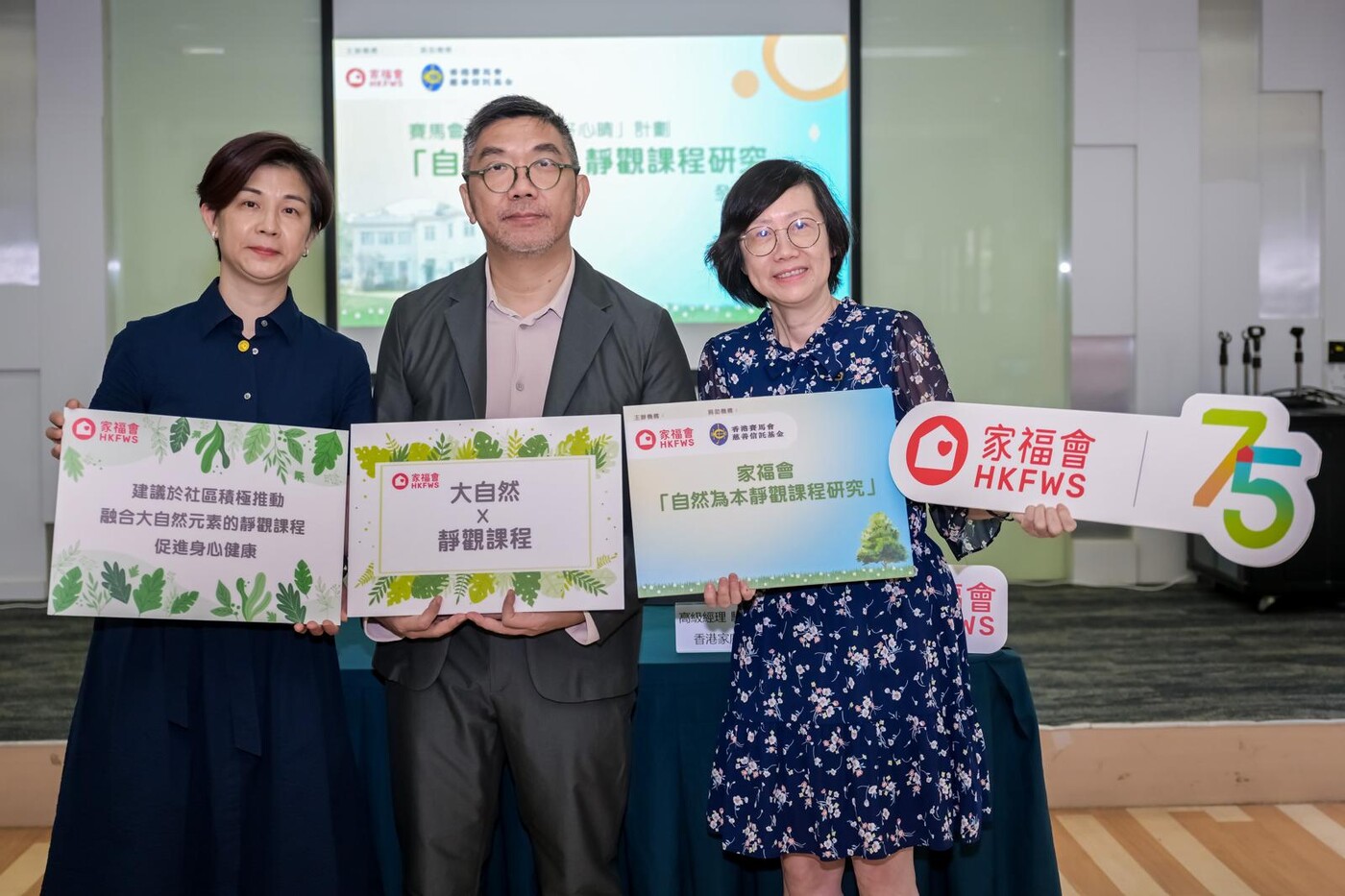
Figure 1. Press Conference to Release the Evaluation Study
The Programme
The study formed part of the three-year "Sunny Nature" Family Wellness Project (from April 2021 to June 2024), funded by The Hong Kong Jockey Club Charities Trust and implemented by the Hong Kong Family Welfare Society (Figure 1).
Designed by Prof. Lo, the intervention was a low-intensity nature-based mindfulness programme comprising four weekly sessions, with a total duration of eight hours (Table 1). It was developed for two participant groups: caregivers of older adults with dementia or frailty and parents under stress.
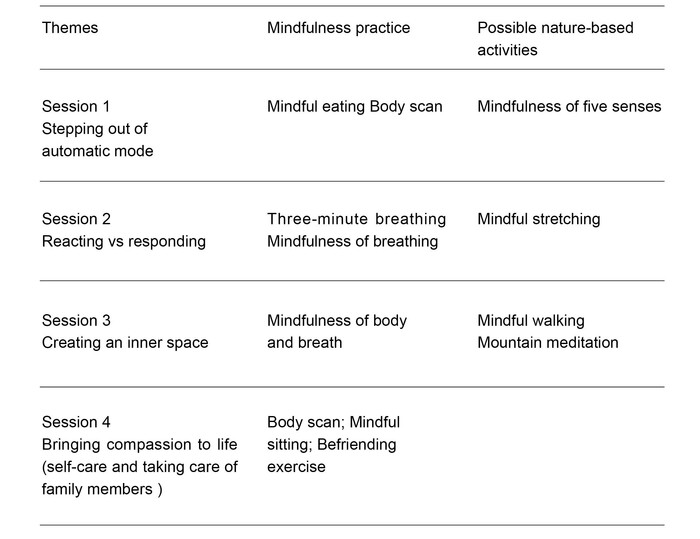
Table 1. Session plans of the nature-based mindfulness programme
The programme integrated core mindfulness practices, including a body scan, breathing exercises, mindful sitting and mindful movement, with activities explicitly engaging the natural environment. The activities included sensory awareness exercises, mindful walking and mountain meditation. Sessions were conducted mainly at the Zonta White House Family Retreat Centre in Tai Po, in a tranquil setting with gardens and green surroundings, and at community service units when necessary (Figure 2).
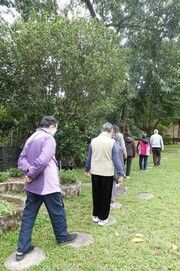
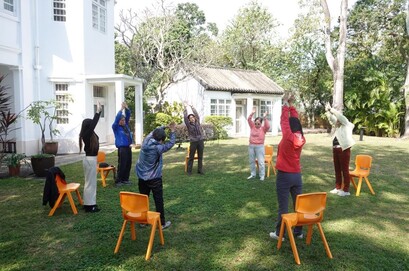
Figure 2. Participants joining the programme at the White House
A total of 95 participants enrolled in the programme, including 40 caregivers of older adults. The study adopted a mixed-methods design. Participants completed validated questionnaires at four time points: one month before the programme (T0), immediately before the intervention (T1), immediately after the intervention (T2) and three months post-intervention (T3). The measures assessed depression, anxiety, stress, physical distress, daily functioning, well-being, family functioning, family conflict and connectedness with nature. Focus group interviews were also conducted to explore participants’ subjective experiences of the programme.
For caregivers of older adults, the findings were notably positive.
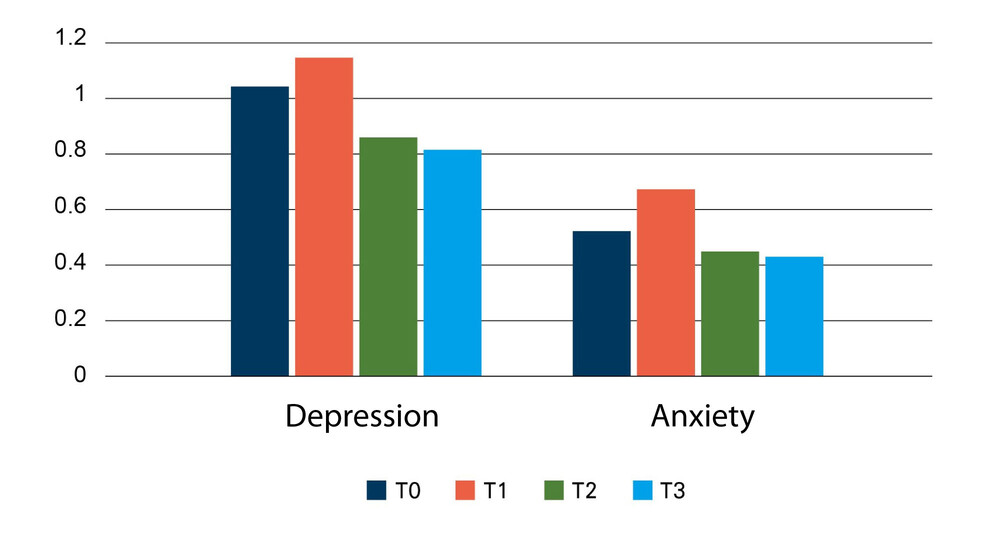
Figure 3. Results for caregivers of older adults (1)
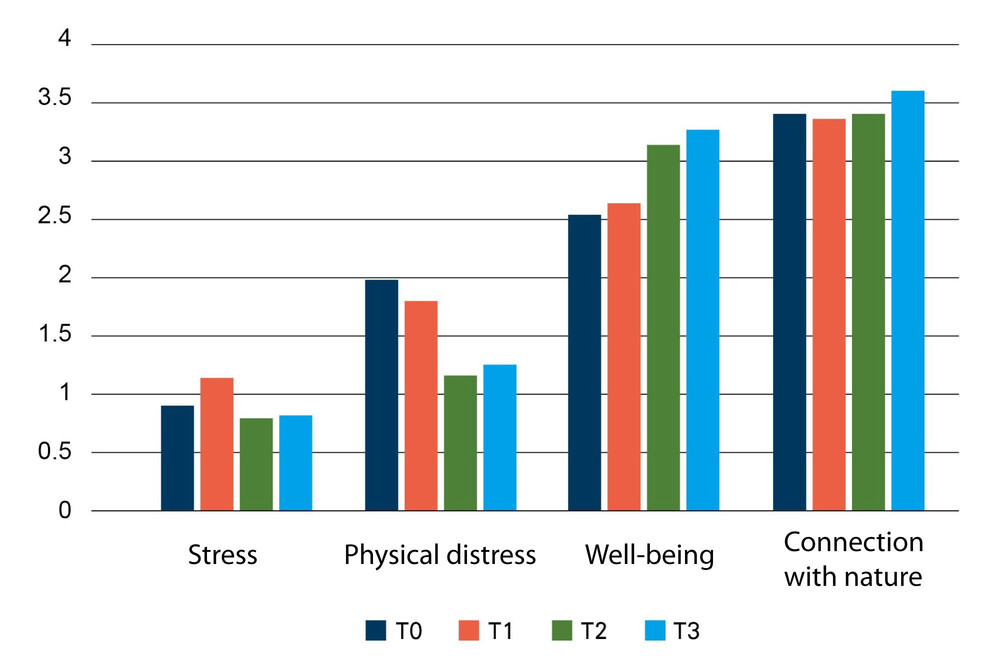
Figure 4. Results for caregivers of older adults (2)
Comparisons between pre-intervention and post-intervention scores indicated significant improvements in levels of depression, anxiety, stress and physical distress, as well as in daily functioning and well-being. Improvements were also observed between the pre-intervention assessment and the three-month follow-up in family functioning and connectedness with nature (Figures 3 and 4).
Caregivers reported improvements in emotional well-being, a reduction in physical strain and an improved capacity to manage daily life following the intervention. Some benefits also appeared to be sustained beyond the end of the four-session programme.
The effect on depression was of moderate magnitude, while effects on the remaining measures ranged from small to moderate. Given the brevity of the intervention and the chronic stress experienced by this population, these findings may be regarded as meaningful.
The Role of Nature
One of the most noteworthy aspects of the study is its attempt to examine not only whether mindfulness was beneficial, but also whether the natural setting contributed meaningfully to the observed outcomes. Natural environments have long been recognised as potentially restorative, particularly in relation to stress and attentional fatigue. For caregivers, this is especially pertinent. Caregiving often entails continuous monitoring, anticipation and response. Exposure to nature may offer an alternative form of attentional engagement—less effortful, more expansive and potentially restorative.
The qualitative findings provide useful insights into this process. Participants described the White House as a setting in which they could momentarily disengage from the demands of everyday caregiving and experience a sense of relief.
One caregiver remarked: “Arriving in that environment indeed helps people relax. When you enter a peaceful place like the White House it changes the mood…Especially when I take a leisurely walk in the garden, taking small steps and enjoying the surroundings.”
Another participant reflected: “When we walk slowly and mindfully, our hearts become calm… It teaches us not to rush and to take our time.”
These reflections, while simple in expression, highlight an important dimension of caregiving support. The value of the programme lay not only in the acquisition of mindfulness techniques, but also in being situated within an environment conducive to slowing down, reconnecting with bodily awareness and shifting away from reactivity.
The quantitative findings were consistent with this interpretation. Connectedness with nature significantly predicted improvements in levels of depression among caregivers, both immediately after the programme and at follow-up. It also significantly predicted improved levels of family functioning at follow-up. Notably, the number of hours spent at the White House was not itself a significant predictor. This suggests that the therapeutic value of the intervention may depend less on the amount of time spent outdoors than on an individual’s subjective sense of connection with the natural environment.
For practitioners, this distinction is important. A nature-based approach is not simply a conventional mindfulness class delivered outdoors. Rather, it requires intentional design such that the natural environment becomes an active component of the therapeutic process.
Implications
This study has several implications for professionals engaged in ageing-related services, programme design and policy development.
First, it strengthens the case for recognising caregiver support as a central element of eldercare. The mental health of caregivers is not peripheral to the well-being of older adults; rather, it has direct implications for care quality, family dynamics and the sustainability of ageing in place.
Second, it highlights the value of low-intensity and practicable interventions. Many caregiver support programmes struggle to achieve sustained engagement because they require commitments that are difficult for caregivers to maintain. A four-session model is unlikely to address all dimensions of caregiver burden, but it offers a practical and potentially scalable form of support.
Third, the findings broaden current understandings of smart ageing environments. Innovation in ageing is often framed primarily in technological terms. However, restorative physical environments also warrant attention. Quiet, green and accessible settings may play a meaningful role in community-based caregiver support.
Finally, the study underscores the importance of integrating emotional regulation and self-care into service design. For caregivers supporting individuals with chronic conditions such as dementia and frailty, support must extend beyond information provision or care skills. It should also include interventions that help caregivers maintain psychological stability in situations where there are no simple solutions.
This Hong Kong study of a nature-based mindfulness programme does not claim to fully address the broader structural pressures faced by family caregivers. Nevertheless, it offers a promising model of support: brief, accessible and attentive to both psychological needs and physical environment. Among caregivers of older adults, participation in the programme was associated with improvements in levels of depression, anxiety, stress and physical distress, as well as daily functioning and well-being, with additional gains in family functioning over time.
More broadly, the study highlights an important principle for smart ageing: if societies wish to promote the well-being of older adults, they must also create better conditions for those who care for them. Caregiver support should not be regarded as an optional supplement, but as an essential component of ageing infrastructure. In some cases, an effective response may begin not with greater complexity, but with something more fundamental: space to pause, breathe and recover.
Prof. Lo is a registered social worker of the Social Workers Registration Board, as well as an Associate Fellow and Approved Supervisor of the Hong Kong Professional Counselling Association. He is an expert in teaching and designing mindfulness-based programmes. His research interests include mindfulness-based interventions and the application of mindfulness in parenting and caregiving. Prof. Lo has secured several competitive external grants, including from the Hong Kong Research Grants Committee Early Career Scheme, the General Research Fund and the Public Policy Research Scheme, for randomised controlled trials on mindfulness-based intervention for parents and caregivers. He is currently an editorial board member of Mindfulness and Scientific Reports.
Acknowledgement: The author would like to thank Hong Kong Family Welfare Society for the collaborative research project and providing the pictures used in this article.
| References |
|---|
[1] Lo, H. H. M. (2026). Research Report on A Study on the Effects of Nature-Based Mindfulness Intervention Programme for Promoting Mental Health of Family Caregivers, Hong Kong Family Welfare Society.
 | Prof. Herman Hay Ming LO Associate Professor, |