Transforming Sweat Management with Novel Leaf-Inspired Sportswear
Other Articles

Vascular-Patterned Fabric Enhances Drying, Comfort and Cooling Under Heavy Perspiration
Study conducted by Prof. Jintu FAN  and his research team
For athletes, sweating is essential. It is the body's natural cooling system, helping dissipate heat during intense exercise or in hot environments. However, when sweat accumulates faster than clothing can transport and evaporate it, garments become heavy, sticky and clammy. This not only reduces comfort but may also impair performance, especially during prolonged training or competition.
Conventional moisture management textiles are designed to move sweat away from the skin and spread it across the fabric surface for evaporation. They work well under low to moderate perspiration, but often struggle under heavy sweating. Once saturated, clothing may cling to the skin, restrict comfort and cause a post-exercise "clammy chill".
Prof. Jintu FAN, Chair Professor and Lee Family Professor in Textiles Technologies of the School of Fashion and Textiles at The Hong Kong Polytechnic University, led his research team to address a key sportswear challenge: how to manage large amounts of sweat while keeping the wearer drier, lighter and more comfortable.
Novel Invention: Vascular Cool Fabric
In their research published in Advanced Functional Materials [1], the team introduced a vascular cool fabric, a biomimetic textile patterned like leaf veins. By combining hydrophilic sweat-wicking channels with hydrophobic dry regions, the fabric distributes sweat efficiently while avoiding full-surface wetting. The optimised design achieved a 54.2% higher evaporation rate per unit wet area and an 18% improvement in drying efficiency compared to a fully wet fabric surface, 15% less sweat accumulation in T-shirts and a 24.1% improvement in overall comfort during human wear trials.
Inspiration from Leaf Veins
The design was inspired by the plant vascular system. In leaves, vein networks transport water rapidly and distribute it across broad areas, supporting efficient transpiration from small wet regions. The team translated this principle into textile engineering by creating a fabric surface with a leaf-vein-like vascular pattern (Figure 1).
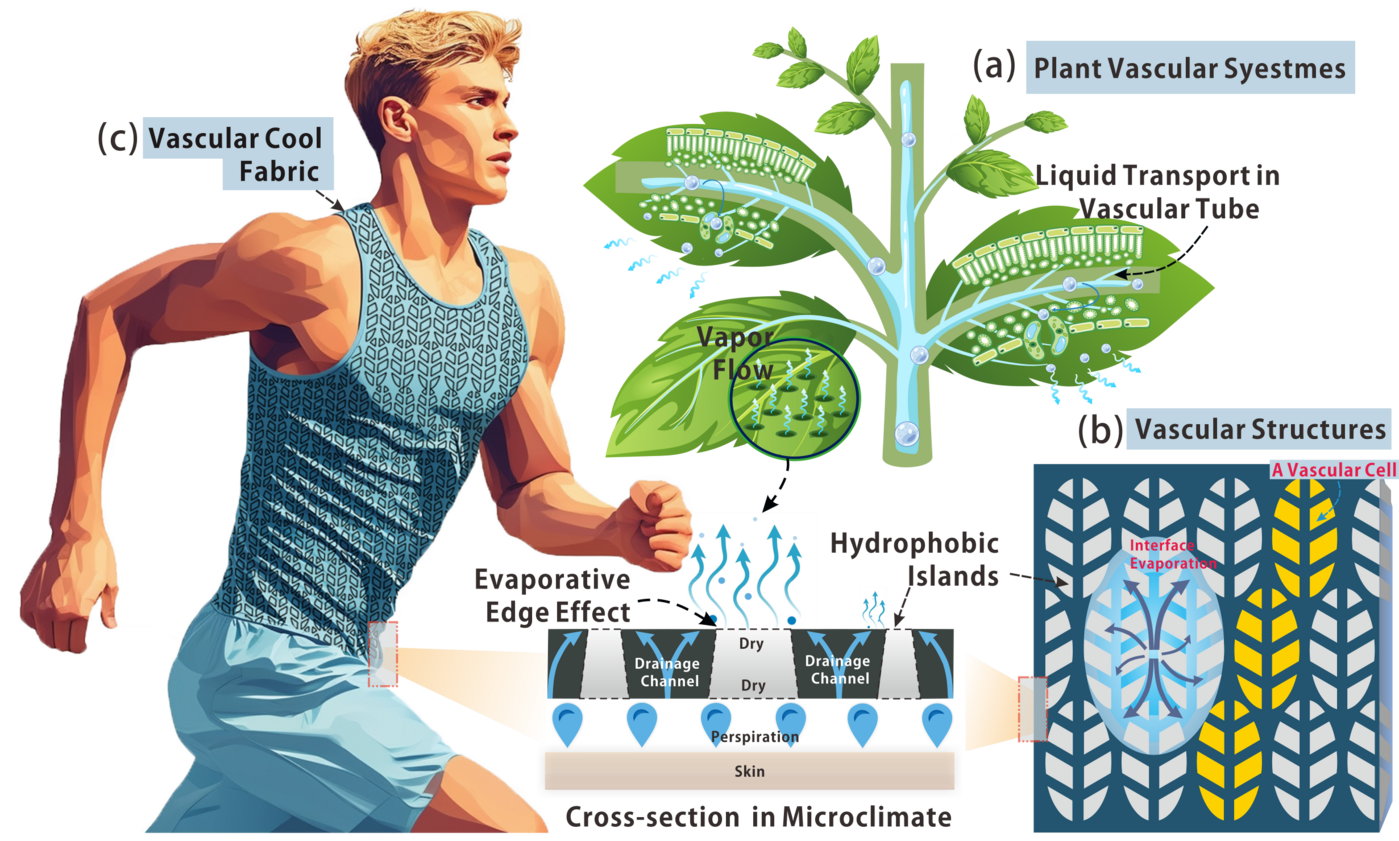
Figure 1. Schematic illustration of the mechanism behind the vascular cool fabric
Instead of making the whole fabric uniformly absorbent, the novel fabric uses a biphilic surface: some regions are hydrophilic and attract water, while others are hydrophobic and repel it (Figure 2a). Sweat is guided through the hydrophilic channels, while the hydrophobic "islands" remain relatively dry. This structure allows sweat to spread across the garment without saturating the entire surface.
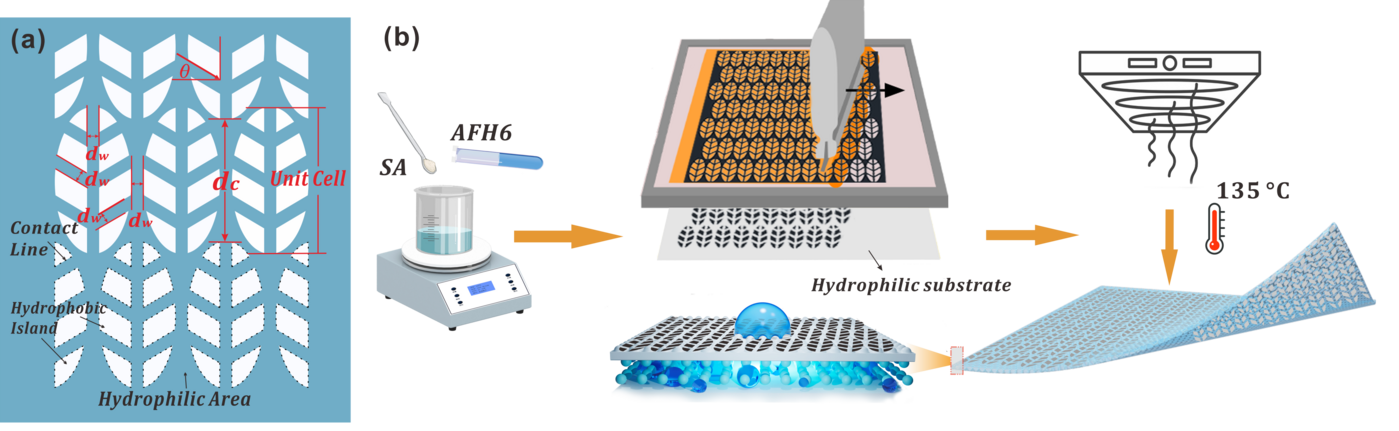
Figure 2. Characterisation and fabrication of the vascular pattern in fabric
A key mechanism behind the design is the evaporative edge effect. Evaporation is especially efficient at the boundary between wet and dry areas, where the vapour concentration gradient is steeper. By creating many wet–dry interfaces, the vascular pattern increases the effective evaporation edge, improving evaporation efficiency without requiring the whole fabric to become wet.
Optimised Vascular Design
The vascular cool fabric was produced using a screen-printing process (Figure 2b). A hydrophobic sol–gel mixture was selectively printed onto hydrophilic fabric, leaving vein-like wicking channels uncoated. This created a clear dissimilarity between water-attracting and water-repelling regions in the treated fabric. The wicking channels were highly hydrophilic, with contact angles of ≤5°, meaning water spread rapidly through them. The coated islands were hydrophobic, with contact angles of ≥120°, helping them resist wetting and reduce next-to-skin stickiness. According to the test subjects' feedback on their wearing experience, the treated fabric with biphilic properties exhibited essentially the same hand feel and surface texture as the original fabric.
The team optimised three main design parameters: the branch angle, branch width and vertical distance between vascular units. The best-performing pattern used a 33° branch angle, 4 mm wicking branch width and 34 mm vertical wicking distance. This configuration balanced fast lateral spreading with efficient upward wicking.
The 33° branch angle was particularly important. Because knitted fabrics wick liquid at different speeds along their length and width, the orientation of the branch channels directly affects how quickly liquid spreads across the fabric. The optimised angle provided the best balance between longitudinal continuity and lateral dispersion, enabling the fastest expansion of the wet surface.
The 4 mm width enabled smooth and continuous liquid propagation. Channels that were too narrow could temporarily trap liquid and slow lateral movement, while overly wide channels lacked sufficient capillary pressure, diminishing the forward drive of the droplets in the saturated fibre yarn.
54.2% Higher Evaporation Per Wet Area
In sweat management testing, the optimised vascular pattern demonstrated clear advantages under heavy sweating conditions. Although the fabric used only around 62–63% of its surface as wet area, it achieved substantially improved evaporation performance. Compared with a fully wet pristine polyester fabric, the optimised vascular cool fabric delivered a 54.2% higher evaporation rate per unit wet area and improved 18% in drying efficiency.
Compared with other pattern configurations of identical hydrophilic area ratio, the vascular design also demonstrated superior performance in real-time sweat transport and evaporation. Its effectiveness originated from the vein-inspired geometry, which combines a favorable span-to-diameter ratio with a higher unit-area contact line density. These structural advantages facilitated rapid capillary wicking along the vein-like channels and intensified evaporation at the extended wet–dry boundaries, thereby outperforming alternative designs.
Importantly, the approach was not limited to one textile substrate. The same vascular pattern was applied to different fabrics, including one-way moisture transport fabric, super-hydrophilic polyester and cotton blends. Across these substrates, the treated fabrics showed an average 1.7-fold increase in evaporation capacity compared with their pristine versions, supporting the versatility of the design for sportswear applications.
Wash durability was also considered. Suitable polyester substrates retained their biphilic performance for over 20 cycles, while cotton fabrics demonstrated even greater robustness, sustaining effective performance through more than 40 laundering cycles. Super-hydrophilic substrates were especially effective in preserving the long-term wicking function of the vascular channels.
Human Wear Trials in Heat and Humidity
To evaluate real-world comfort, the team first conducted human wear trials in a hot and humid environment of 30 °C and 65% relative humidity. Participants wore T-shirts made from the vascular-patterned fabric and from the control fabric during exercise and recovery.
The vascular T-shirt consistently maintained a cooler and drier skin microclimate, with measurable reductions in both skin temperature (up to 0.208 °C) and humidity (up to 2.7% RH). Sweat accumulation data further confirmed the benefits. Compared with the control group, the vascular-patterned T-shirt showed 15% less sweat accumulation at the end of experiment. Infrared imaging also revealed reduced sweat adhesion: wet fabric clinging to the body disappeared around 10 minutes earlier in the vascular group during the resting stage (Figure 3).
These physiological improvements translated into pronounced perceptual benefits: during recovery, the vascular fabric improved dampness sensation by 13.6%, reduced stickiness by 18.2% and reduced stuffiness by 21.4%. Overall comfort improved by 24.1% by the end of the test.
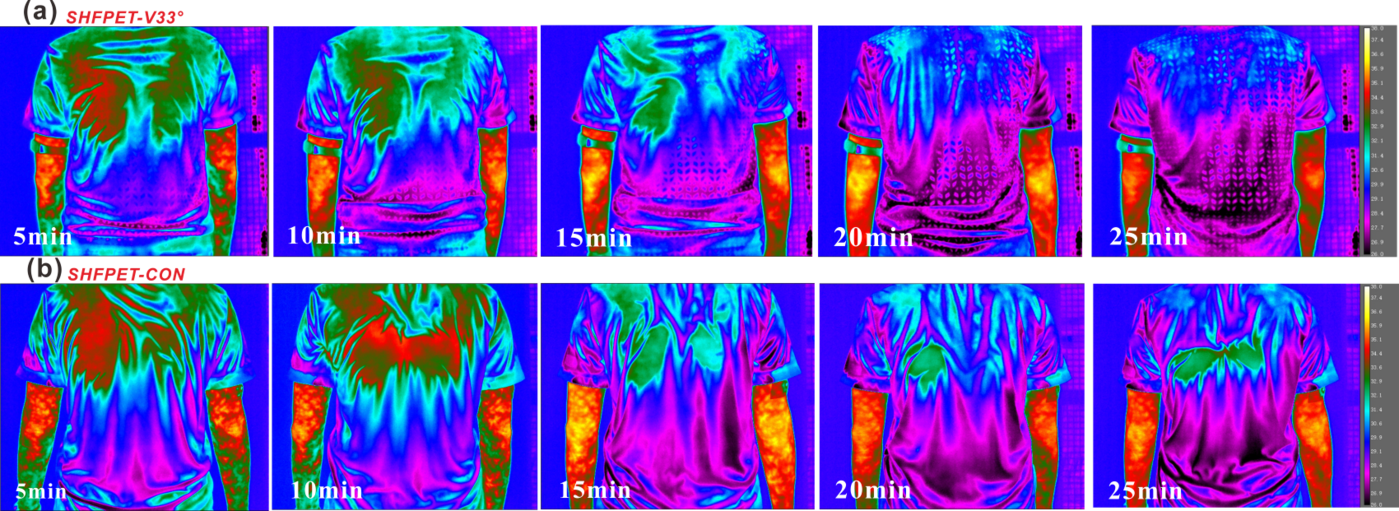
Figure 3. Infrared images of back-side wetting in (a) the vascular-patterned T-shirt and (b) and the control fabric T-shirt during resting. The red-green areas indicate the sweat distribution.
The performance of vascular cool sportwear was also validated under neutral thermal conditions (25 °C, 65% RH). Controlled tests showed that vascular cool fabric sustained efficient sweat management, whereas the control fabric tended to form a continuous liquid film on the skin in human wear trials. This film increased fabric thermal conductivity, leading to a more pronounced damp–cold discomfort response during rest and a sharper skin temperature drop under 32.5 °C (a threshold close to the skin’s thermal comfort zone, where deviations either higher or lower can cause discomfort).
The study finally found a strong relationship between sweat accumulation and perceived discomfort. Sweat accumulation accounted for 87.4% of the variance in overall comfort perception, highlighting that comfort under heavy perspiration depends not only on heat dissipation, but also on how much residual moisture remains on the skin and in the garment.
This study presents a promising biomimetic strategy for next-generation thermoregulatory sportswear. By mimicking leaf vascular networks, the vascular cool fabric guides sweat through hydrophilic channels while keeping part of the garment surface dry. The resulting wet–dry interfaces enhance evaporation through the edge effect, while the reduced wet area helps minimise stickiness, dampness and clammy discomfort. Notably, this design is compatible with common textile processes and multiple fabric substrates, giving it strong potential for future sportswear, outdoor apparel and occupational heat-protection applications.
Prof. Fan was recognised by Stanford University as one of the top 2% most-cited scientists worldwide (career-long) in the field of materials and polymers in for six consecutive years, from 2020 to 2025, and one of the top 2% most-cited scientists worldwide (single-year) for seven consecutive years, from 2019 to 2025. He is a renowned expert in the field of fashion and textiles. In recognition of his contributions to the field, he was honoured with the Morgan Sesquicentennial Fellow from Cornell University, the Honorary Fellow of The Textile Institute in 2010, which is the highest honour within the Institute for creativity and advancement of knowledge, and the Distinguished Achievement Award from the US-based International Fibre Society in 2003. His outstanding research and innovations have earned him numerous prestigious awards, including the Warner Memorial Medal from The Textile Institute in 2016 and a Gold Medal at the 32nd International Exhibition of Inventions of Geneva in 2004. Prof. Fan has a prominent international standing in the field and served as the President of the US-based International Fibre Society in 2018, the Director of the Shanghai International Fashion Innovation Centre from 2016 to 2019 and the Chairman of the Hong Kong Institution of Textiles and Apparel from 2019 to 2022.
| References |
|---|
[1] Wu, Y., Pu, Y., Shahzad, A., Zhang, H., Yuan, L., Kang, Z., Fan, J. Leaf Vascular Patterned Fabric for Advanced Liquid Sweat Management. Advanced Functional Materials 36, no. 13 (2026): e13020. https://doi.org/10.1002/adfm.202513020
 | Prof. Jintu FAN Chair Professor |