Revolutionising Building Cooling: Award-Winning AI Delivers Major Energy Savings
Other Articles

How AI is Transforming the Management of Large Building Cooling Systems
Study conducted by Prof. Fu XIAO  and her research team
In the era of smart buildings, the quest for energy efficiency and carbon reduction has never been more urgent. Cooling systems, particularly in large commercial buildings such as offices, hotels and on university campuses, are notorious for their high energy consumption, especially in hot and humid regions like Hong Kong, where they can account for more than half of a building's total electricity usage. As cities strive towards carbon neutrality, the integration of artificial intelligence (AI) into building management systems is emerging as a game-changer. The ability of AI to process vast streams of data and predict future cooling demands and the performance of a building's energy systems allows it to make real-time, optimised decisions, which offers a promising path to smarter, greener and more cost-effective cooling solutions.
One of the latest breakthroughs in this field comes from a research team led by Prof. Fu XIAO, Associate Dean of the Faculty of Construction and Environment and Professor of the Department of Building Environment and Energy Engineering at The Hong Kong Polytechnic University (PolyU). The team's AI-empowered digital twin platform for smart energy management has recently been awarded a Gold Medal at the International Exhibition of Inventions Geneva 2025. This accolade acknowledges not only the technical innovation but also the real-world impact of the solution, which has demonstrated substantial energy savings and operational improvements in various large buildings.
Writing in Energy & Buildings [1], Prof. Xiao addressed the limitations of conventional cooling system controls, which typically rely on fixed rules or single-horizon predictions. Such approaches often fail to adapt to the complex and dynamic nature of building cooling demands, leading to unnecessary energy wastage and suboptimal performance. The award-winning AI system introduces a dual-horizon load prediction strategy, leveraging both day-ahead and hour-ahead forecasts to optimise the operation of central cooling plants with multiple chillers. By combining ensemble learning and automatic machine learning (AutoML), the system generates highly accurate, probabilistic predictions of cooling loads, enabling more robust and adaptive control decisions.
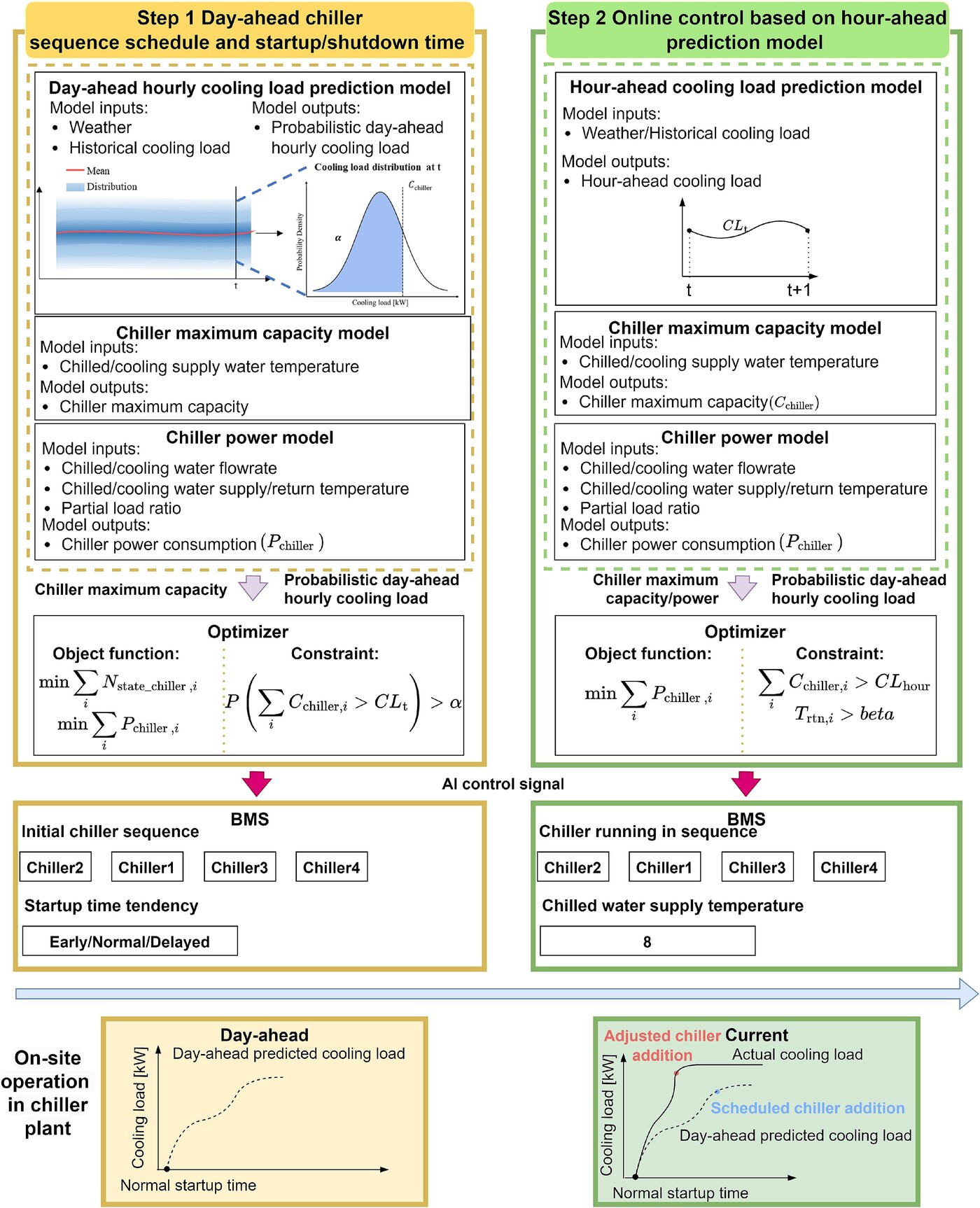
Figure 1. The proposed control strategy based on day-ahead and hour-ahead load prediction
Unlike traditional systems that might only rely on single-horizon predictions or fixed control rules, this AI solution uses a hierarchical approach (Figure 1). Day-ahead forecasts, based on predicted weather, occupancy and historical data, determine the chiller sequence and the morning start-up time for the entire plant. Hour-ahead predictions, combining real-time data with updated weather forecasts, fine-tune the start and stop times of each chiller and adjust chilled water temperatures. This dual-horizon method ensures that both long-term trends and short-term fluctuations are captured, ensuring more stable and efficient system performance.
Supported by the Electrical and Mechanical Services Department (EMSD), the proposed system has been implemented in a high-rise government office building in Hong Kong. The building's cooling system comprises multiple chillers serving both high and low zones, with a sophisticated network of pumps and heat exchangers. Originally, the chiller plant operated on a fixed schedule, starting in the morning and shutting down after office hours. Individual chillers were turned on or off during the day based on the engineers' experience, considering weather and key indicators such as water temperature. The chilled water temperature itself was fixed and not adjusted.
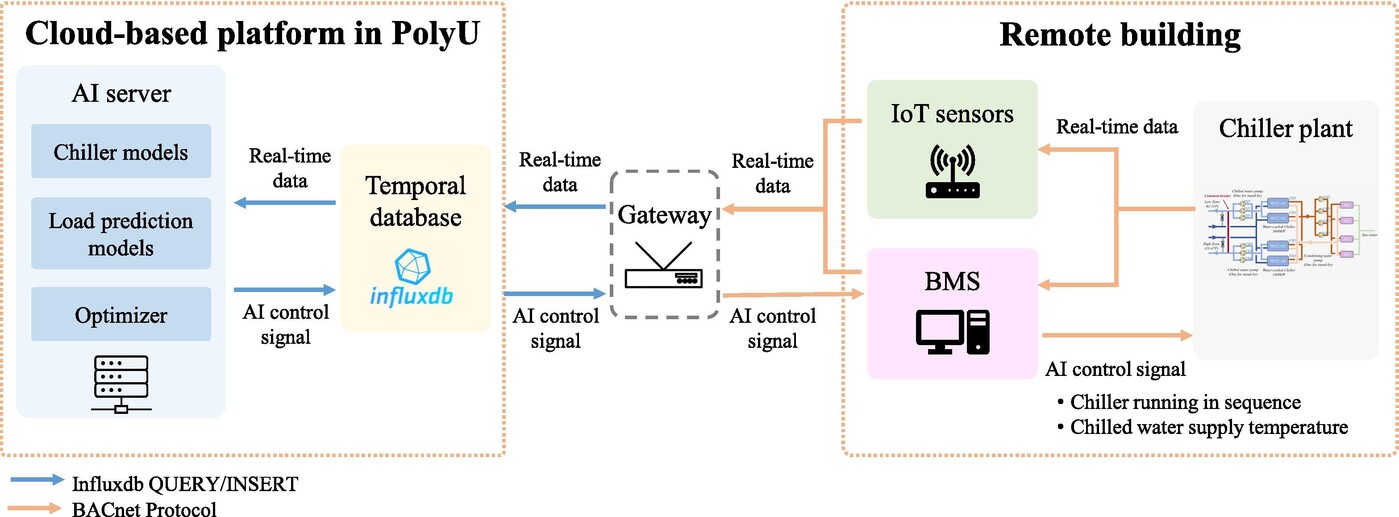
Figure 2. Cloud-based platform implementation
The AI control strategy was deployed via a cloud-based platform, which interfaced with the existing building management system (BMS) using the BACnet protocol—a widely adopted standard for building automation (Figure 2). This setup allowed for seamless data collection, real-time monitoring and AI-driven optimisation, while also maintaining compatibility with the existing BMS infrastructure. Operational data from the BMS were collected at 15-minute intervals and systematically stored for easy access and analysis.
A key innovation of the system is its use of ensemble learning and AutoML to develop robust prediction models. Multiple data-driven models are trained independently, each capturing different aspects of the building's thermal behaviour and operational patterns. By combining these models, the AI can improve prediction accuracy and estimate uncertainty, enabling it to make more informed and flexible optimisation decisions. For example, the day-ahead load forecast model uses historical cooling load data, day-ahead weather forecasts and day-of-week variables to generate a probabilistic estimate of the next day’s cooling demand. The hour-ahead load forecast model uses recent operational data and updated weather forecasts to provide precise short-term cooling demand forecasts, enabling real-time adjustments to system settings.
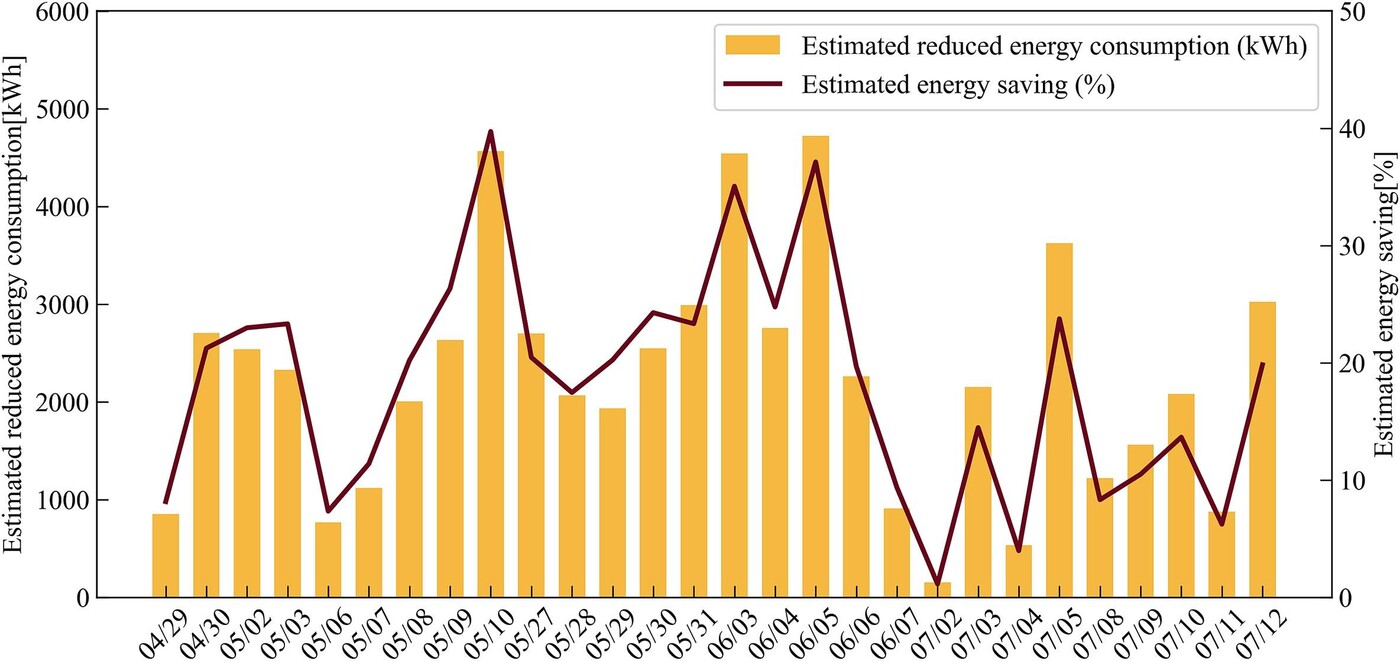
Figure 3. Comparison of performance for the on-site test
The performance of the AI-enabled control strategy was rigorously validated through a six-week on-site test during the transition season and early summer (Figure 3). Achieving an average energy saving of 18.4%, the system outperformed conventional rule-based controls, with daily savings ranging from 1.1% to nearly 40%. On a typical test day, the power consumption of the chillers was reduced by up to 21%, and the coefficient of performance (COP) of the chiller plant increased by as much as 47%. These improvements were achieved without compromising thermal comfort, as the system dynamically adjusted to meet real-time cooling demands.
Detailed analysis of the test data revealed several key benefits. First, the AI system was able to reduce unnecessary chiller switching by accurately predicting when additional capacity would be needed, thus avoiding the energy wastage associated with frequent start-ups and shutdowns. Second, by optimising the chilled water supply temperature in response to predicted loads, the system improved the efficiency of the chillers. For every 1°C increase in chilled water supply temperature, the chillers achieved energy savings of approximately 3% under ideal conditions while the overall chiller plant saved about 1%.
The underlying machine learning models demonstrated high accuracy in both cooling demand and energy system performance predictions. The day-ahead cooling load prediction model achieved a mean absolute percentage error (MAPE) of 16.2%, while the hour-ahead model reached a MAPE of just 2.2%. Chiller power models, trained using AutoML, delivered prediction errors as low as 1.5% for some chillers. The system also incorporated models to estimate the maximum capacity of each chiller under varying operating conditions, ensuring that control decisions were both reliable and responsive to real-world uncertainties.
One of the most significant outcomes of the project was its demonstration of practical, scalable AI deployment in existing buildings. The cloud-based implementation required only minor modifications to the BMS and could be rapidly deployed to other sites with similar infrastructure. This rapid deployment capability is crucial for accelerating the adoption of AI-enabled energy management across the building sector.
The implications of these results are far-reaching. With buildings responsible for over a third of global energy consumption and carbon emissions, the widespread adoption of AI-enabled control strategies could play a pivotal role in achieving sustainability targets. The demonstrated energy savings translate not only into reduced operational costs but also significant reductions in greenhouse gas emissions. Moreover, the system’s adaptability means it can respond to variable weather patterns, occupancy levels and equipment conditions, future-proofing building operations in an increasingly dynamic environment.
Beyond its implementation in the government office building, the same AI technology has been successfully applied to other large-scale cooling systems. For example, in a recent project supported by the PolyU Carbon Neutrality Funding Scheme, the AI-enabled strategy was deployed in the chiller plant at PolyU. This study, published in Applied Energy [2], shows that the system reduced the average daily number of chiller switches by 56.5%, achieved daily energy savings of approximately 3,945 kWh and improved the chiller plant's COP by 4.2%. These results further underscore the robustness and generalisability of the approach, highlighting its potential for mass deployment in diverse building types.
The award-winning dual-horizon prediction strategy not only delivers impressive energy savings but also sets a new benchmark for operational reliability and scalability. As the technology continues to evolve and expand to new applications, it promises to be a cornerstone of the next generation of smart buildings.
Prof. Xiao was recognised by Stanford University as one of the top 2% most-cited scientists worldwide (career-long) in the field of building environment and design for five consecutive years, from 2021 to 2025, and one of the top 2% most-cited scientists worldwide (single-year) for seven consecutive years, from 2019 to 2025. She has been working closely with EMSD to promote AI adoption in the industry, serving as an Organising Committee member for the 1st Global AI Challenge in E&M Facilities and as a judge for the 2nd Challenge, organised by EMSD. She is the recipient of numerous Highly Cited Paper Awards, including the 2024 Highly Cited Paper Award from Advances in Applied Energy and 2023 Highly Cited Papers Award from Building Simulation, both top journals in the field. She was awarded Fellow of ASHARE (American Society of Heating, Refrigerating and Air-Conditioning Engineers) in February 2025. She received an ASHRAE Technology Award 2014 (Honourable Mention – New Commercial Buildings). She also won the Creation Prize "Intelligent Building Life-Cycle Diagnosis and Optimisation for Enhanced Energy Efficiency" at the China International Industry Fair 2010. Prof. Xiao's work has secured her over 30 competitive research grants, as project PI or Co-PI, worth more than HK$36 million. The research outcomes from these projects were applied to numerous existing and new buildings and achieved significant energy savings.
| References |
|---|
[1] Xiao, Z., Zhang, J., Xiao, F., Chen, Z., Xu, K., So, P.M. & Lau, K.T. (2025). An AI-enabled optimal control strategy utilizing dual-horizon load predictions for large building cooling systems and its cloud-based implementation, Energy and Buildings, Volume 330, 2025, 115352, ISSN 0378-7788, https://doi.org/10.1016/j.enbuild.2025.115352.
[2] Chen, Z., Zhang, J., Xiao, F., Xu, K. & Chen, Y. (2025). Development of a probabilistic cooling load prediction-based robust chiller sequencing strategy and its real-world implementation, Applied Energy, Volume 382, 2025, 125213, ISSN 0306-2619, https://doi.org/10.1016/j.apenergy.2024.125213.
 | Prof. Fu XIAO Associate Dean, Faculty of Construction and Environment |