
PolyU forges strategic partnerships with HIT and TJU to drive national development and innovation
Building on its unwavering commitment to serving national development and advancing educational innovation, PolyU has achieved new milestones in cross-border higher education and research. The establishment of two joint institutes with leading Chinese Mainland institutions in Shenzhen demonstrates how PolyU is extending its educational reach beyond Hong Kong through university partnerships, while combining complementary academic strengths to nurture future talent and contribute to the Nation’s innovation ecosystem.
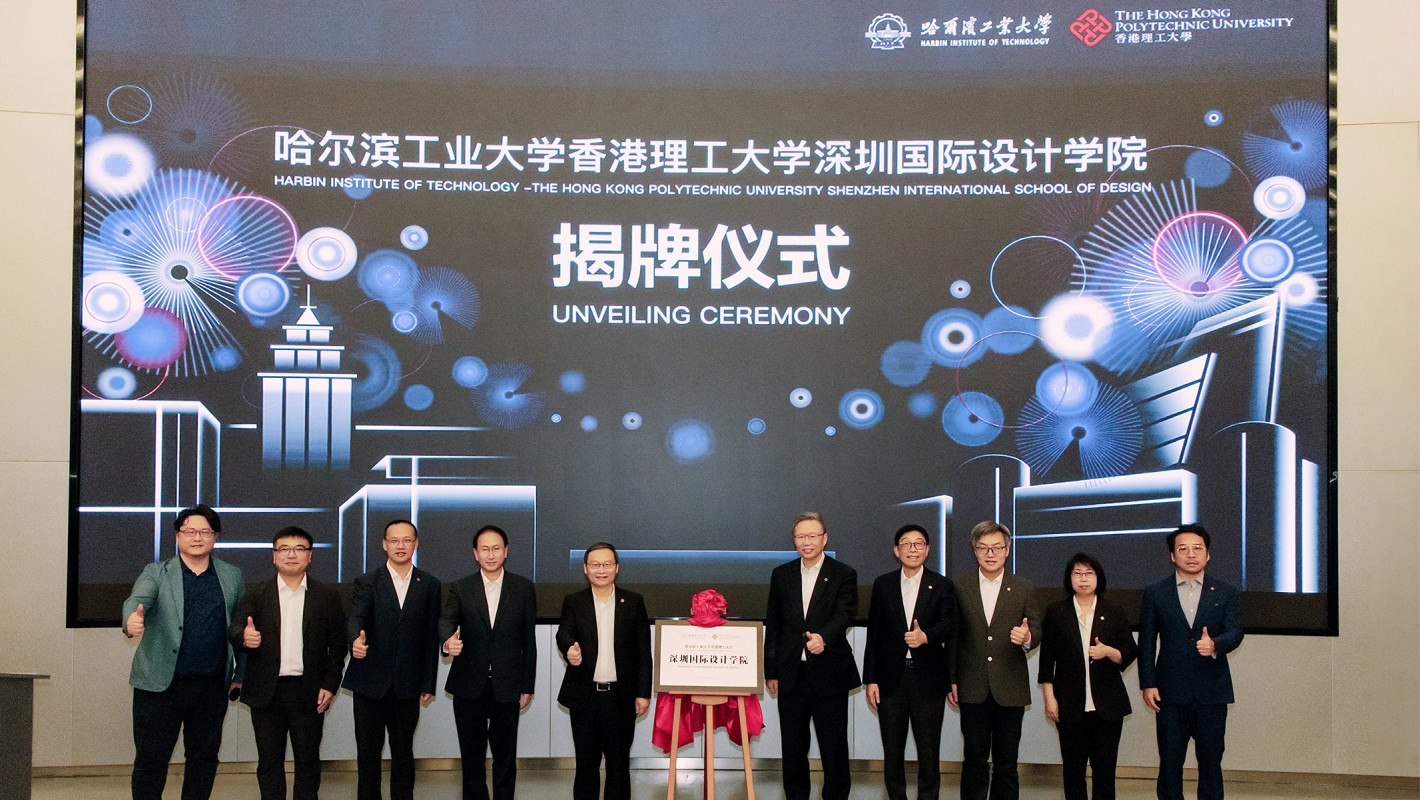
A landmark highlight of this momentum is the joint establishment of the Harbin Institute of Technology – The Hong Kong Polytechnic University Shenzhen International School of Design (SISD) and the Future Design Joint Research Centre, officially launched at the Harbin Institute of Technology (HIT) Shenzhen campus on 24 September 2026. Approved by the Ministry of Education, SISD brings together PolyU’s internationally recognised expertise in design education and research with HIT’s strengths in engineering and technology. Reflecting this strength, PolyU was ranked 1st in Hong Kong and 24th globally for Art & Design in the QS World University Rankings by Subject 2026. Harnessing this academic excellence alongside HIT's engineering prowess, SISD is dedicated to cultivating future-ready, cross-disciplinary talents equipped with innovative design thinking and cutting-edge technical literacy.
“This partnership is built on our shared vision for education and development, and reflects a common commitment to serving national development, advancing educational innovation and nurturing future talent,” said Professor Jin-Guang Teng, President of PolyU. He emphasised that these collaborative platforms will serve as vital vehicles for deepening synergistic innovation, accelerating the integration of industry, academia, and research, and providing a model for deeper education and research collaboration across the Guangdong-Hong Kong-Macao Greater Bay Area (GBA). Professor Han Jiecai, President of HIT, noted that the joint initiatives will enhance the cross-disciplinary fusion of engineering technology and design innovation, injecting new momentum into both universities as they advance toward world-leading status.
Set to begin its master’s degree programmes in the 2027/28 academic year at the HIT Shenzhen campus, SISD will offer jointly delivered programmes that combine the strengths of both universities and lead to qualifications awarded by both institutions. Concurrently, the Future Design Joint Research Centre will focus on interdisciplinary research at the intersection of design, technology and society, supporting national innovation-driven development.
Complementing this initiative in the Greater Bay Area is PolyU’s collaboration with Tianjin University (TJU). On 20 September 2026, the Tianjin University – The Hong Kong Polytechnic University Shenzhen Institute of Future Technologies (SIFT) held its inaugural ceremony at the International Campus of University Town of Shenzhen. Approved by the Ministry of Education, the Institute focuses on key future industries identified as national priorities. Drawing on the complementary strengths of both universities and Shenzhen’s dynamic innovation ecosystem, the Institute promotes interdisciplinary learning and industry-academia collaboration to prepare students for emerging technology sectors.
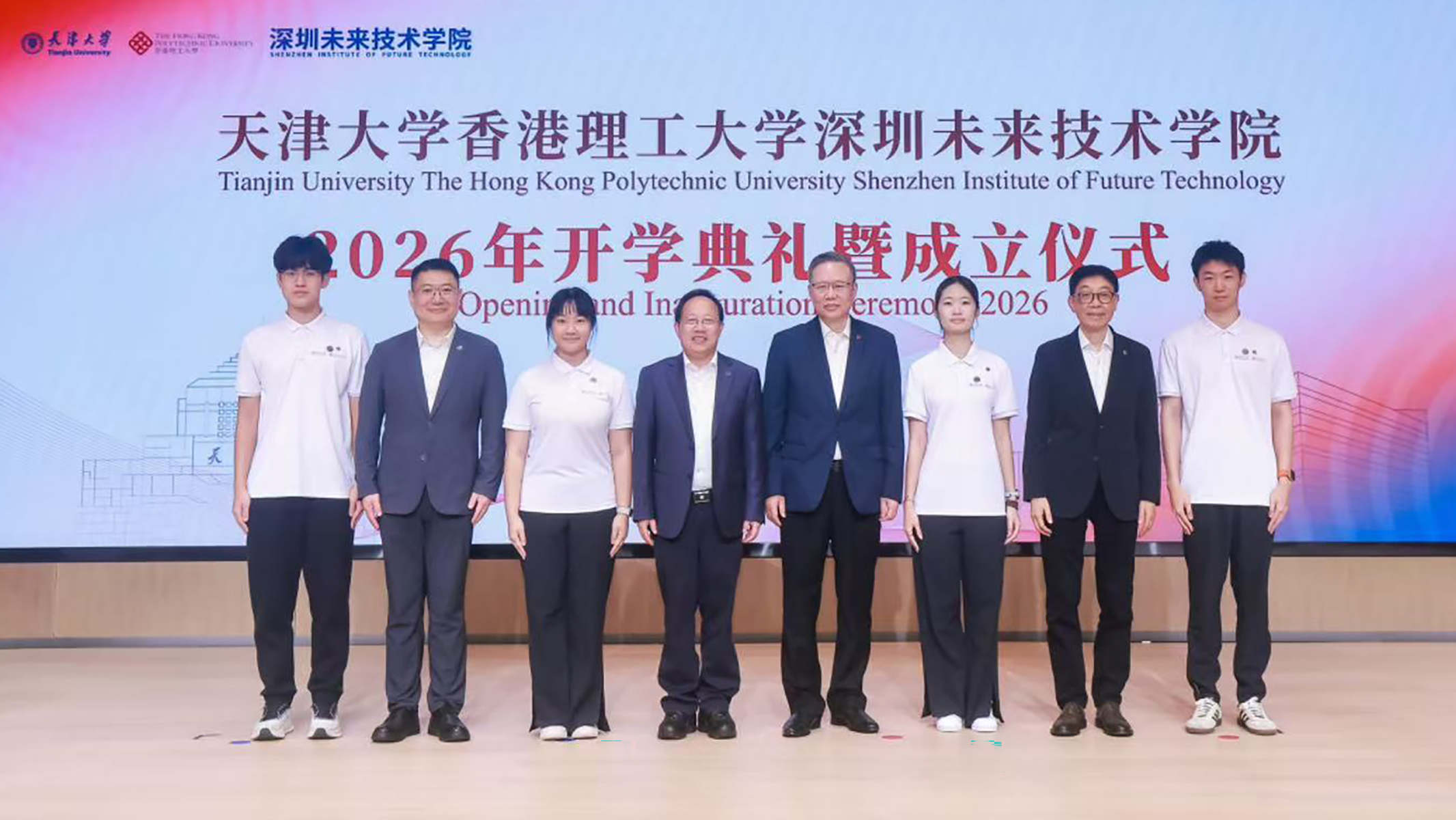
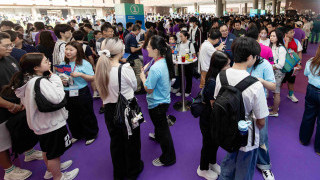
Student representatives received the badges of both universities during the inauguration ceremony of the Tianjin University – The Hong Kong Polytechnic University Shenzhen Institute of Future Technologies, symbolising the joint commitment of the two institutions to nurturing future innovation talent.
Offering a dual-registration and dual-degree arrangement, the Institute welcomed its first cohort of 102 undergraduate students for the 2026/27 academic year, establishing another critical bridge for sharing high-quality educational resources and nurturing pioneering talent for the Nation. By bringing together the educational resources, research strengths and international networks of both universities, the Institute aims to nurture future innovators equipped with global perspectives, social responsibility and the skills needed in the AI era.
Together, these joint institutes represent significant examples of PolyU extending its educational reach beyond Hong Kong through cross-border university collaboration, while helping to connect Hong Kong’s academic strengths with national development priorities. By fostering talent, advancing innovation and promoting cross-border collaboration, the University is contributing to the future development of the Greater Bay Area and the Nation.