Artificial intelligence (AI) has made it easier than ever to create realistic‑looking falsified photos, videos, and audio recordings involving staff and students—known as deepfakes. These altered / generated pieces of content can make it appear as though someone said or did something that never happened.
It’s important to recognize what deepfakes are, how they circulate, and the steps you can take to safeguard your personal data and reputation.
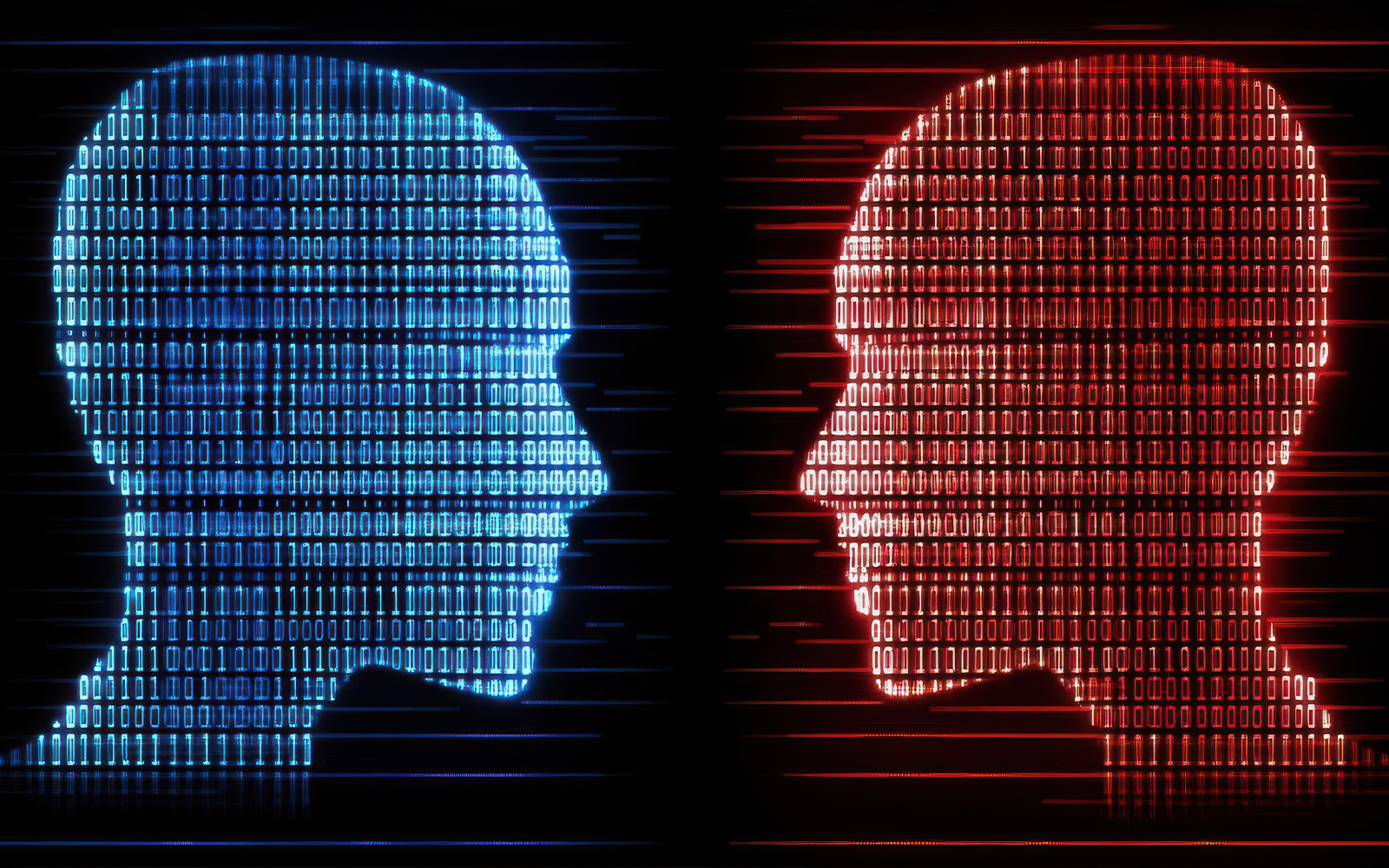
Common Types of Deepfakes:
1. Face Swapping
Replacing one person’s face with another in photos or videos.
2. Face Generation
AI‑generated faces of people who don’t actually exist in photos or videos.
3. Face Re‑enactment (Puppetry)
Copying someone’s expressions or lip movements onto another person's face.
4. Lip Syncing
Matching a person’s lip movements to altered or fake audio to make it seem like they said something they didn’t.
5. Voice Cloning
AI-generated voice recordings that sound similar to a real person.
Legal and Privacy Implications of Deepfakes under the Personal Data (Privacy) Ordinance
Using personal data—such as someone’s photos, videos, or recorded audio—to create deepfakes is regulated under Hong Kong’s Personal Data (Privacy) Ordinance (PDPO). The same laws that apply in the physical world also apply in digital environments.
Using personal data without consent for deepfake creation or sharing may breach:
- Data Protection Principle 3 – using data beyond its original purpose.
- Data Protection Principle 1 – collecting data in an unfair or unlawful way.
How to Protect Yourself
✓ Be mindful of what you share
- Avoid posting close‑up portraits or high‑resolution photos publicly.
- Think twice before sharing videos or audio recordings online.
✓ Strengthen your privacy settings
- Keep your social media accounts private.
- Limit who can view or download your content.
✓ Verify before trusting
- If you receive a suspicious audio or video message, contact the person directly through another method.
- Look for signs of distortion, odd blinking, unnatural facial expressions, robotic tones, or mismatched lighting.
✓ Speak up
- If you suspect a deepfake involving you or a classmate/colleague, notify a teacher/supervisor or trusted adult immediately.
- Do not share the content further.
✓ Stay informed
- Follow guidance, updates and information from the Government, the Office of the Privacy Commissioner for Personal Data (PCPD), the Police, or other reputable organizations regarding deepfakes.
If you need further information or assistance, please contact the IT Help Centre (Tel: 2766 5900, WhatsApp/ WeChat: 6577 9669) or reach out to us via the IT Online ServiceDesk.