
Largest-ever Chinese Mainland Service-Learning initiative empowers Yunnan
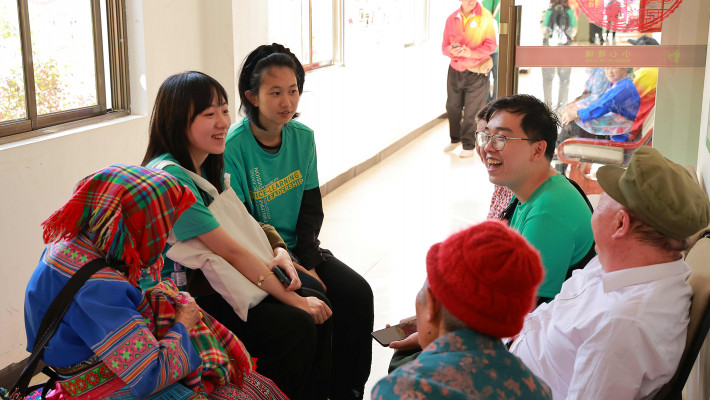
Instead of just taking a break this summer, PolyU students are stepping out of the classroom and into the heart of communities to make a real, personal difference. Through the University’s signature Service-Learning programme, they have the chance to spend their summer months meaningfully, turning what they learn in lectures into experiential, compassionate solutions. This deeply rewarding journey is central to PolyU’s holistic education, helping students grow into socially responsible professionals who carry a global outlook and a genuine sense of national pride.
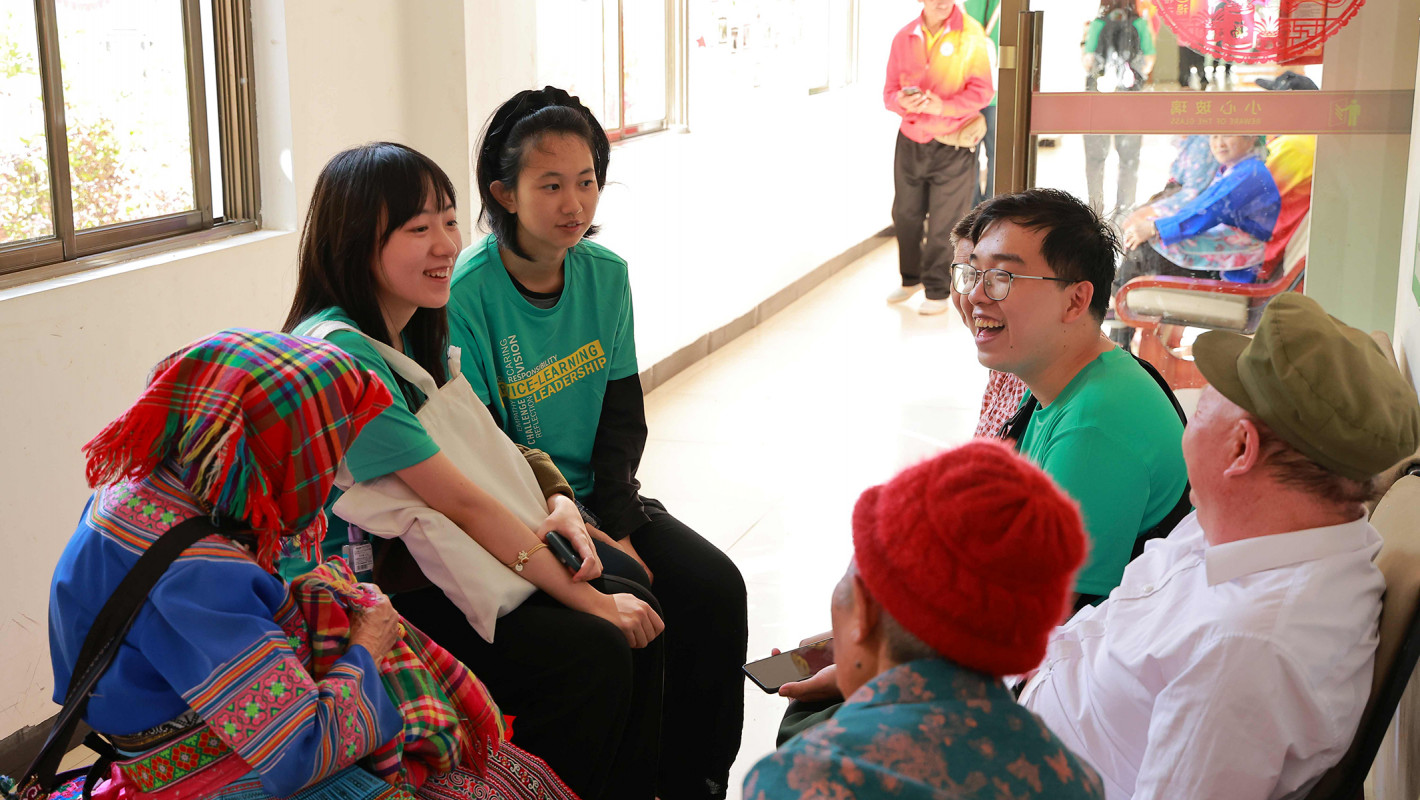
Supported by the People’s Government of Wenshan Prefecture and local charitable organisations, PolyU recently deployed its largest-ever Service-Learning initiative in Wenshan, Yunnan Province, from May to July. More than 400 students and staff members drove nine distinct projects, benefiting over 4,000 residents and injecting lasting vitality into the region.
Since establishing its Yunnan Service-Learning base in the 2023/24 academic year, PolyU has progressively expanded its local partnership network to align student services with community needs. To secure a long-term collaborative mechanism, the University signed strategic cooperation agreements with the Communist Youth League Committee of Wenshan Prefecture and the People’s Government of Malipo County.
Innovation and collaboration driving regional impact
This summer, six PolyU faculties and schools pioneered innovative projects across the region. Students from the Department of Computing (COMP) developed an artificial intelligence digital human platform for nursing home residents, utilising technology to recreate and preserve the precious life stories of the elderly. Meanwhile, the School of Hotel and Tourism Management (SHTM) deployed smart tools to help villagers formulate digital cultural tourism solutions, such as multimedia guides, turning local cultural resources into development momentum. In a vibrant fusion of tradition and modernity, the School of Fashion and Textiles (SFT) collaborated with local embroidery artists to integrate traditional Zhuang Embroidery into contemporary fashion, championing the innovative inheritance of intangible cultural heritage.
The Wenshan initiative delivered tangible benefits to grassroots communities by collaborating with 12 local organisations, including vocational institutions, primary and secondary schools, and village committees. Backed by the Ministry of Education’s “Ten Thousand People’s Scheme”, PolyU also engaged around 100 peers and staff from Yunnan University, Yunnan Minzu University, and Shenzhen University. This powerful synergy deepened cross-border youth exchanges and established a new collaborative model for talent cultivation.
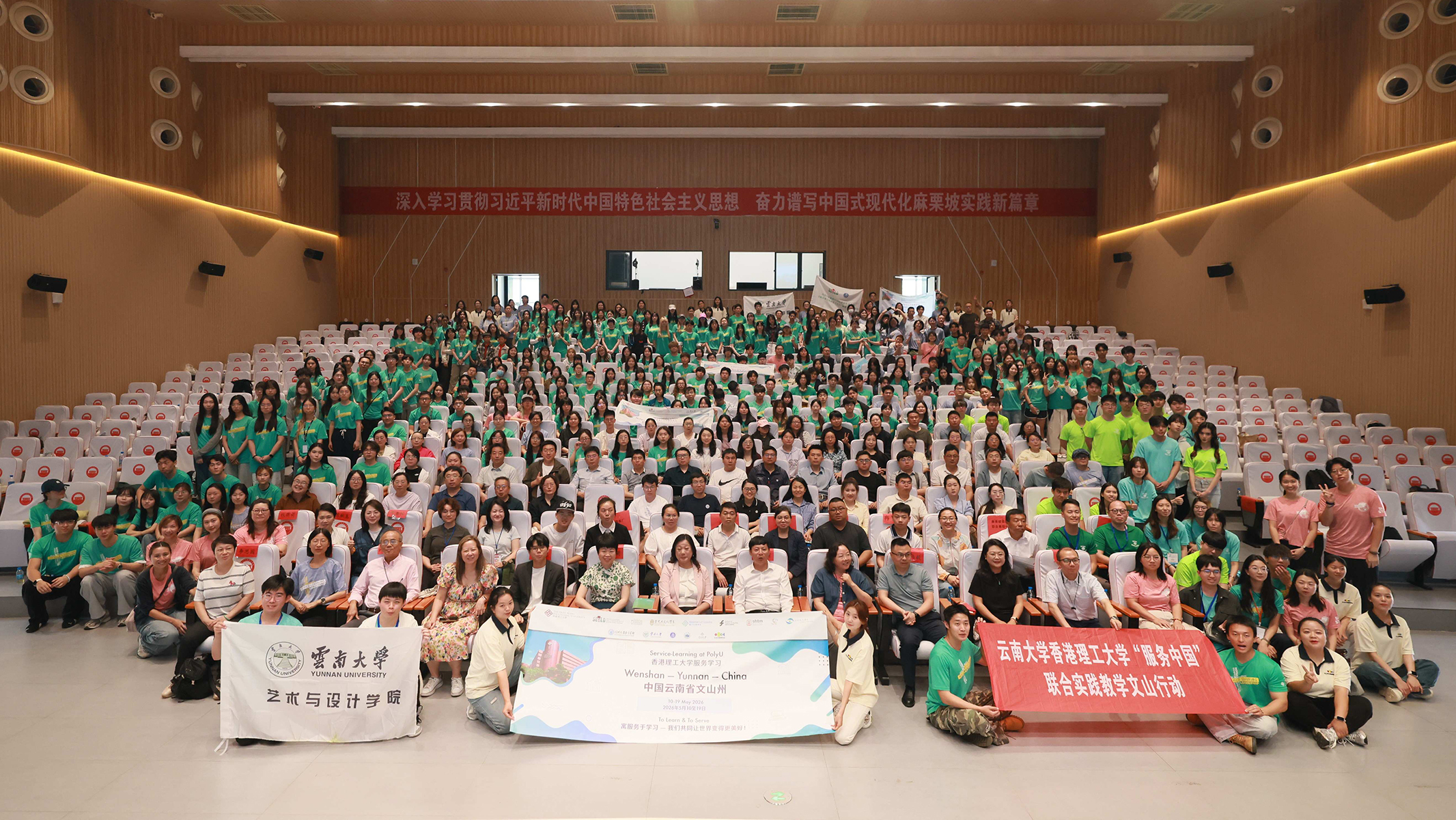
PolyU’s largest Service-Learning programme in Wenshan engaged over 400 participants in nine projects, benefiting more than 4,000 residents.
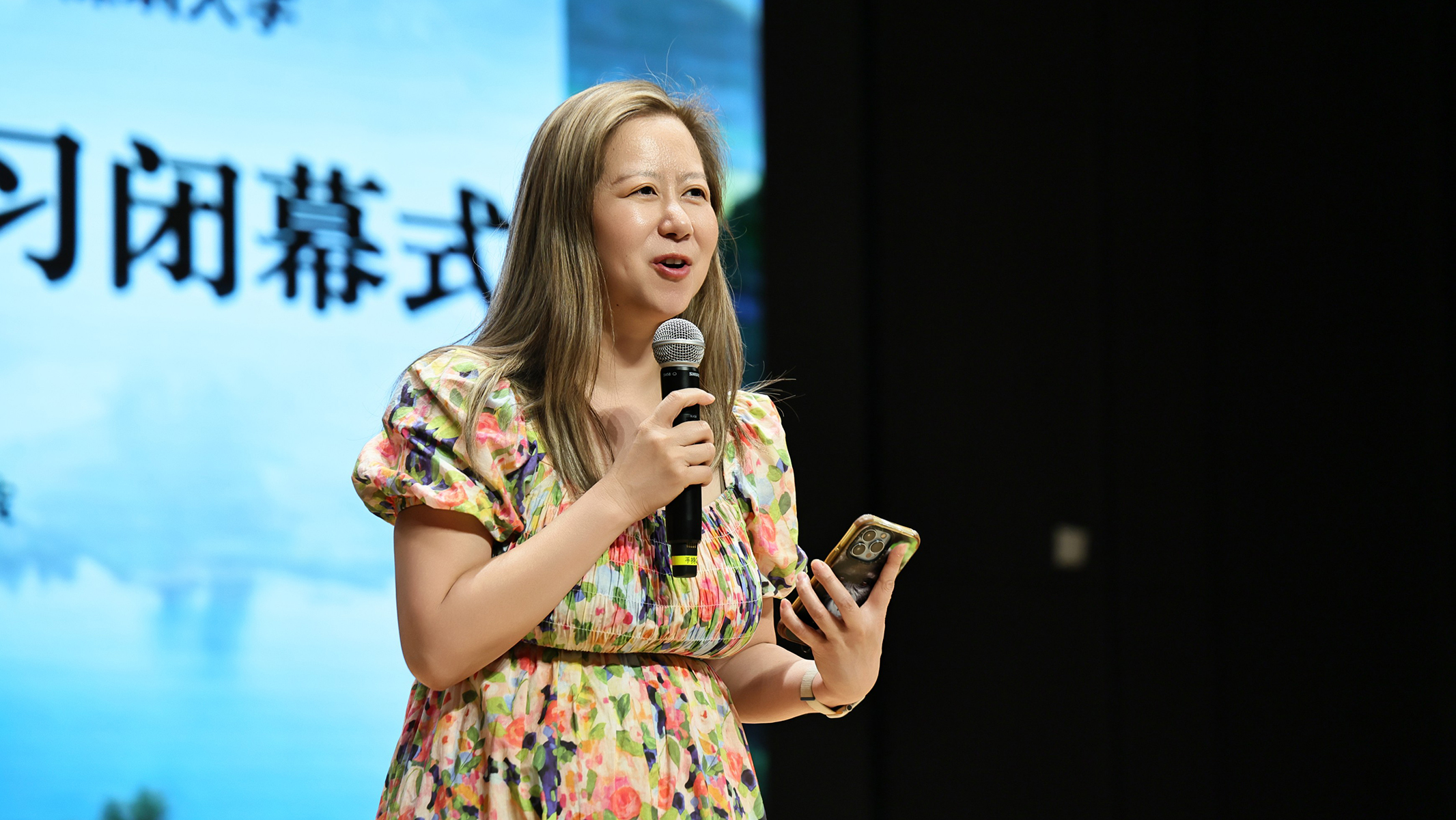
Prof. Grace Ngai noted that Service-Learning in the Chinese Mainland deepens students’ understanding of the Nation while fostering global citizenship and social responsibility.
A decade of Service-Learning shaping leadership and responsibility
Reflecting on this milestone, Professor Grace Ngai, Head of the Service-Learning and Leadership Office, remarked that PolyU has accumulated extensive Service-Learning experience in the Chinese Mainland, leaving footprints in remote villages and ethnic minority communities over the past decade. She stated, “This experience not only enriches our students’ learning and hones their skills and knowledge, but also enables them to gain a deeper understanding of the Nation, and to develop global citizenship and a strong sense of social responsibility.”
As the first Hong Kong institution to mandate Service-Learning within its undergraduate core curriculum, PolyU remains dedicated to societal care. Operating multiple bases across Hong Kong, the Chinese Mainland, Southeast Asia, and Africa, the University has seen over 50,000 students contribute more than two million service hours since 2012, exemplifying the true spirit of youth leadership.
Student voices: Bridging learning and human connection
Students also reflected on the impact of the programme in bridging academic learning with real-world application. Li Kwan-to, a Year 4 student from COMP, noted that the experience enabled him to translate classroom knowledge into tangible solutions for the elderly, making his learning experience both vivid and meaningful.
Echoing this sentiment, Fan Yanjun, a Year 2 student from the School of Accounting and Finance, described Service-Learning as a journey of genuine human connection. She expressed hope that this spirit of sincerity could be carried forward across generations, fostering deeper people-to-people bonds.
PolyU’s Service-Learning continues to demonstrate how education can extend beyond the classroom to create meaningful social impact. By integrating knowledge, innovation, and community engagement, the University is shaping future-ready graduates committed to both local and national development.
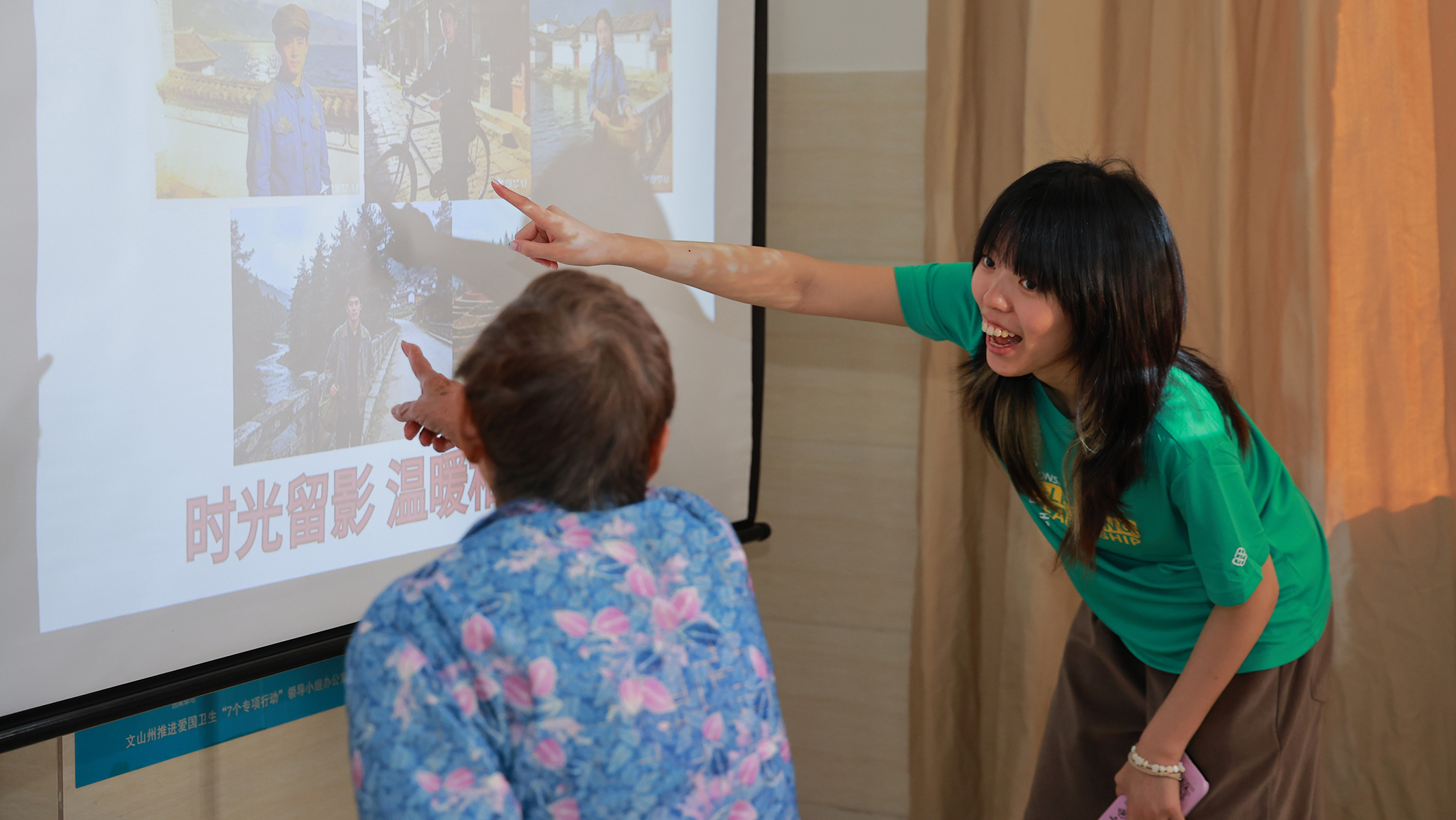
COMP students developed an AI digital human platform for elderly residents in a nursing home, aiming to recreate their memories and life experiences to preserve precious stories through technology.
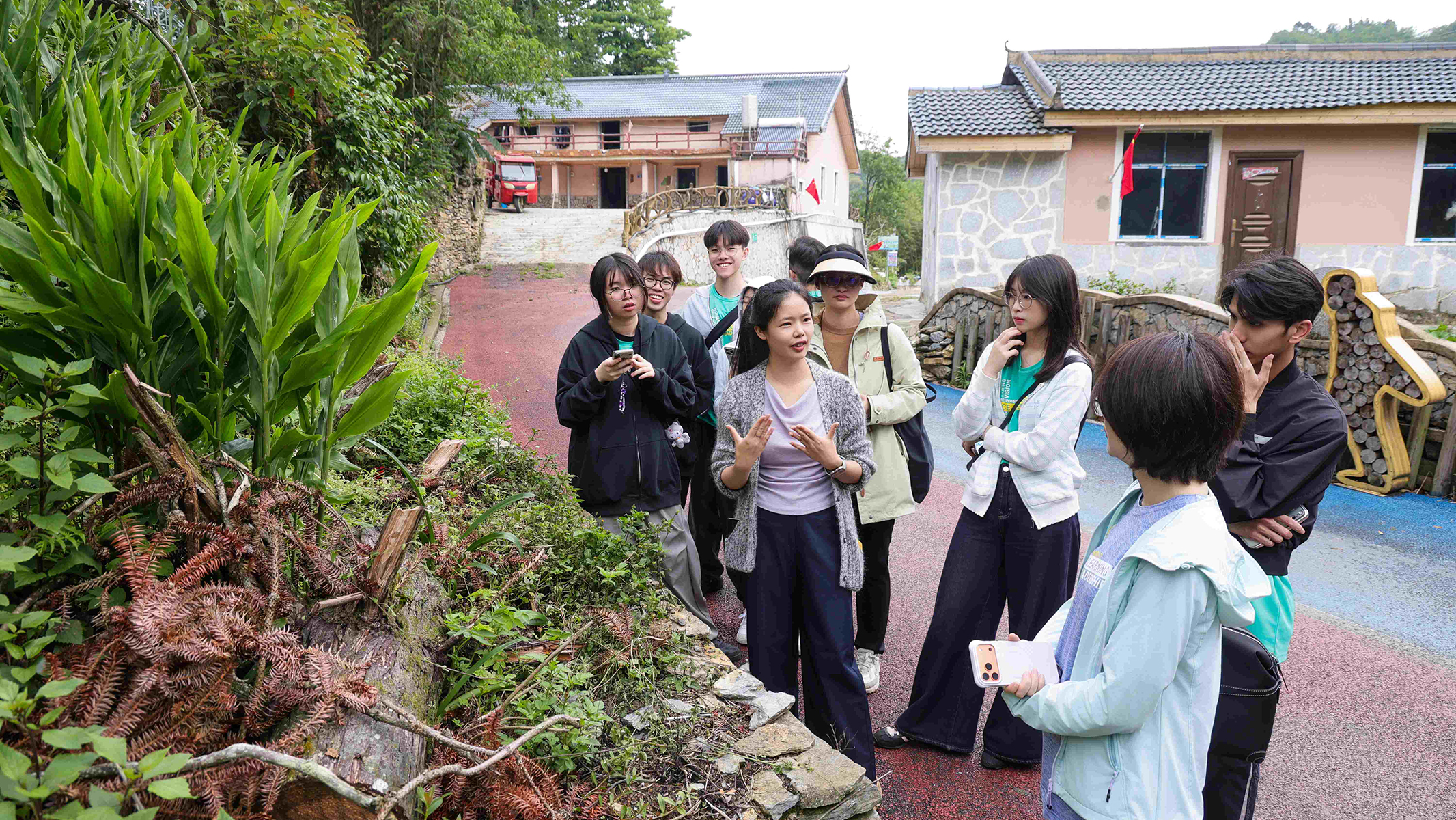
SHTM students used smart tools to support villagers in developing digital cultural tourism innovation solutions to transform cultural resources into development momentum.
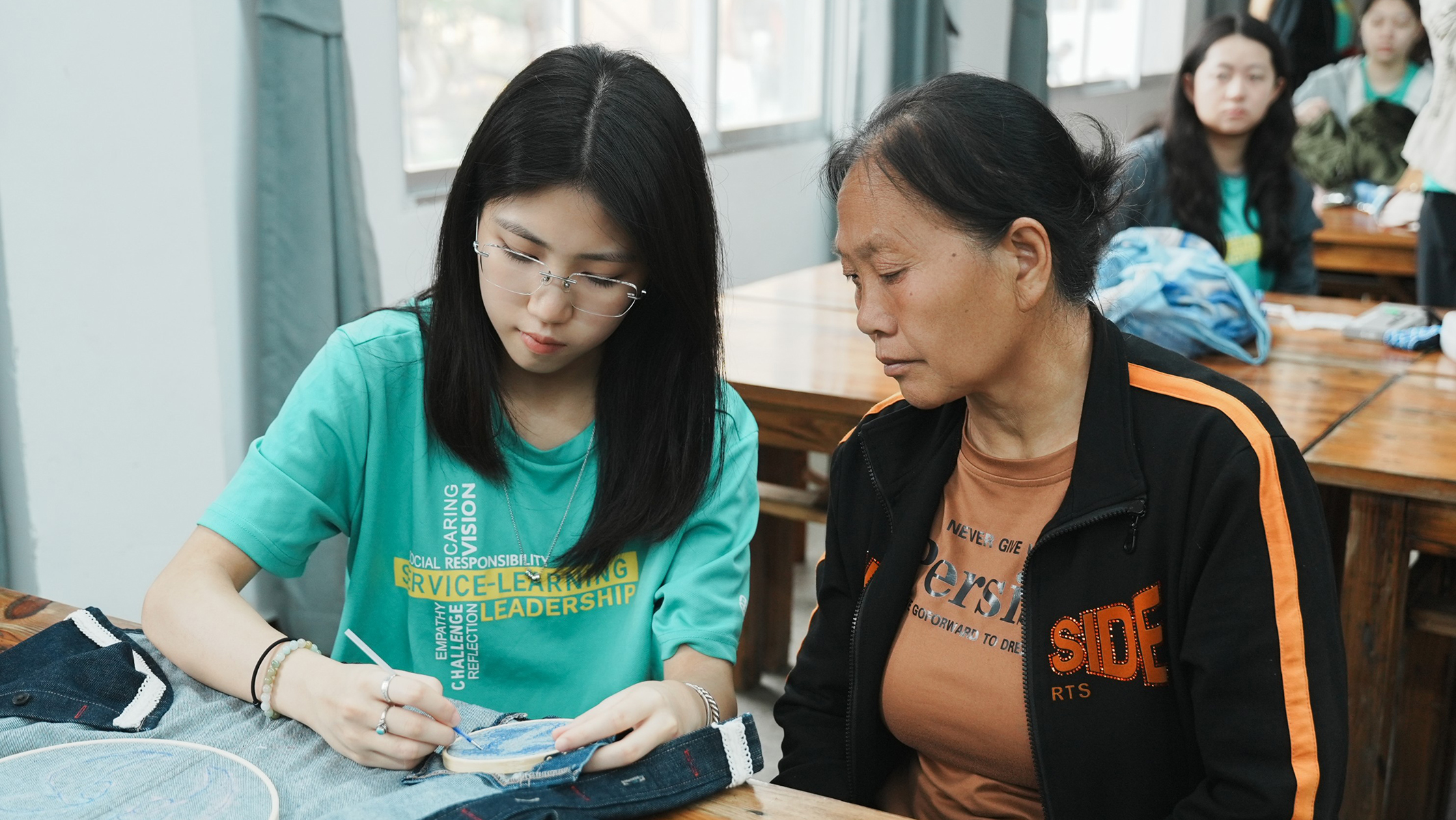
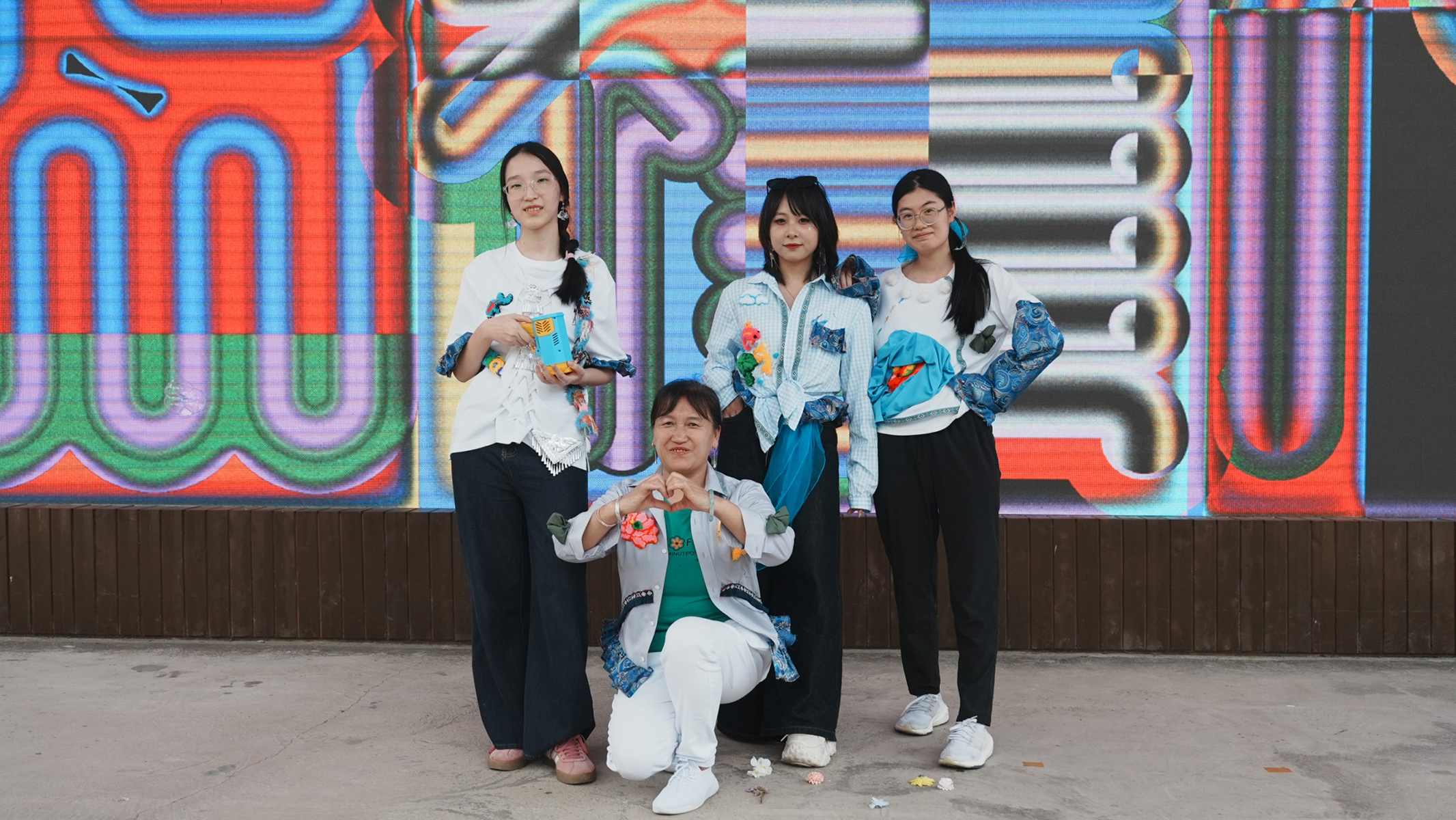
An SFT project saw students collaborate with embroidery artists to employ traditional Zhuang Embroidery techniques into vibrant, contemporary fashion design, promoting the inheritance of intangible cultural heritage.