
PolyU scholar honoured with prestigious Guanghua Engineering Science and Technology Award
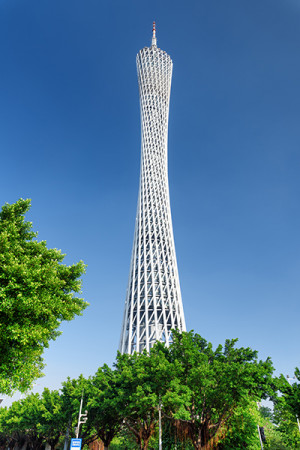
The 600-meter high Canton Tower is one of the prominent mega infrastructures that are actively monitored by SHM.
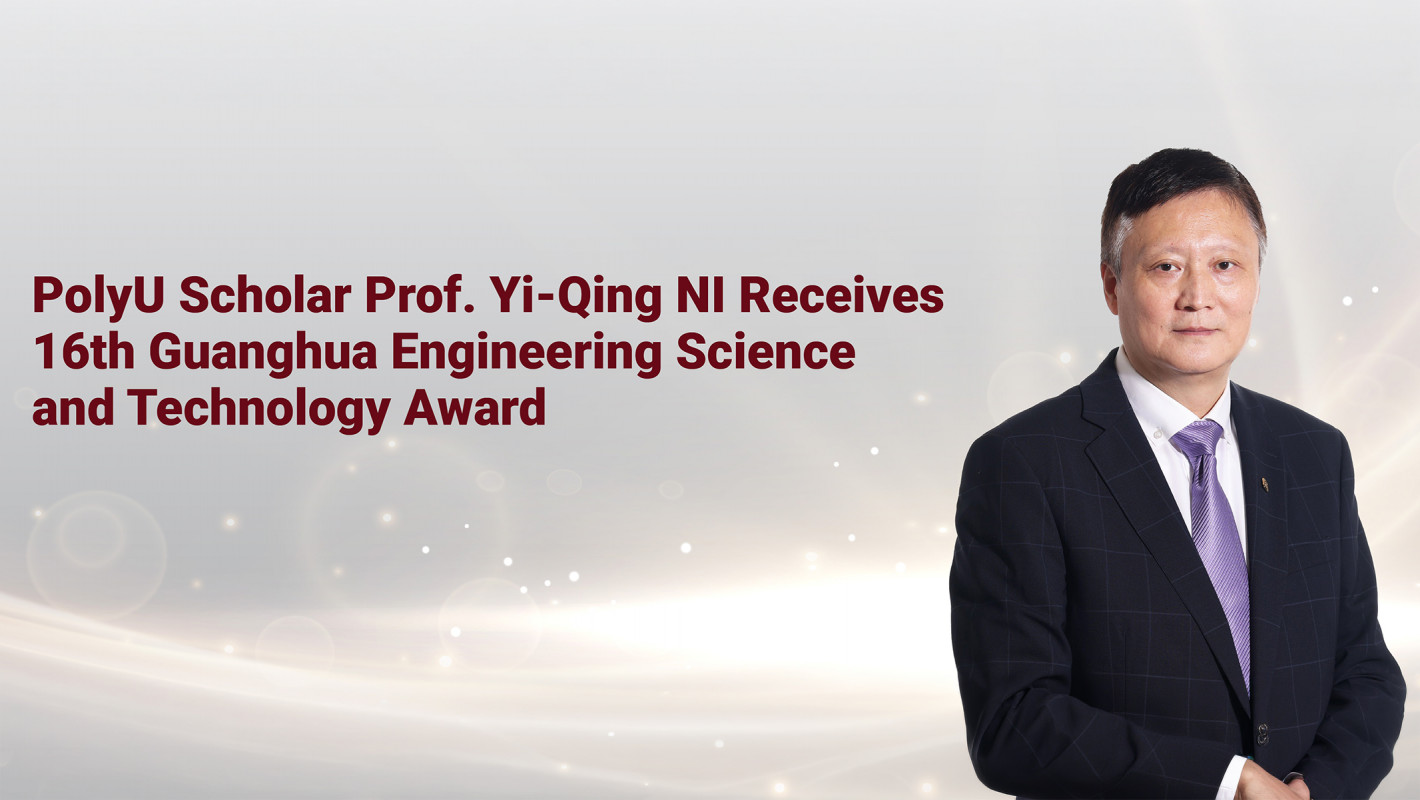
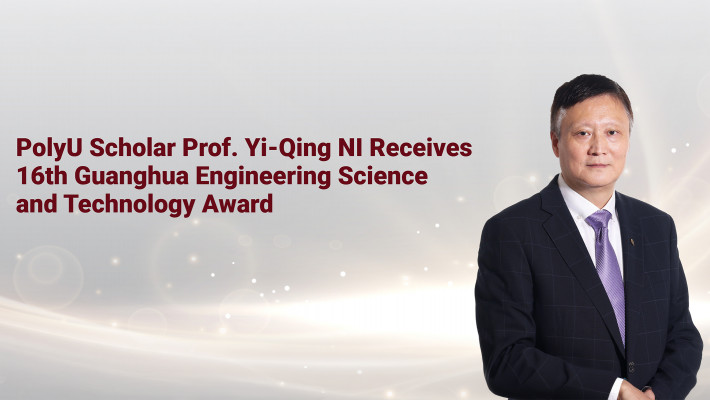
Professor Yi-Qing Ni, who is the Yim, Mak, Kwok & Chung Professor in Smart Structures and Chair Professor of Smart Structures and Rail Transit of the Department of Civil and Environmental Engineering, has been honoured with the 16th Guanghua Engineering Science and Technology Award, recognising his outstanding contributions to the field of Structural Health Monitoring (SHM) and underscoring his enduring impact on engineering innovation.
Administered by the Chinese Academy of Engineering, the Guanghua Engineering Science and Technology Award is among the highest accolades in China’s engineering and technology sector, recognising exceptional achievements in engineering science, technological advancement, and management. Professor Ni was included among this year’s 40 distinguished awardees, underscoring both the significance of his work and its far-reaching impact on infrastructure safety and resilience.
From research to public resilience
With more than three decades of research, Professor Ni has been instrumental in advancing SHM technologies. Professor Ni pioneered an integrated modular design approach for large-scale monitoring systems, alongside a life-cycle monitoring paradigm that has modernised infrastructure management. His innovations have been widely applied to major civil engineering structures, including the Tsing Ma Bridge and Canton Tower. His work on SHM has also enhanced safety, reliability and performance in particularly demanding environments, such as the Lanzhou-Xinjiang Railway.
Professor Ni said that he and his team have always upheld a spirit of continuous innovation and change, starting from real-world needs to advancing smart rail transit and structural safety monitoring technologies, and applying their research outcomes to major infrastructure projects in Hong Kong and in the country. His team's self-developed system also synchronises monitoring data in real time with the Hong Kong Observatory, turning advanced research into impactful tools that help safeguard daily travel and strengthen urban disaster response.
From infrastructure monitoring to public safety
In order to do so, Professor Ni and his team have developed a self-designed LiDAR monitoring system capable of covering altitudes from ground level to 1,000 metres, enabling the mapping of three-dimensional wind fields and the detection of high-altitude wind shear to strengthen flight safety and build a comprehensive typhoon monitoring network.
Looking ahead, Hong Kong and the Chinese Mainland are entering a new era of mega-scale infrastructure development, from the Northern Metropolis and coastal urban clusters to next-generation high-speed rail and maglev systems. As these ambitious projects take shape, Professor Ni’s team will continue to work with the Government and industry partners to provide long-term monitoring, daily maintenance support and real-time safety assessments throughout the project lifecycle, helping address safety challenges and strengthen public confidence across the region.