
Empowering innovators: PolyU International Future Challenge translates AI+ breakthroughs into real-world impact
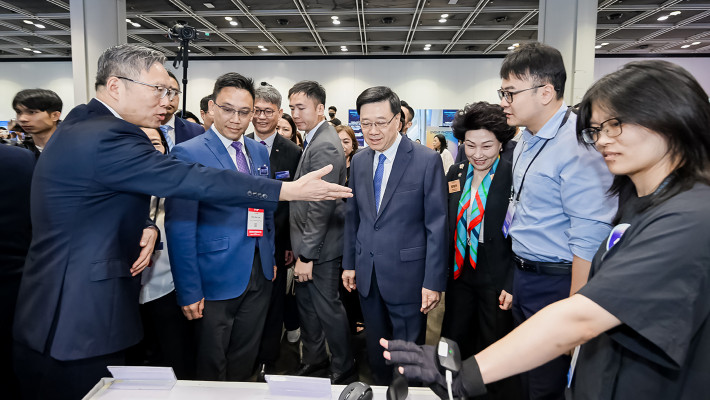
At The Hong Kong Polytechnic University (PolyU), the pursuit of research excellence goes beyond academic publications; it is deeply rooted in a mission to translate cutting-edge technologies into tangible solutions that serve society. Building on its mission as an innovative world-class university, the PolyU International Future Challenge 2026 (PolyU IFC) successfully concluded its Qianhai and Hong Kong regional finals in August, with four teams from each regional final advancing to the Grand Final. The competition embodies PolyU’s strategic commitment to empowering young innovators, bridging the gap between laboratory breakthroughs and industrial applications to create meaningful societal impact.
Strategically aligned with the Nation’s “15th Five-Year Plan” and the “Artificial Intelligence (AI)+” initiative, PolyU's IFC serves as a premier cross-border platform connecting global talent with regional industrial resources. This year’s expanded edition spans nine key regional hubs—including Shenzhen Qianhai, Hong Kong, Wuhan, Nanjing, Jinjiang, Hefei, Hangzhou, Wuxi, and Saudi Arabia—attracting over 1,400 global applications.
The Qianhai Regional Final, co-organised with the PolyU-Qianhai Disruptive Technology and Innovation Research Centre (QHRC), and the Hong Kong Regional Final, held alongside the Global Unicorn Summit, showcased brilliant minds competing across critical domains like life sciences, advanced manufacturing, and smart cities.
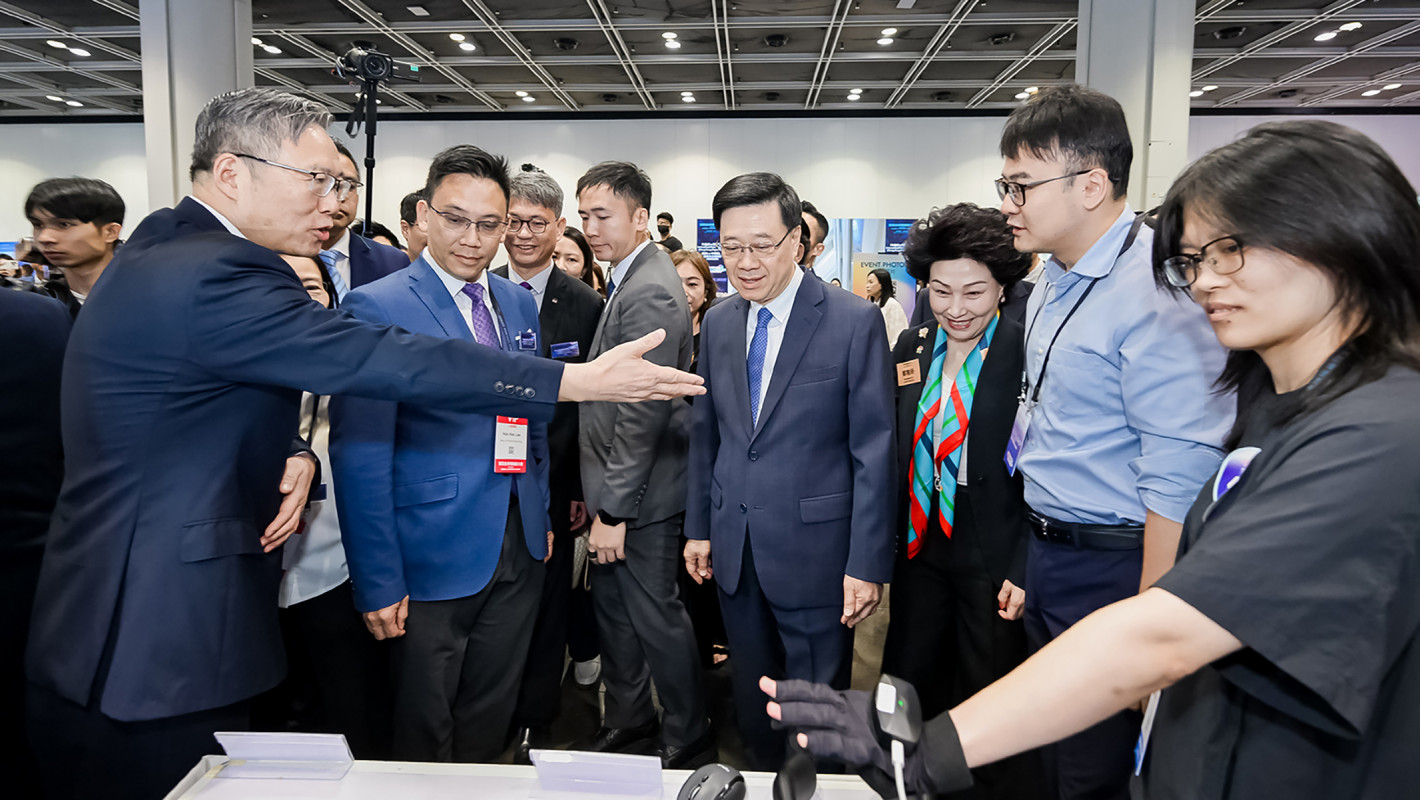
Rather than merely celebrating conceptual ideas, the events highlighted practical, market-ready innovations. Among the notable projects were Easenory Technology Limited’s textile PCB technology for flexible electronics, which received top honours in the Qianhai Regional Final, and CobotAI Limited’s embodied intelligence data collection and skill platform for industrial applications, winner of the BOCHK Diamond Cup at the Hong Kong Regional Final. Other award-winning innovations included a novel brain-computer interface (BCI) interaction technology based on multidimensional sonomyography signals and low-cost triboelectric tactile sensors for robotics and AIoT applications. These projects illustrate how the PolyU IFC supports and nurtures solutions that address pressing industrial and healthcare needs.
Addressing the summit, PolyU President Professor Jin-Guang Teng delivered a keynote on how university research empowers industrial innovation, stressing that higher education must move towards a mission-driven, Fourth-Generation “Innovative University” model. Professor Zheng Zijian, PolyU Vice President (Knowledge Transfer), noted that PolyU leverages Hong Kong’s role as a “super-connector” to build cross-border platforms connecting the Nation, the Middle East, and beyond.
The University’s support extends far beyond hosting the competition; it actively supports the long-term commercialisation of these technologies. Regional winners gain comprehensive incubation support, access to the PolyVentures platform, which comprises over 900 active startups, and opportunities to establish a presence at PolyU’s Mainland Translational Research Institutes (MTRIs) and Qianhai incubator.
The advancing teams will compete in the Grand Final scheduled for January 2027 in Hong Kong. Through the Challenge and its incubation network, PolyU continues to support innovators in translating research into impactful applications that benefit industry and society.
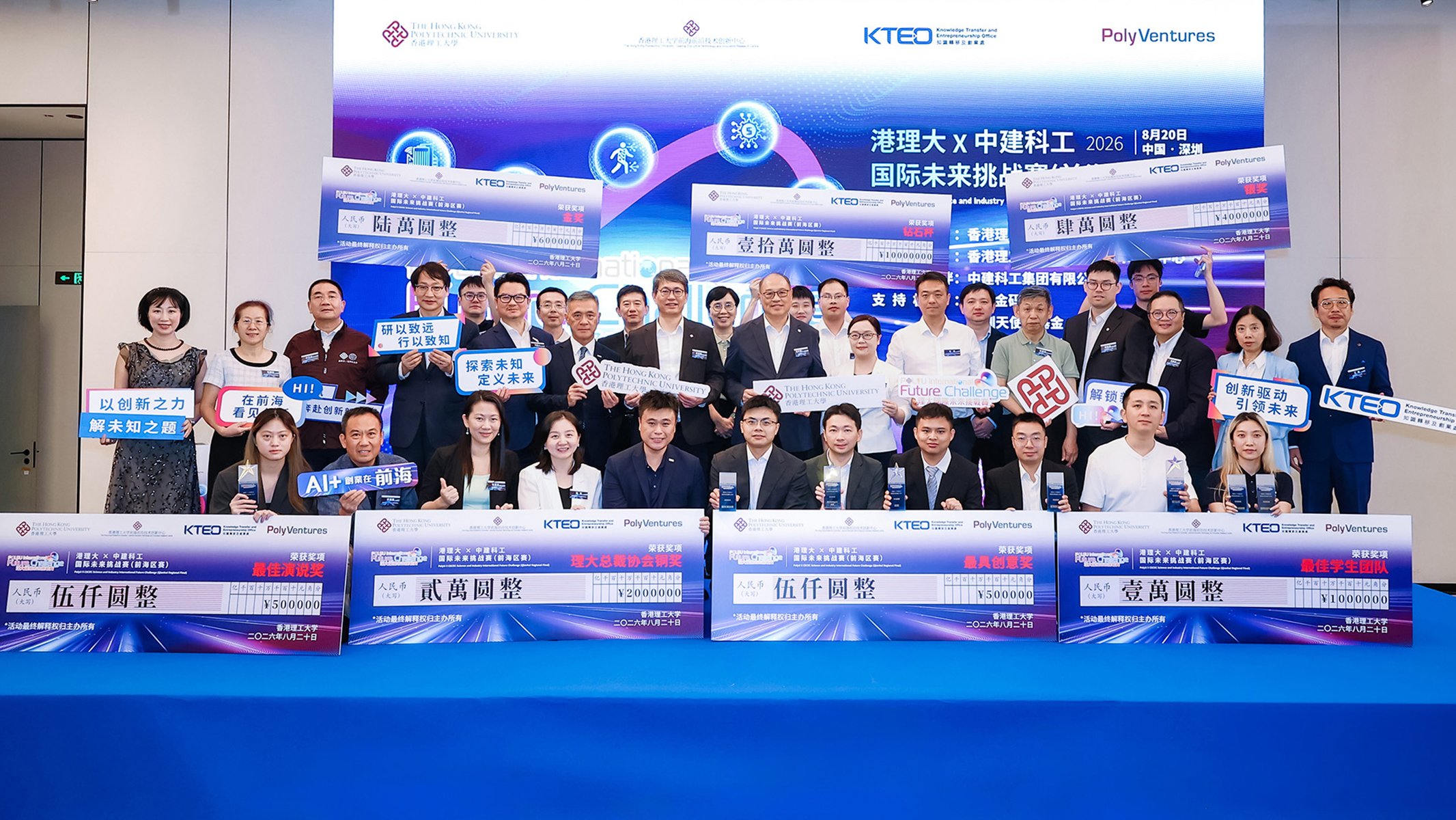
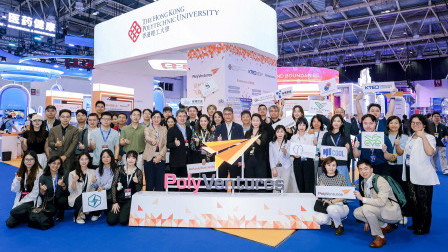
Winning teams of the PolyU x CSCEC Science and Industry International Future Challenge (Qianhai Regional Final) pose for a group photo with the award presenters.
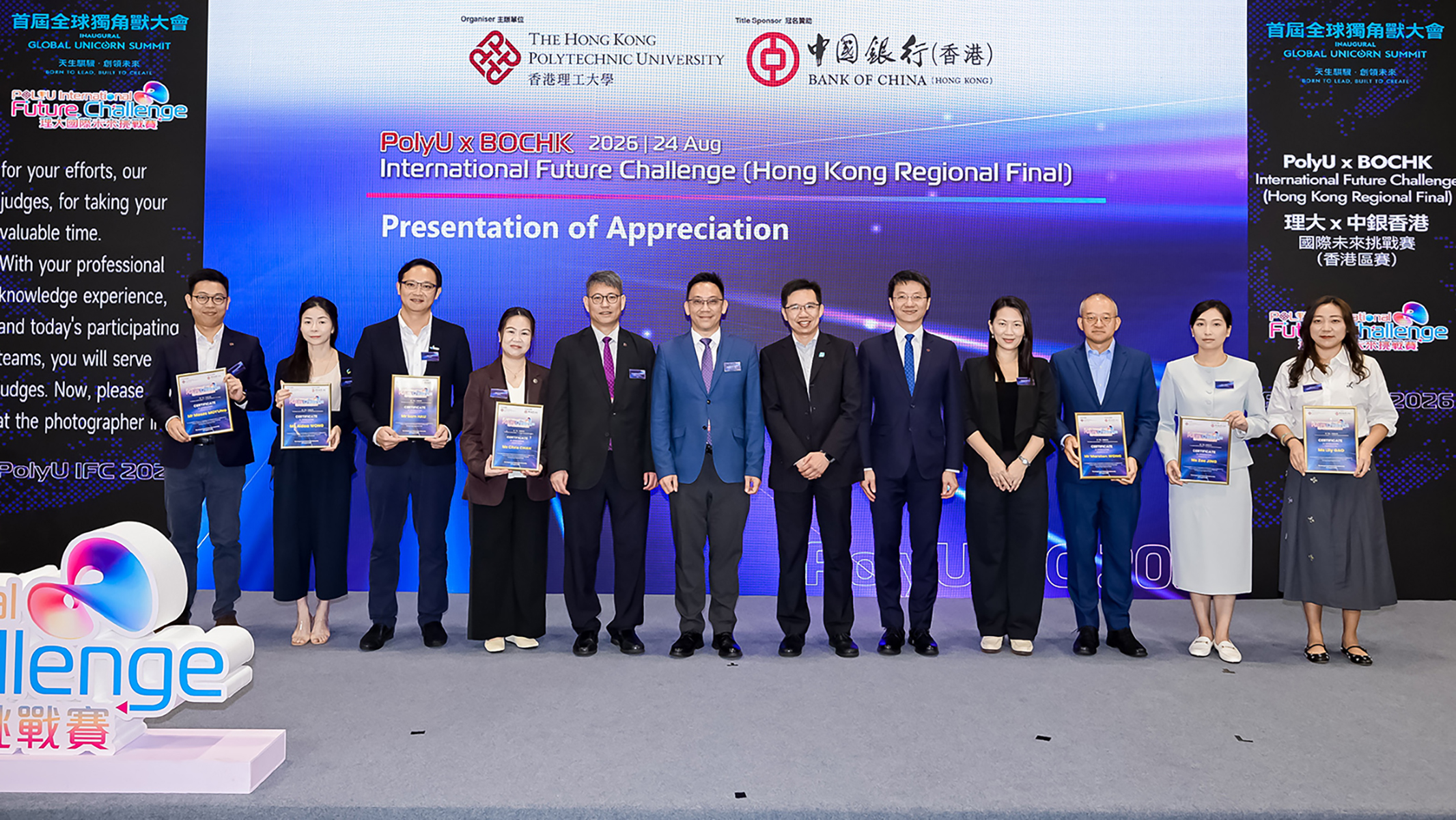
PolyU and BOCHK representatives pose with members of the judging panel at the Hong Kong Regional Final.