

Comprehensive movement and physical fitness health assessments for children and adolescents aged 3–18 years.
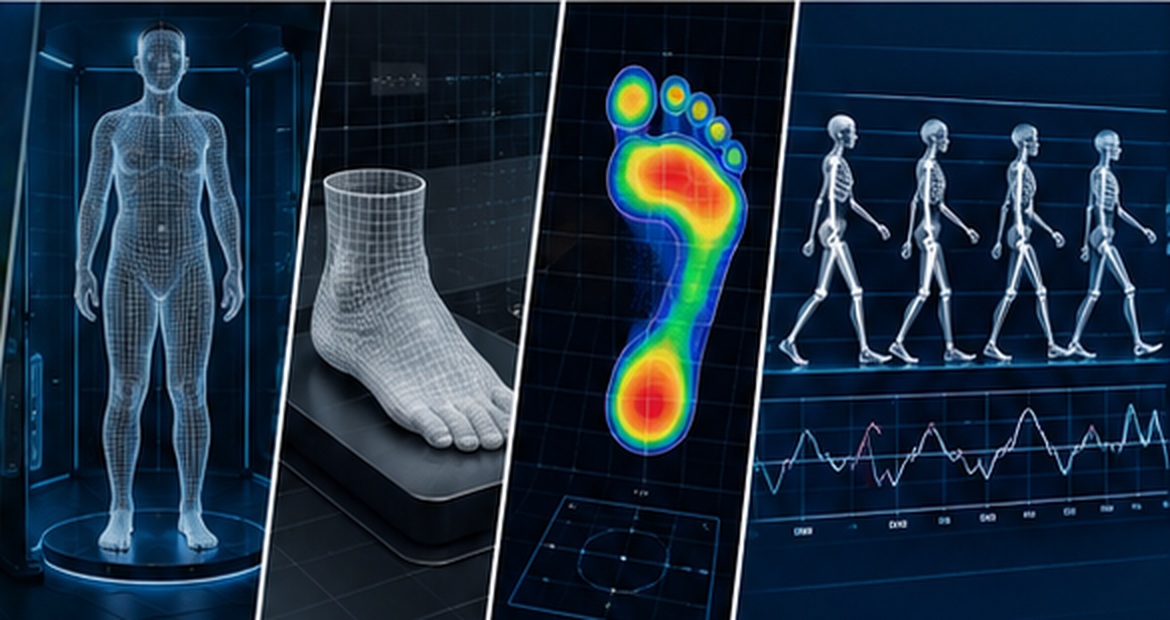
Our project uses non-invasive, multidimensional assessments to characterize growth, body morphology, foot structure, plantar loading, and gait in children and adolescents. The integrated data support growth monitoring, individualized profiling, and future risk identification.
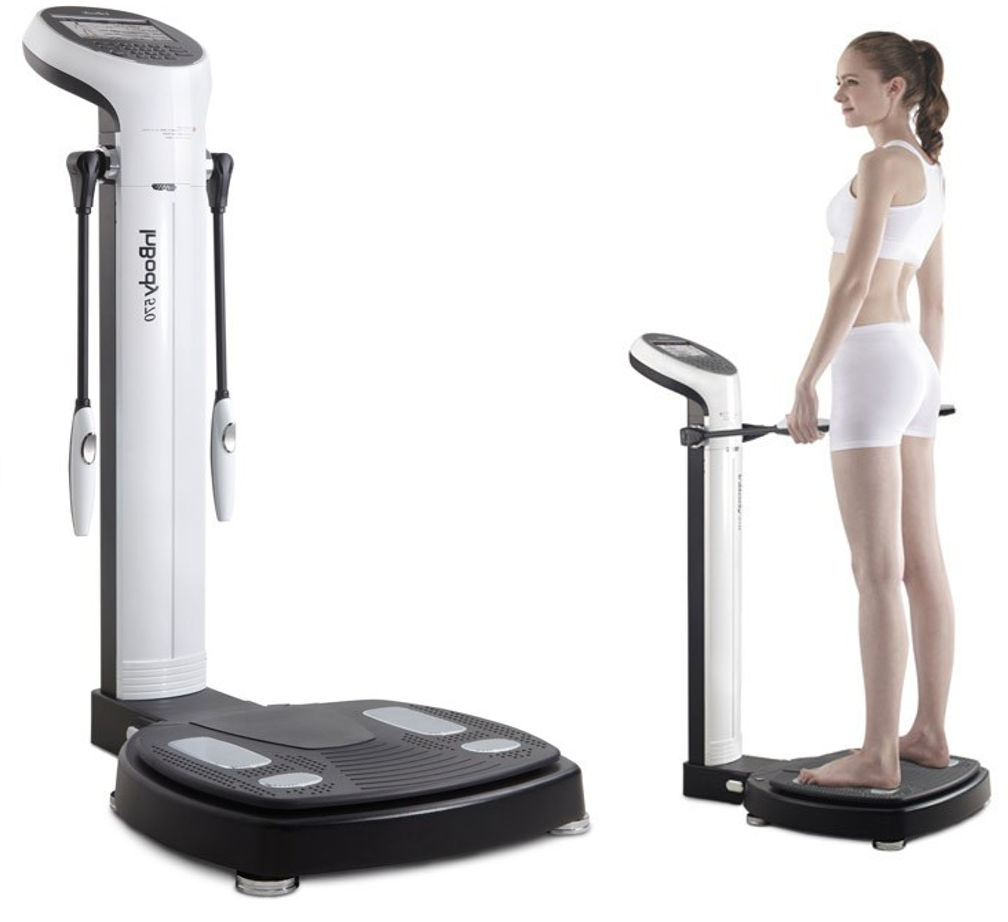
We assess overall body composition using standardized measurements and body composition technology. This provides information on size, weight status, fat mass and lean mass, which are useful for understanding growth and physical fitness.
These measures can be tracked over time to characterize development across childhood and adolescence.
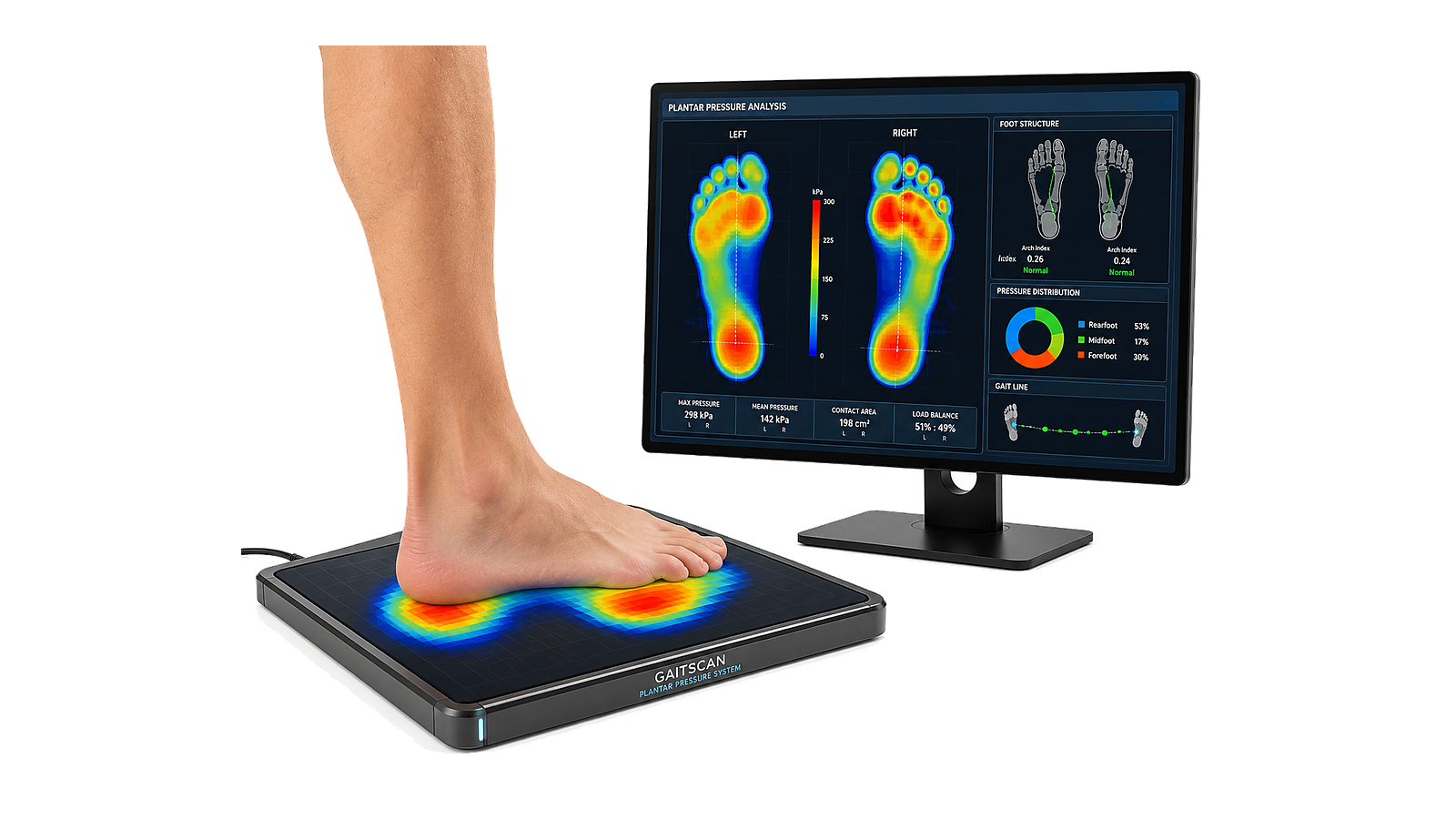
We measure plantar pressure during standing and movement to understand how load is distributed across the foot. This provides information about balance, loading patterns and high-pressure regions.
These data complement foot-shape and gait findings when describing lower-limb movement health.
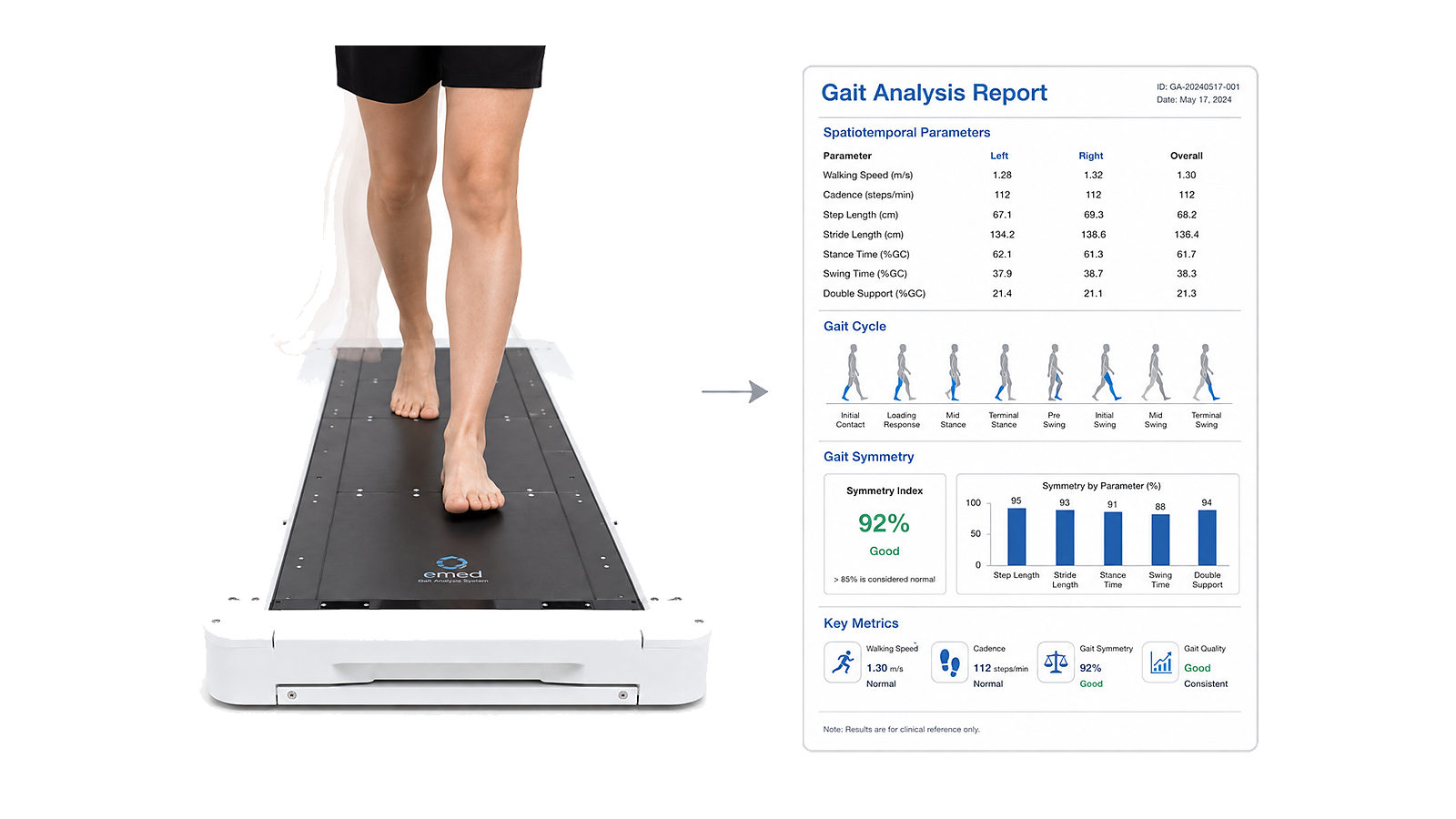
We analyze walking patterns using movement measurement systems to evaluate gait mechanics, spatiotemporal characteristics and symmetry.
These insights help characterize movement development and can be integrated with body, foot and plantar-pressure data.
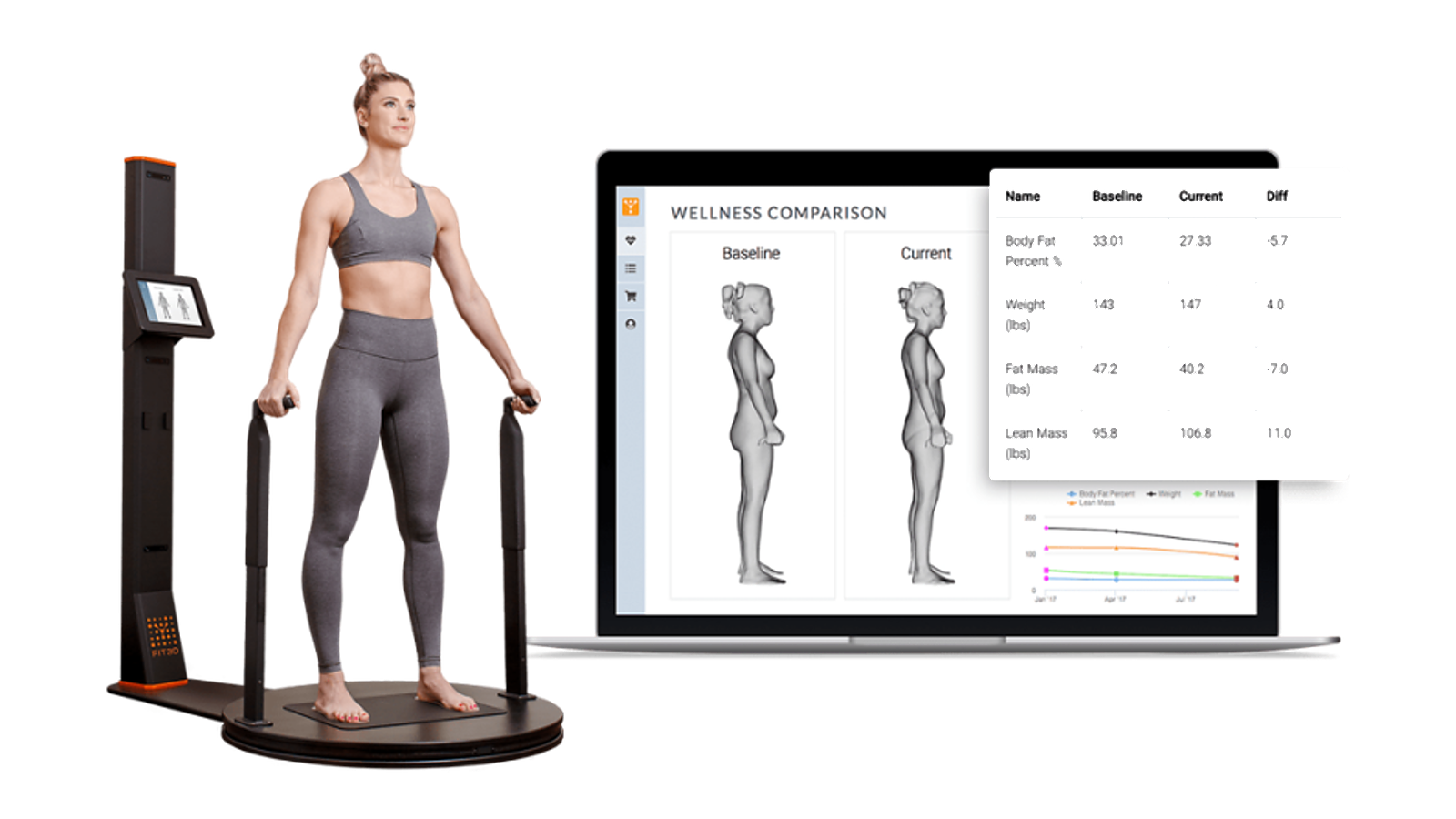
We capture full-body 3D scans to evaluate morphology, posture, body alignment and symmetry. These data help characterize growth-related changes in body shape.
Repeated measurements can support longitudinal monitoring of physical development and posture-related characteristics.
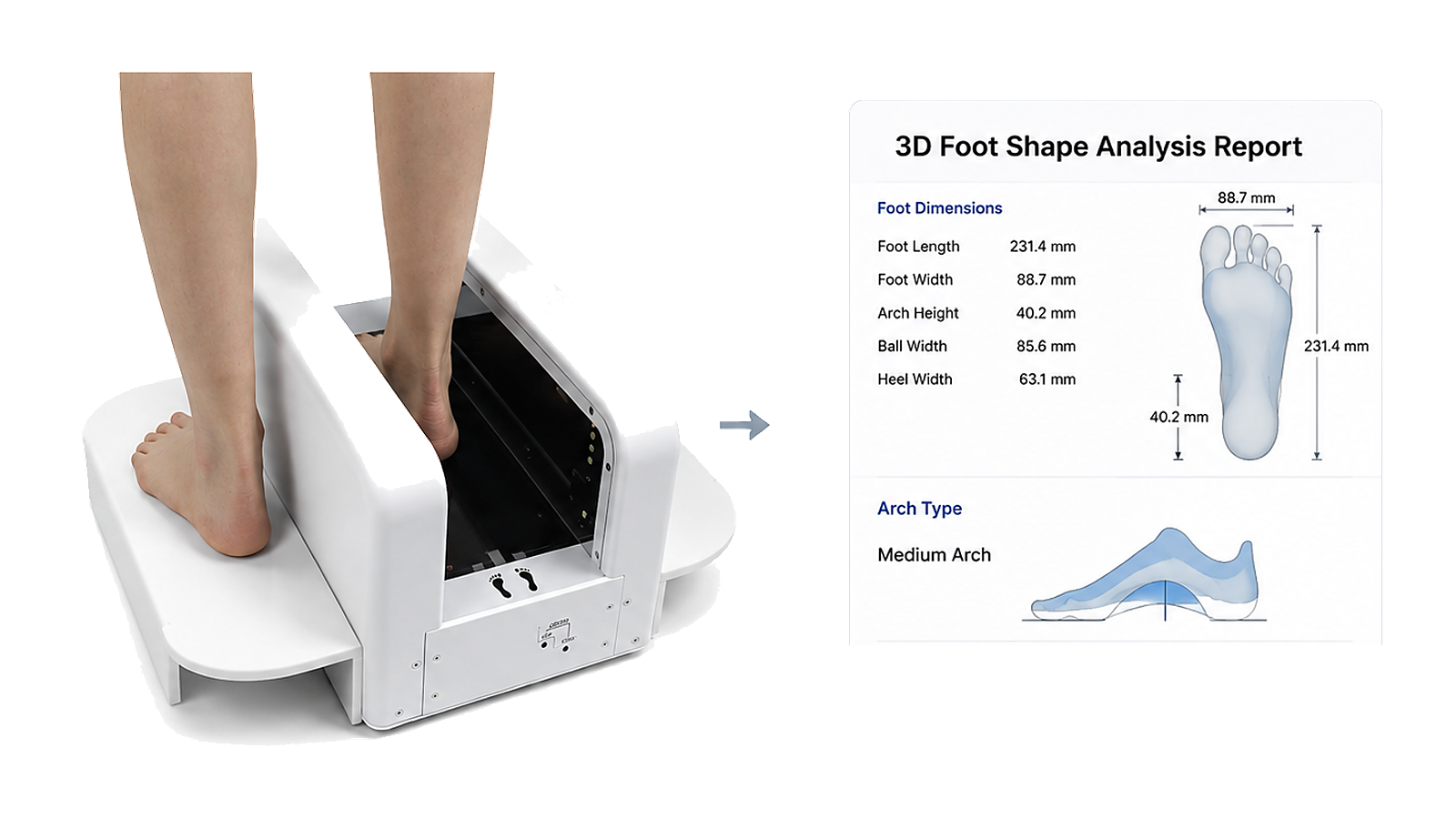
We assess foot structure using 3D foot scanning to capture detailed geometry and alignment. These measurements support characterization of foot dimensions, arch morphology and growth-related structural changes.
Left-right asymmetry can also be quantified where appropriate.